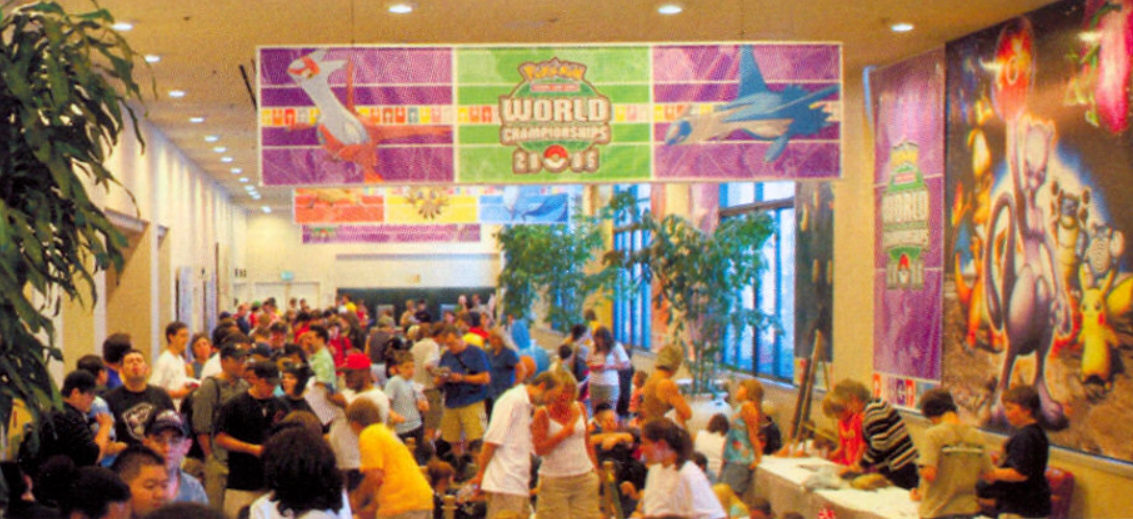


The Pokémon Trading Card Game 2005 World Championships was held at the Town and Country Resort and Convention Center in San Diego, California in the United States from August 19 to 21, 2005. This would be the second Worlds hosted by The Pokemon Company International’s Pokemon Organized Play program.
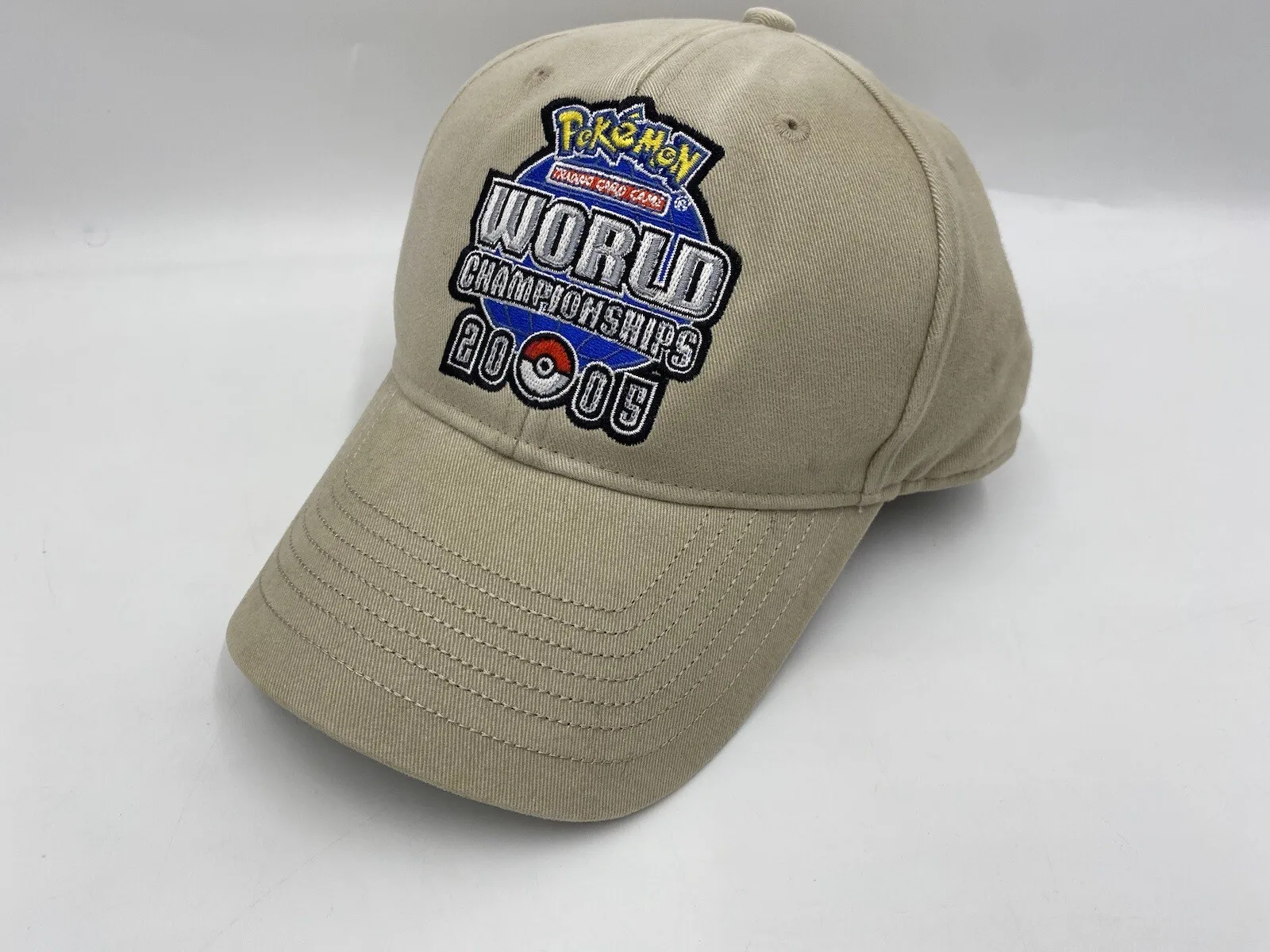
2005’s event would be the first year to feature event branding that would be utilized for several years to come. It did away with the previous year‘s oval logo and replaced it with a globe-inspired one to symbolize the international championship.
Format
Similar to the 2004 World Championships, the 2005 event would only support the Pokemon TCG. The Pokemon video games would not be introduced to the world championship tournaments until 2009.
Legal TCG sets
The 2005 World Championships was held in the Modified Format. The following Pokemon TCG sets were legal:
- EX Ruby & Sapphire (ADV era’s Expansion Pack in Japan)
- EX Sandstorm (Miracle Desert in Japan)
- EX Dragon (Rulers of the Heavens in Japan)
- EX Team Magma vs Team Aqua (Magma VS Aqua: Two Ambitions in Japan)
- EX Hidden Legends (Undone Seal in Japan)
- EX FireRed & LeafGreen (Flight of Legends in Japan)
- EX Team Rocket Returns (Rocket Gang Strikes Back in Japan)
- EX Deoxys (Clash of the Blue Sky in Japan)
- EX Emerald (English-only set composed of the Japanese Gift Box Emerald, Quick Construction Packs, Master Kit, and several PCG-P promo cards)
- EX Trainer Kit (All reprints, except Latios & Latias which were PCG-P promo cards in Japan)
- EX Trainer Kit 2 (All reprints, except Plusle & Minun which were preconstructed deck exclusives in Japan)
- POP Series 1 (English promotional set composed of PCG-P promo cards)
- Nintendo Black Star Promos #001 – 027
Metagame
Deck archetypes at the 2005 World Championships reflected the evolving EX Series metagame, with a mix of heavy-hitting evolution decks, speed-oriented strategies, and tactical lock/control decks.
Queendom
One of the most successful archetypes was “Queendom”, the Nidoqueen/Pidgeot deck used by Jeremy Maron and Pablo Meza in Masters (named for its focus on the Pokémon Nidoqueen). Queendom built a quick setup using Pidgeot’s Quick Search ability to fetch key cards, then powered up Nidoqueen to deal high damage; this deck’s consistency and lack of obvious weaknesses helped it take 1st and 3rd in Masters.
Medicham
Another defining deck of the tournament was Medicham ex (sometimes called “PowCham” by players), which centered on Medicham ex from EX Emerald. Medicham ex could shut off non-ex Poké-Powers when active (its Wise Aura Poké-Body), crippling decks that relied on support Pokémon like Pidgeot. Both the Junior and Senior World Champions (Curran Hill and Stuart Benson) won using Medicham ex-based decks, underlining the archetype’s power across age groups. In Masters, Medicham ex was also a presence – for example, a well-known U.S. player Jason Klaczynski piloted a Medicham ex deck to a Top-10 finish.
PowTar
Several “Dark” Pokémon decks were prominent as well. Dark Tyranitar variants had a strong showing in Masters and Seniors, including Ross Cawthon’s finalist deck and Takashi Yoneda’s Senior runner-up deck. These decks often paired Dark Tyranitar (from EX Team Rocket Returns) with supporting Pokémon such as Electrode ex (for energy acceleration) or Magcargo/Pidgeot (for draw/search stability).
| Pokemon | Trainers | Energy |
|---|---|---|
3 Copycat | ||
3 Larvitar | ||
2 Voltorb | ||
1 Pidgeot | ||
1 Pidgey | ||
1 Magcargo | ||
1 Slugma | ||
1 Magmar | ||
1 Jirachi | ||
Rock Lock
A related strategy known as “Rock-Lock” was also popular – Rock-Lock decks used Dark Tyranitar alongside Dark Ampharos and the card Ancient Technical Machine [Rock] to spread damage and punish opponents for evolving their Pokémon. Rock-Lock was piloted by multiple top contenders, including Jaime Guerrero (5th in Masters) and Jeffrey Vernola (Top 8 in Seniors), proving effective at controlling the board by incrementally adding damage to enemy Pokémon as they evolved.
ZRE
On the other end of the spectrum, speed and combo decks made a significant impact. The most famous of these was “ZRE”, named after its key components (Zapdos ex, Rayquaza ex, and Electrode ex). ZRE was a hyper-aggressive deck that aimed to deliver quick knockouts using Zapdos ex (whose Poké-Power allowed it to jump into play and attack immediately) and Rayquaza ex (a big damage dealer), fueled by Electrode ex which could convert itself into energy attachments. ZRE was played by several competitors in all divisions – for instance, Senior fourth-place finisher Andrew Knaack ran a ZRE list, and it also appeared in Masters (Yuki Fujimori, 9th place).
Ludicargo
Another noteworthy archetype was Ludicargo, a deck built around Ludicolo (for efficient attacking and self-healing) combined with Magcargo (whose Smooth Over ability ensures drawing needed cards). Ludicargo’s reliable draw engine and balanced offense made it a favorite of players like former champion Tsuguyoshi Yamato (Masters Top 8) and was also used by Senior semifinalist Daniel Richard.
Other Decks
Additionally, some players found success with decks like Dark Steelix (built on the tanky Dark Steelix card and special energy manipulation). This was used by Masters Top 8 competitor Eric Permenter and others. Another deck, Dragtrode (a portmanteau of Dragonite and Dark Electrode), was a holdover from 2004 featuring Dark Dragonite/Dark Electrode synergy; a Dragtrode deck carried Jefre Robert of Belgium to a fourth-place finish in Juniors.
Overall, the 2005 World Championships metagame was diverse, but it revolved around a core group of decks: Nidoqueen/Queendom, Medicham ex, Dark Tyranitar variants (including Rock-Lock), Ludicargo, ZRE, and a few others, which collectively dominated the top tables.
Qualification
Similar to previous years, there were multiple ways for players to get an invite to Worlds. This varied by country, but overall Japan had its own qualification paths and the rest of the world had their own combined path to Worlds.
In total, approximately 434 players attended the 2005 World Championships across all divisions
Japan
Japanese players had multiple chances to gain an invite to Worlds.
Ratings-based Invites
Japan would also send top-ranked players registered in the Pokemon Players Club in all age divisions to Worlds 2005 based on their rating system.
Battle Road Spring 2005
The top 3 winners of the 9 regional Battle Road Spring 2005 tournaments in the junior (equivalent to 10 and Under) and senior (equivalent to 11 – 14) age divisions would receive an invite to Worlds. Masters (equivalent to 15+) players didn’t get an invite from the spring tournament.
Previous Champion’s League winners
The 2004 Junior Grand Champion, Senior Grand Champion, and Grand Master of the Champion’s League (Japan’s National Championships) each received an invite.
International (outside Japan)
Non-Japanese players had two main ways to get a Worlds invite: either by winning a major premier events, or by having the highest ranking within their age group.
Previous Worlds winners
1st- 3rd place finishers from the 2004 Pokemon World Championships were guaranteed a Worlds invite.
Ratings-based Invites
Since the format for this year’s Pokémon Trading Card Game World Championships is a Modified only event, Pokémon Organized Play decided the invites would be solely based upon the player’s Modified ratings for the top 16 in each age group.
Top 16 Modified ranked players in each age group (who had not already qualified)
| 10 & Under | 11 to 14 | 15 Plus | |||
| Name | Country | Name | Country | Name | Country |
| Arnoud Van Bemmelen | Netherlands | Jin Wang | United States | Tom Dolezal | United States |
| Sammy Bentaumya | Netherlands | Brent Wright | United States | Wesley Spurlock | United States |
| Samuel Dirkse | Netherlands | Shane Herridge | Great Britain | Choong Kin Hong | Malaysia |
| Brandon Lee Drog | United States | Arco Oliemans | Netherlands | Brad Allred | United States |
| Kevin Bruine de Bruin | Netherlands | James Gettys | United States | John Silvestro | United States |
| Jefre Robert | Belgium | Chris Pak | United States | Lia van Bemmelen | Netherlands |
| Jaci Jansma | Netherlands | Sebastian Crema | Canada | Jared Cisneros | United States |
| Marten Schoele | Germany | Francisco Benavente | Mexico | Roy (Jr) Roberson | United States |
| joilpmcv | United States | Steven Bayes | United States | Devin Jackson | United States |
| Nicholas Fotheringham | Great Britain | Francisco Gutiérrez | Mexico | John Kettler | United States |
| Tristan Wagner | Netherlands | Ross Cawthon | United States | Steffen Sandberg From | Denmark |
| Linnea Vestre | Norway | Christopher Roberts | United States | Matt Gillespie | United States |
| Derk Kooi | Netherlands | Robin Gimbel | Germany | Jim Lambkee | United States |
| Nathan Crawford | United States | Josh Bangle | United States | Shawn Gettys | United States |
| Jordy van den Bosch | Netherlands | Ivan Lugo | United States | Kenneth Wong | United States |
| Nava Samuele | Italy | Molly Heady | Netherlands | Nick Caporelli | United States |
Regional Championships
Regional Championships were open tournaments hosted across North America. European and Middle East events in Israel were also held, but records of those are not confirmed.
- Northwest – Sat, 28 May, Portland, OR
- Northern California – Sat, 28 May, Cupertino, CA
- Southern California – Sat, 14 May, Camp Pendleton, CA
- Mountain West – Sat, 21 May, Salt Lake City, UT
- Midwest – Sat, 14 May, Madison, WI
- Southern Plains – Sat, 21 May, Arlington, TX
- Mississippi Valley – Sat, 28 May, Memphis, TN
- Great Lakes – Sat, 14 May, Toledo, OH
- New England – Sun, 29 May, Milford, MA
- Northeast – Sat, 14 May, Meadowlands, NJ
- Mid-Atlantic – Sat, 4 June, Philadelphia, PA
- Eastern – Sat, 14 May, Greensboro, NC
- Southeast – Sat, 28 May, Kissimmee, FL
The top 2 players in each age group from each Regional would get an invite to Worlds. With 13 total events and 3 age groups, 78 American players were invited this way.
Gym Challenges
Gym Challenges would return from the previous year’s tournament circuit as a way for local players to earn a worlds invite. Similar to Regionals, the European events don’t have a clear record that was recorded, but they did definitely occur as many players from Europe were invited to Worlds.
North American Gym Challenges
- St. Albert, AB, Canada: Mission: Fun & Games on June 26, 2005
- Oshawa, ON, Canada: Skyfox Games on June 18, 2005
- Mexico DF, DF, Mexico: Centro de Convenciones Tlatelolco on June 18, 2005
- Monterrey, NL, Mexico: Holiday Inn Parque Fundidora on June 19, 2005
- Mesa, AZ: Holiday Inn Hotel & Suites on June 12, 2005
- Irvine, CA: Atrium Hotel on June 12, 2005
- Cupertino, CA: Legends Gaming/Valco Mall on June 25, 2005
- San Diego, CA: SDSU, Aztec Center on June 25, 2005
- Colorado Springs, CO: Holiday Inn Airport on June 18, 2005
- Wheat Ridge, CO: Vahalla’s Game Center on June 25, 2005
- Claymont, DE: Rogue’s Den on June 18, 2005
- Tampa, FL: Baseball Card Clubhouse on June 19, 2005
- Coral Springs, FL: Brads Sports Cards on June 25, 2005
- Kissimmee, FL: Ramada Plaza Hotel on June 11, 2005
- Newnan, GA: Fire Mountain Restaurant on June 25, 2005
- Ames, IA: Gateway Center on June 18, 2005
- Boise, ID: Magic Dragon Games on June 18, 2005
- Niles, IL: Pastimes on June 12, 2005
- Collinsville, IL: Dizzy Dugout on June 25, 2005
- Auburn, IN: LaQuinta Inn Auburn on June 25, 2005
- Overland Park, KS: Collectors Cache on June 12, 2005
- Lexington, KY: A+ Comics and Collectibles in June 18, 2005
- Covington, LA: Best Western Northpark Inn on June 25, 2005
- Milford, MA: TJ Collectibles on June 12, 2005
- Rockville, MD: Dream Wizards on June 26, 2005
- Presque Isle, ME: Eagle Hill on June 11, 2005
- Jackson, MI: Holiday Inn Harvest Room on June 11, 2005
- Brooklyn Park, MN: Outpost 2000 & Beyond on June 12, 2005
- Sedalia, MO: ABC Advertising on June 11, 2005
- St. Louis, MO: The Gathering Ground on June 26, 2005
- Jackson, MS: Books a Million on June 12, 2005
- New York, NY: Rockefeller Concourse on June 12, 2005
- High Point, NC: DJ’s Cards & Stuff on June 11, 2005
- Charlotte, NC: Underground Games on June 18, 2005
- Cedar Grove, NJ: Time Warp Comics & Games on June 25, 2005
- Henderson, NV: Galleria at Sunset on June 18, 2005
- Hilliard, OH: Hampton Inn on June 25, 2005
- Del City, OK: Drake’s Place on June 11, 2005
- Portland, OR: Parkrose Community Center on June 18, 2005
- Eugene, OR: Lane Community College on June 25, 2005
- Blue Bell, PA: Infinite Quests on June 11, 2005
- Toa Baja, Puerto Rico: FJ Games on June 11, 2005
- Anderson, SC: Planet Comics on June 26, 2005
- Memphis, TN: Triple Play on June 18, 2005
- Sevierville, TN: Sevierville Community Center on June 25, 2005
- Shenandoah-Woodlands, TX: Shenandoah Conference Center on June 25, 2005
- Richardson, TX: JJK Cards on June 18, 2005
- San Antonio, TX: Purple Cactus Comics on June 26, 2005
- Salt Lake City, UT: Trolley Square Mall on June 11, 2005
- Woodbridge, VA: Game Parlor on June 11, 2005
- Federal Way, WA: The Commons on June 11, 2005
- Brookfield, WI: Knights of Columbus Meeting Hall on June 25, 2005
- Manitowoc, WI: My Parents Basement on June 26, 2005
The 1st place player in each of the 3 age groups at each event would get an invite to Worlds
Stadium Challenge
The Stadium Challenge events from the previous year were almost completely phased out with the 2005 tournament season. A single Stadium Challenge was held in Salzburg, Austria on June 25, 2005.
This event was supposed to distribute a special Stadium Challenge stamped Deoxys to all attendees, but supplies quickly ran out and most players received a Regional Championship stamped one instead, making the Stadium Challenge stamped Deoxys one of the rarest promo cards from this era.
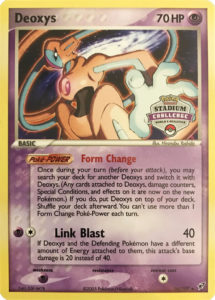
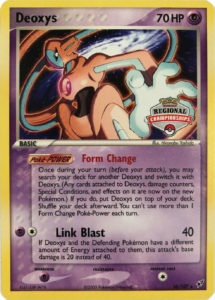
The 1st place player in each age group at this event got an invite to Worlds.
National Championships
Similar to previous years, national championships were held for each country to give players another chance at winning a Worlds invite and increasing their player rating.
The US National Championships were held at the Origins International Game Expo in Columbus, Ohio from July 2 – 3, 2005. For the US National Championships, the top 4 players in each age group won Worlds invites.
For non-US National Championships, only the top 2 players in each age group from each event received an invite to Worlds.
Non-US National Championships
- Buenos Aires, Argentina:
Last Chance Qualifier, DGL on June 9, 2005
Last Chance Qualifier, Dima Game on June 12, 2005
Argentina Nationals on June 19, 2005 - Salzburg, Austria:
Stadium Challenge Austria^, StieglKeller on June 19, 2005 - Kent Town, SA, Australia:
Australia Nationals, Battlezone Gaming & Entertainment on July 16, 2005 - Brussels, Belgium:
Belgian Championship, Bruparck on May 1, 2005 - Sao Paulo, Brazil:
Nacional de Pokemon, XII EIRPG on June 5, 2005 - Toronto, ON, Canada:
Canadian National Championships, Radisson Hotel Toronto East on July 9, 2005 - Luzern, Switzerland:
Swiss Nationals, NH Hotel on June 12, 2005 - Santiago, Chile:
Nacional Chile 2005, Fun Center Mall Plaza Vespucio on June 4, 2005 - Prague, Czech Republic:
Czech Nationals, Cerny Rytir on June 25, 2005 - Frankfurt, Germany:
German Nationals, Jahrhunderthalle on May 7, 2005 - Otterup, Denmark:
Nationals Denmark, Otterup Skole on May 28, 2005 - Guayaquil, Ecuador:
Campeonato Nacional de Pokemon, Riocentro Los Ceibos on July 3, 2005 - Helsinki, Finland:
Finnish Nationals 2005, Fantasiapelit on May 14, 2005 - Woburn Park, Bedfordshire, Great Britain:
UK & Ireland National Championship, The Safari Lodge on June 18, 2005 - Tel Aviv, Israel:
Israel Nationals, Toys R Us Tel Aviv on July 10, 2005 - Ravenna, Italy:
Italian National Final Event, Mirabilandia on July 3, 2005 - Sliema, Malta:
Malta National Pokemon Tournament, Salesians Youth Club on July 9, 2005 - Kuala Lumpur, Malaysia:
Malaysian Nationals 2005, Bangsar Shopping Complex on June 26, 2005 - Utrecht, Netherlands:
Open Dutch Nationals, Nationaal Denksportcentrum on July 3, 2005 - Oslo, Norway:
National Championships Norway 2005, Hotel Opera on April 30, 2005 - Parnell, Auckland, New Zealand:
New Zealand Nationals 2005, Parnell Community Center on July 30, 2005 - Lisboa, Portugal:
Portugal Nationals, Arena Lisboa on July 9, 2005 - Goteburg, Sweden:
National Championships Sweden, Barken Viking on May 29, 2005 - Singapore:
Singapore National Championships, Comics Mart on May 29, 2005 - Ljubljana, Slovenia:
Slovenia National Championship, Dijaski dom Vic on May 7, 2005
Last Chance Qualifier
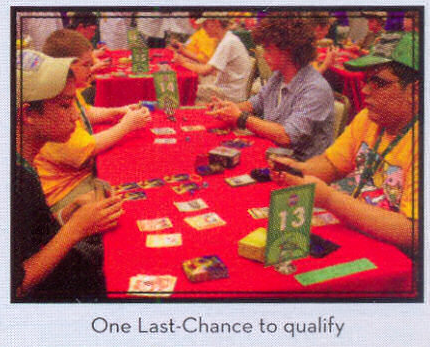
On August 19, a Last Chance Qualifier (LCQ) was held at the venue, allowing additional players to earn a spot in the World Championships by winning through a single-elimination qualifier.
Tournament Structure
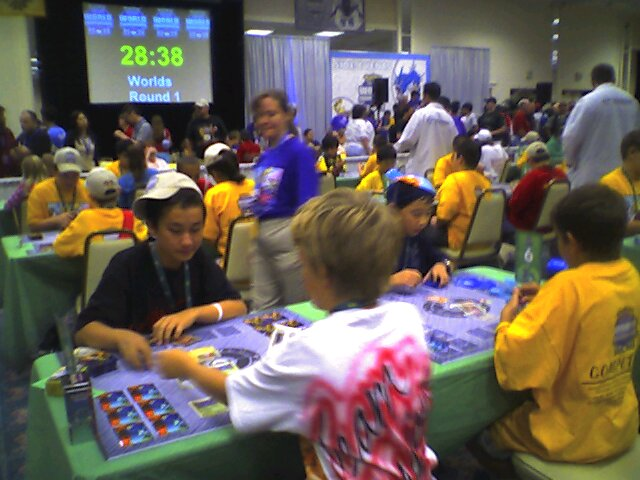
The 2005 World Championships followed a similar structure to its predecessor, with competition split into three age divisions: Junior, Senior, and Masters.
- Juniors comprised players ages 10 and under
- Seniors were 11 to 14 years old
- Masters included those 15 and older.
Each division ran its own separate tournament bracket, ensuring players competed against others in their age group. The main event took place over three days on August 20–21, and featured the pre-qualified players (joined by any LCQ winners) in each division battling through Swiss rounds and a top cut elimination bracket to determine the World Champions.
Each match was played as best-of-three games. All games were one-on-one duels, and the tournament progressed from preliminary rounds to quarterfinals, semifinals, and finals in each division.
Participation Gifts & Merchandise
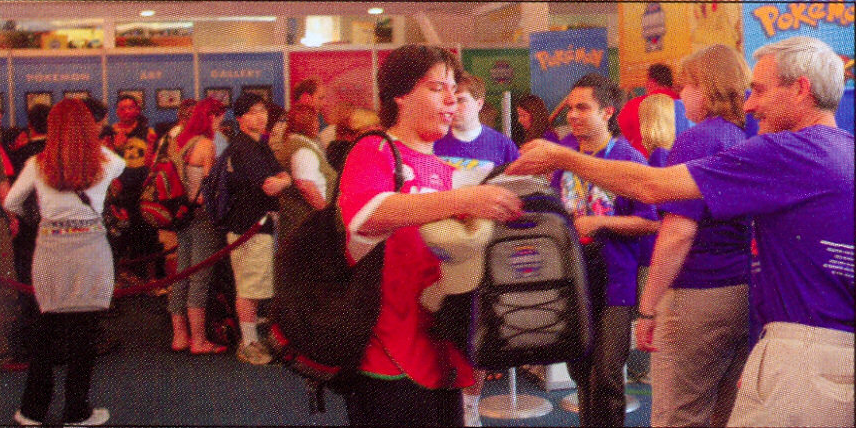
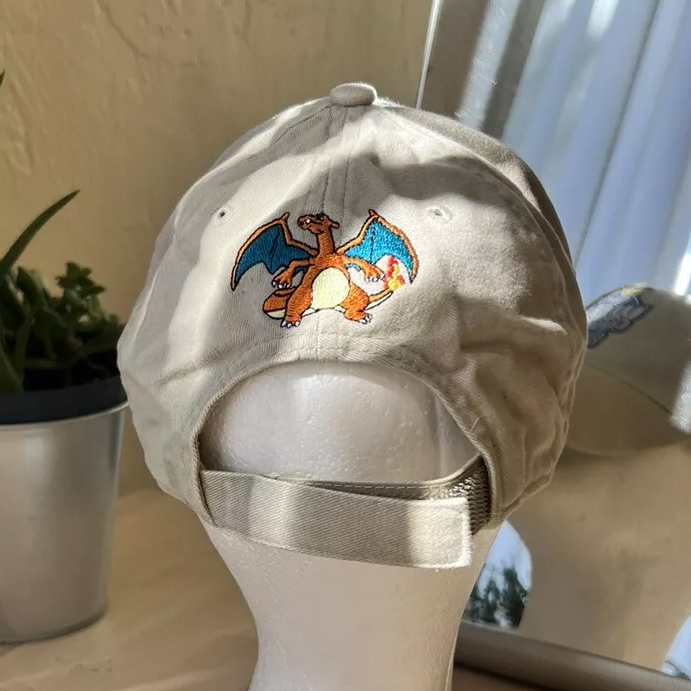
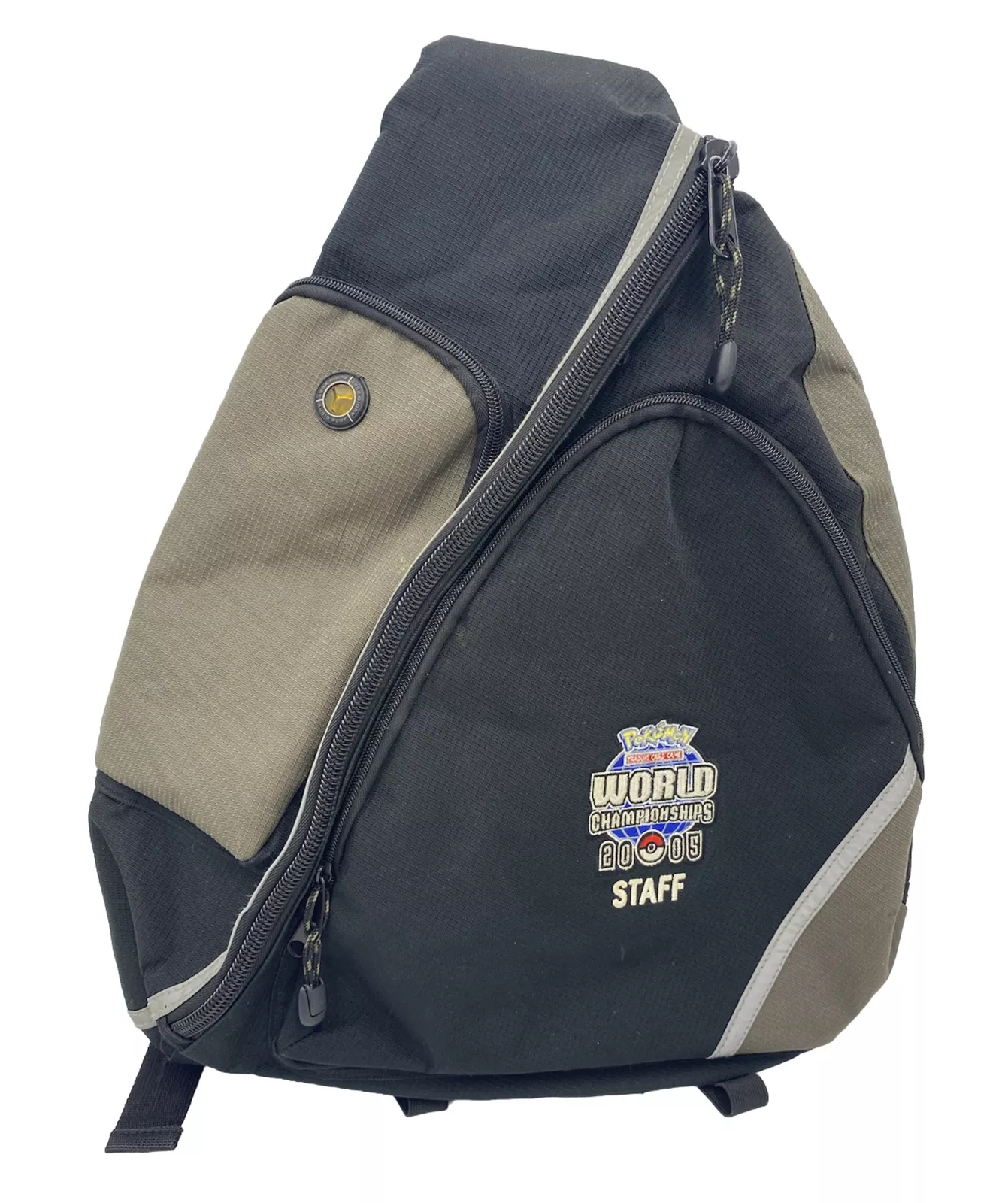
2005 Worlds would give all competitors who qualified a “Welcome Kit”, contained in a special Worlds-branded backpack. This tradition would be repeated for every single Worlds after 2005.
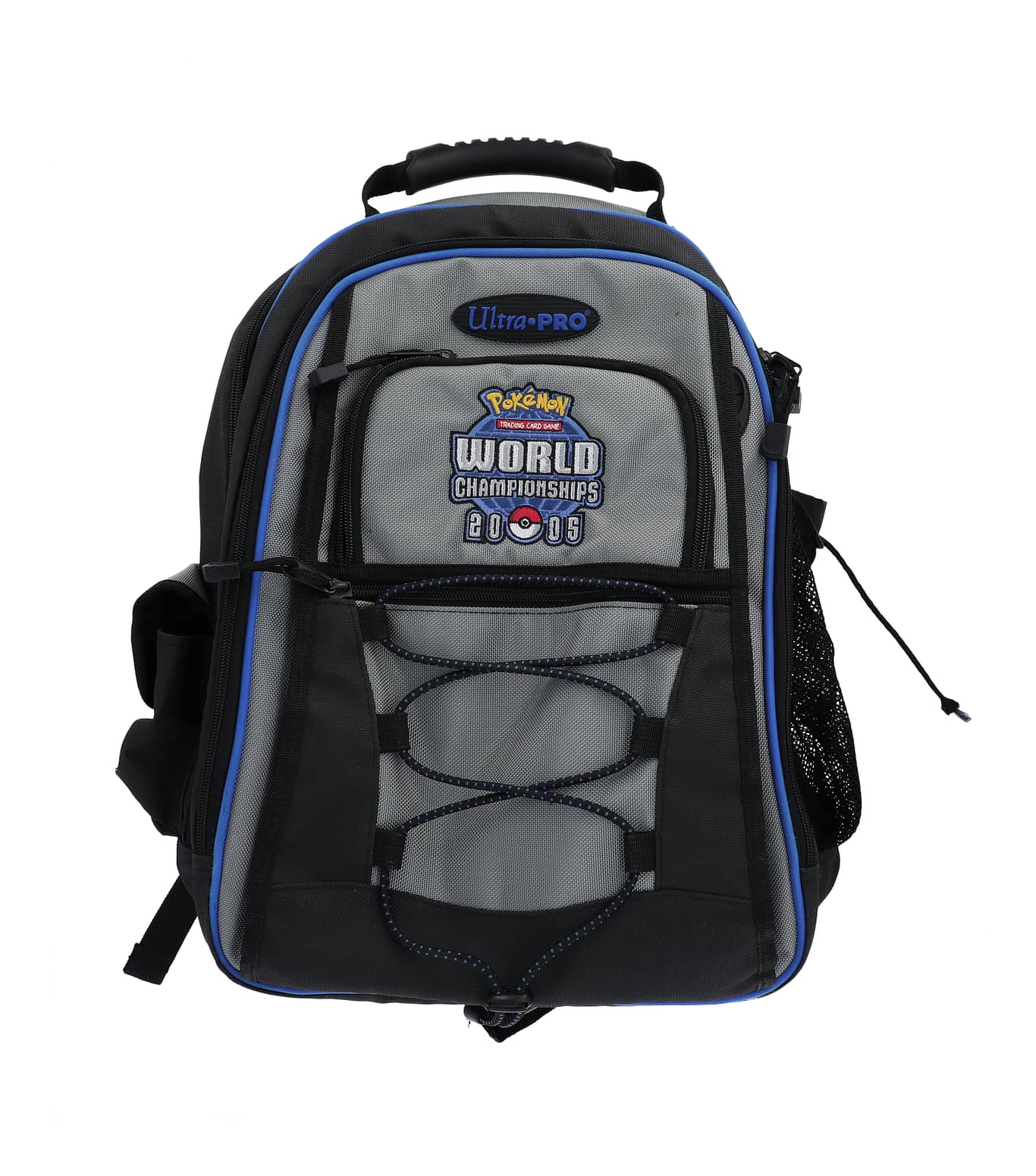
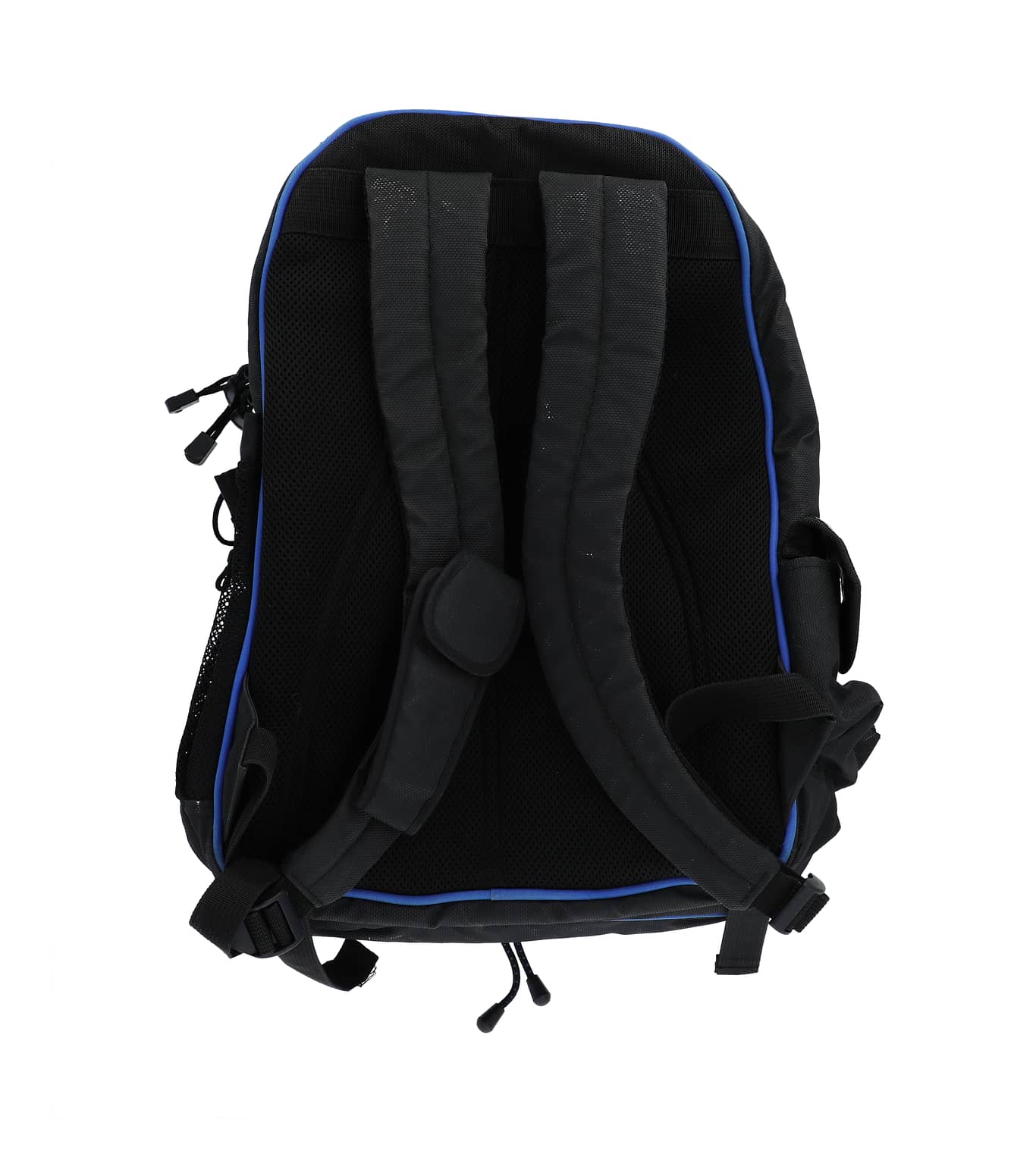
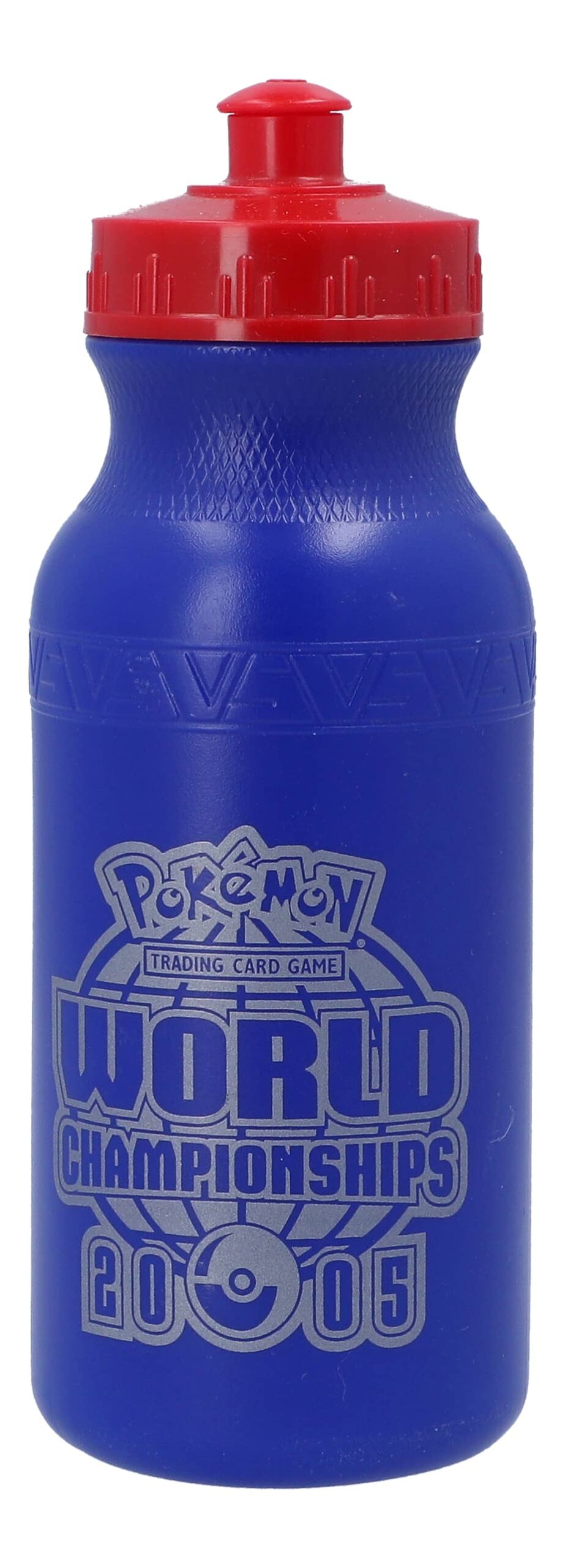
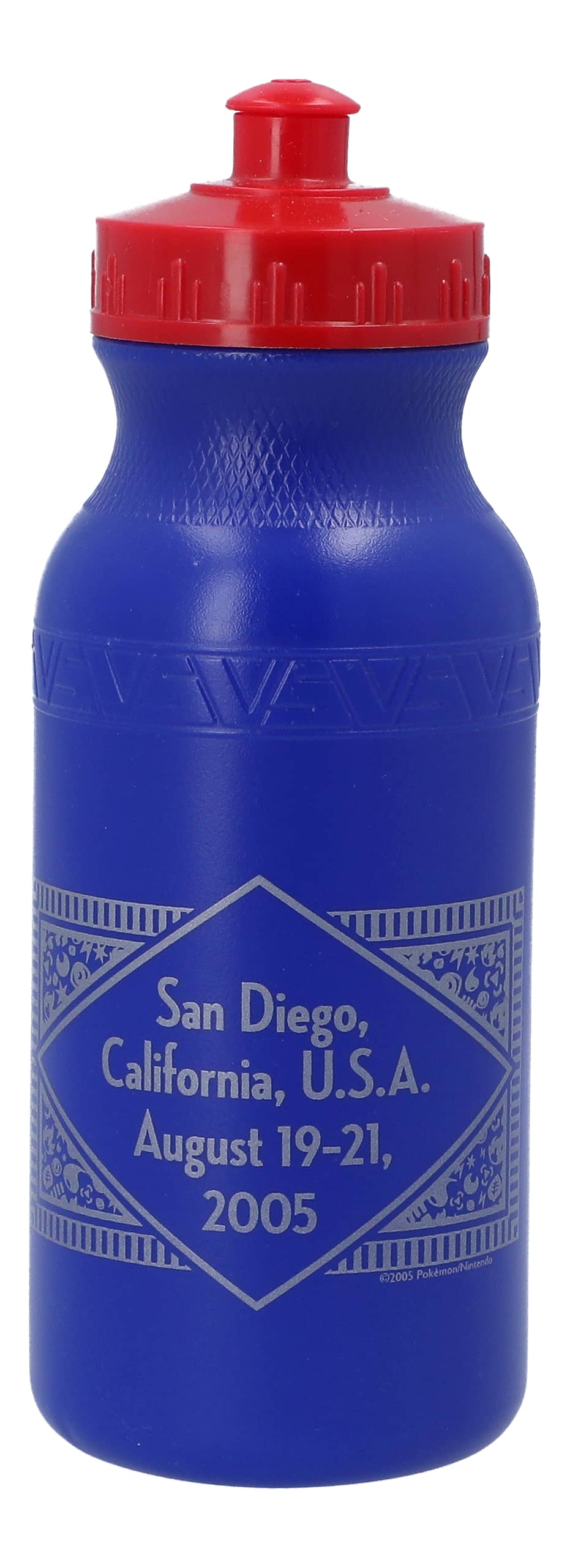
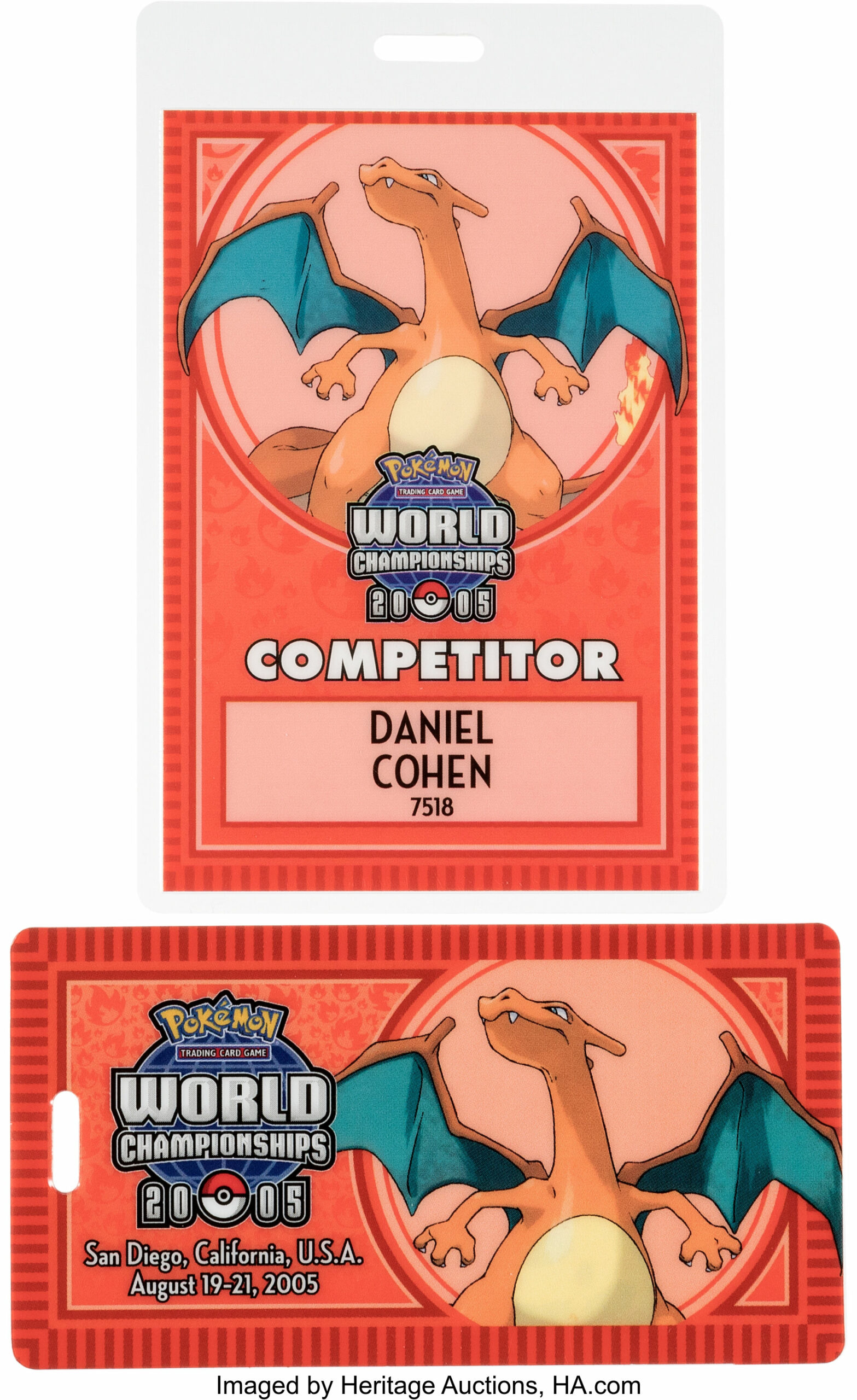
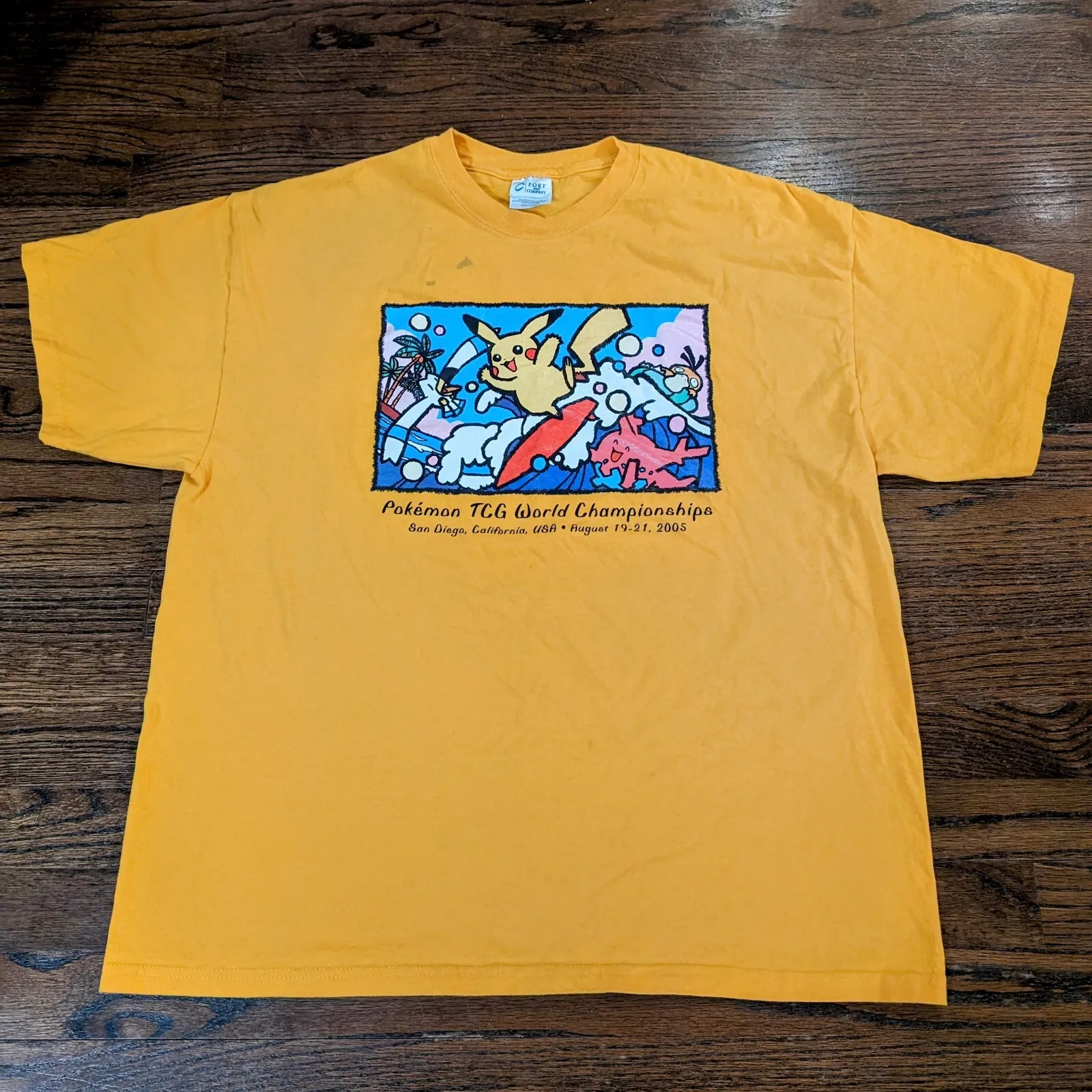
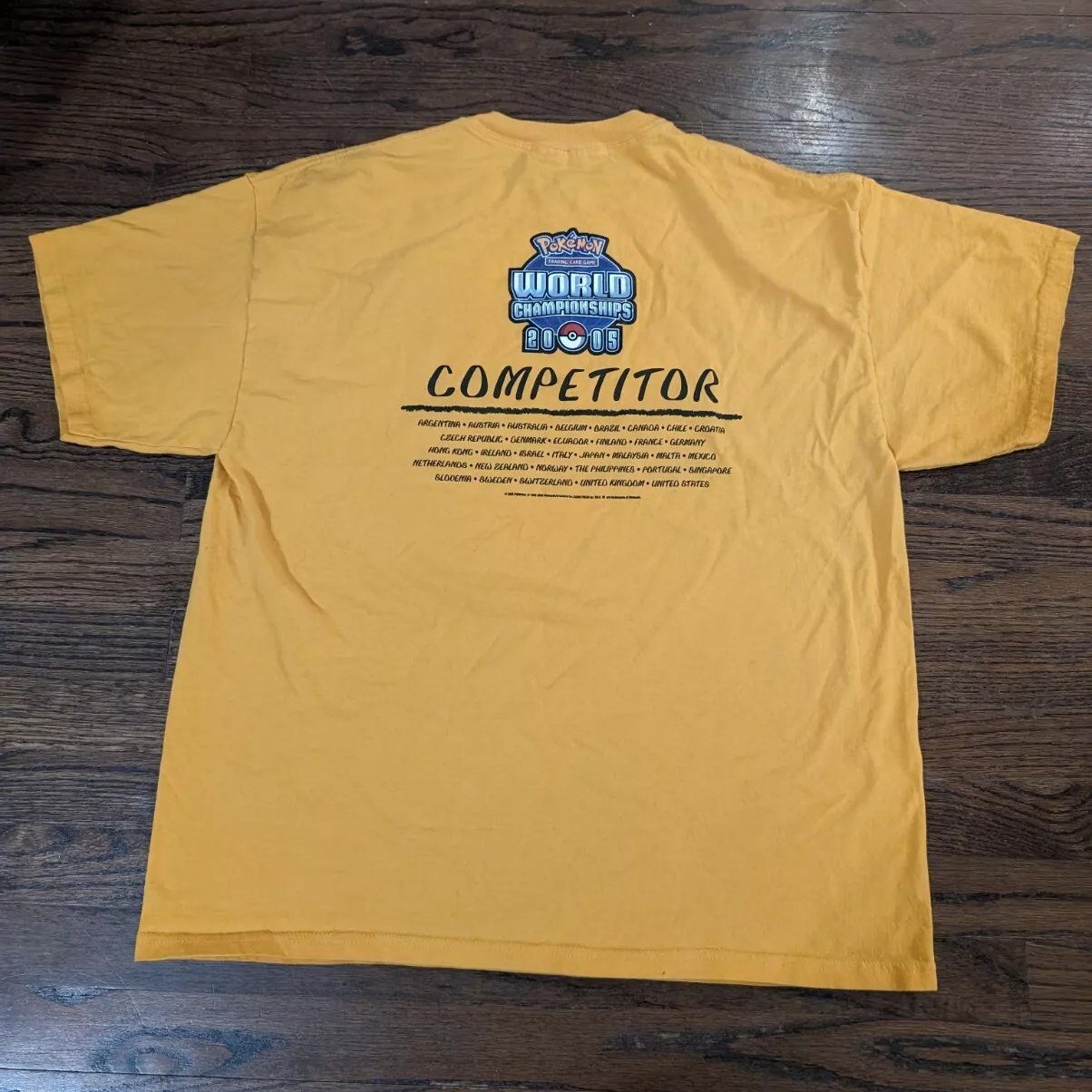
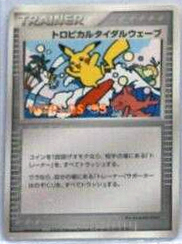
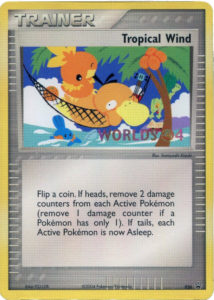
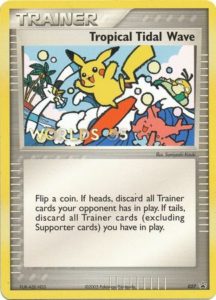
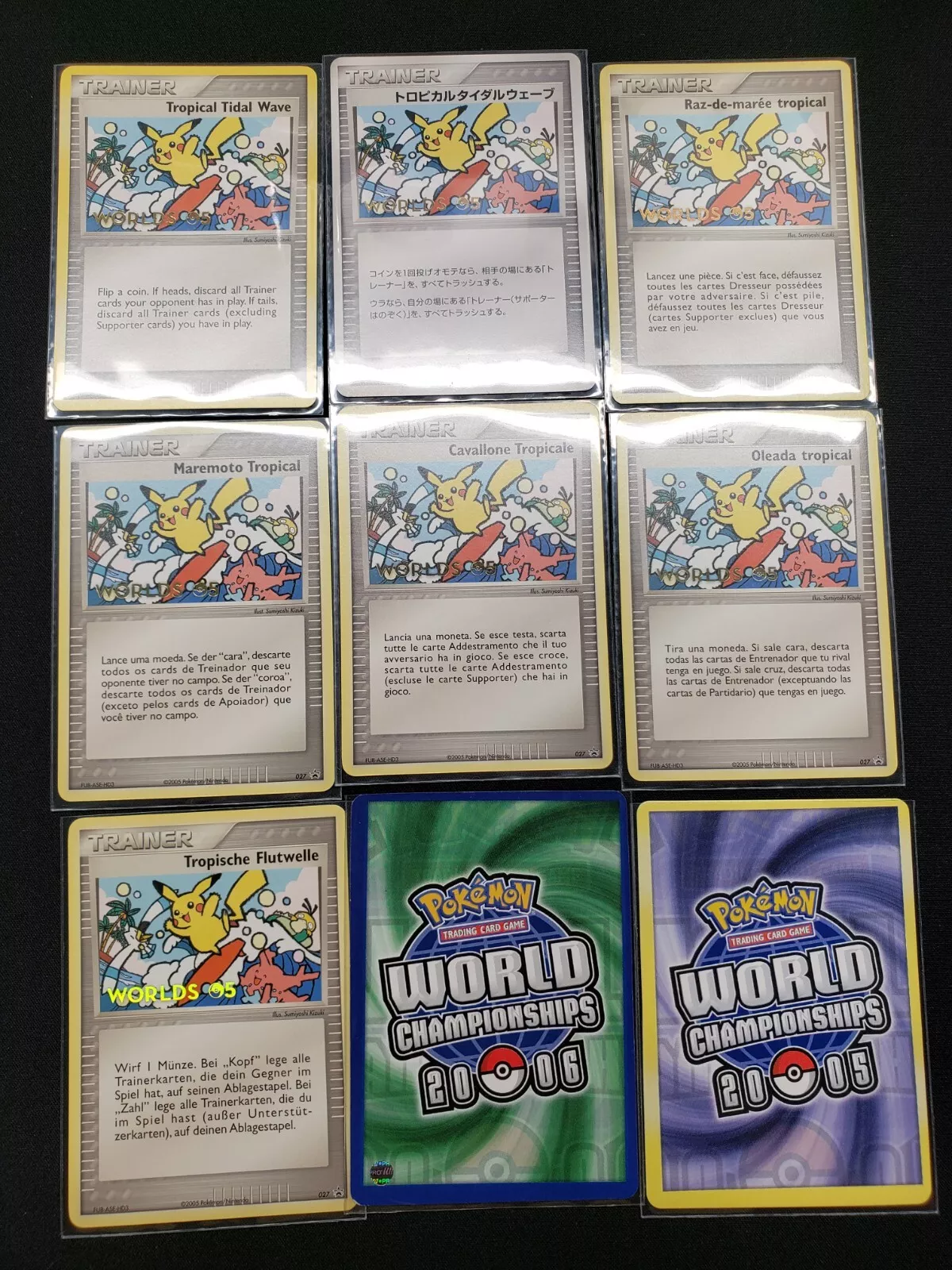
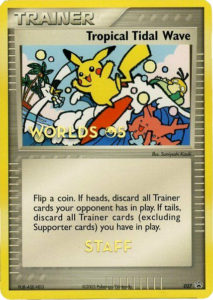
Welcome Kits included a variety of merchandise, including a new language set of promo cards, similar to the Tropical Wind cards given in 2004. 2005’s Worlds promo would be called Tropical Tidal Wave.
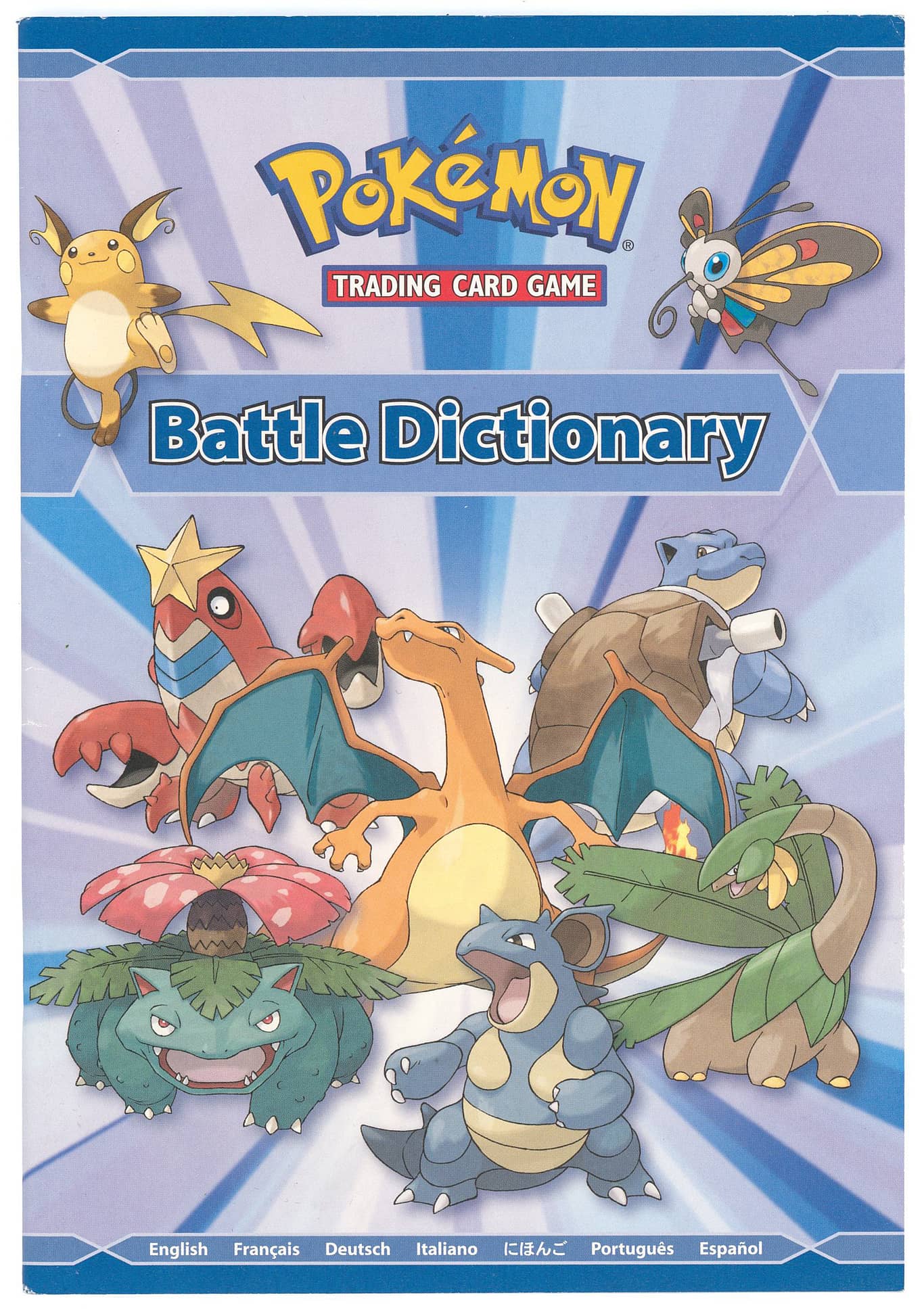
Additionally, competitors at the 2005 Worlds received a Battle Dictionary, a small guidebook on common phrases for playing the Pokemon TCG in various languages. These Battle Dictionaries were first issued in the original Tropical Mega Battle tournaments, which were the precursor to the Pokemon World Championships.
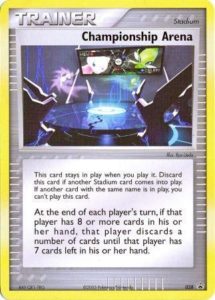
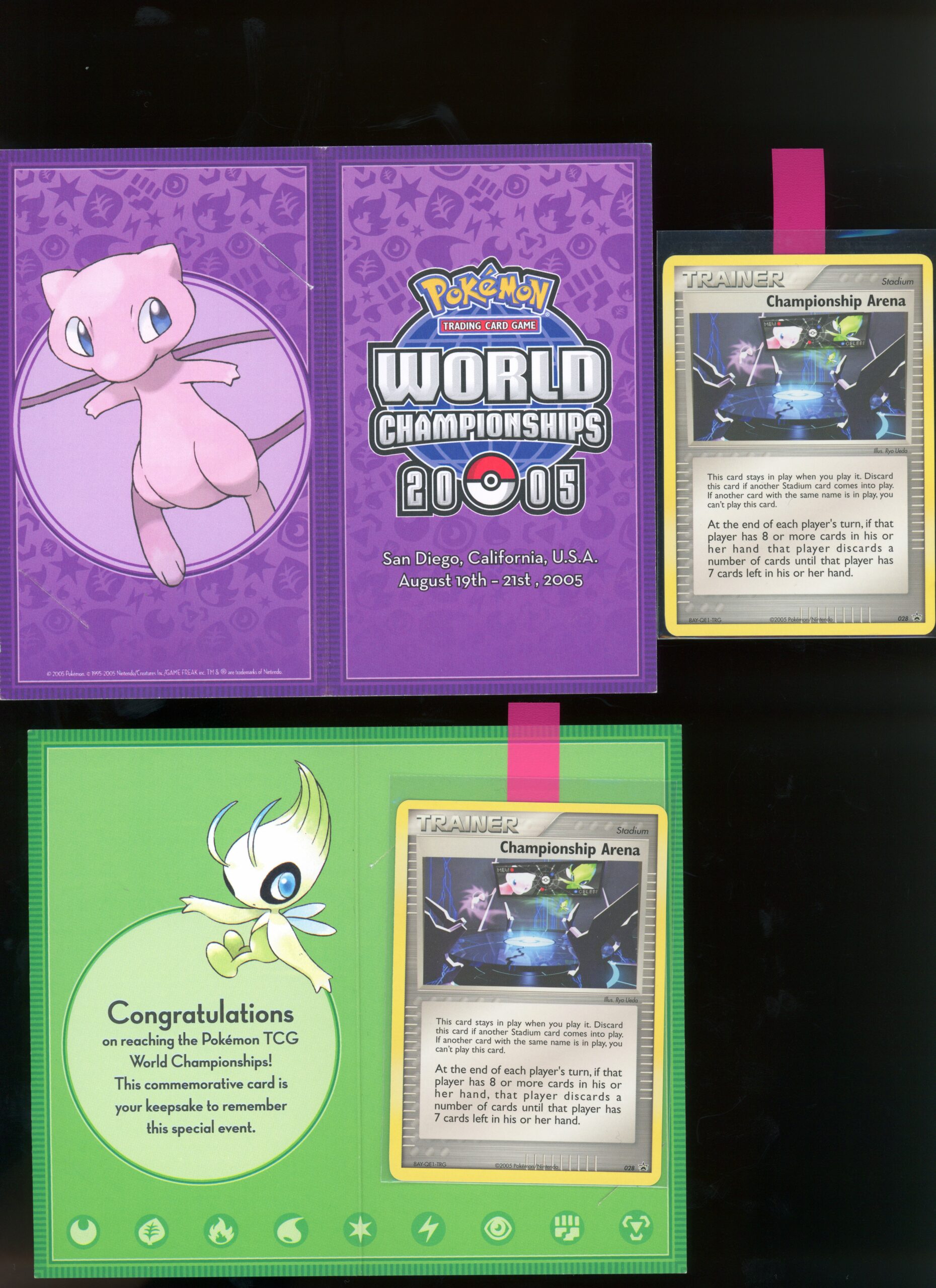
Competitors also received a Championship Arena promo card as a surprise gift. This was slid under the door of each competitor’s hotel room in a folded pamphlet, though due to the haphazard nature of distribution, some competitors received duplicates while others received none at all.
Non-Competitor Merchandise
Unlike the previous year, spectators did not receive any promo cards for attending. However, staff members and judges would be given apparel to wear at the event as well as some gifts to keep.
Staff members would receive blue or purple shirts to wear while at the event.
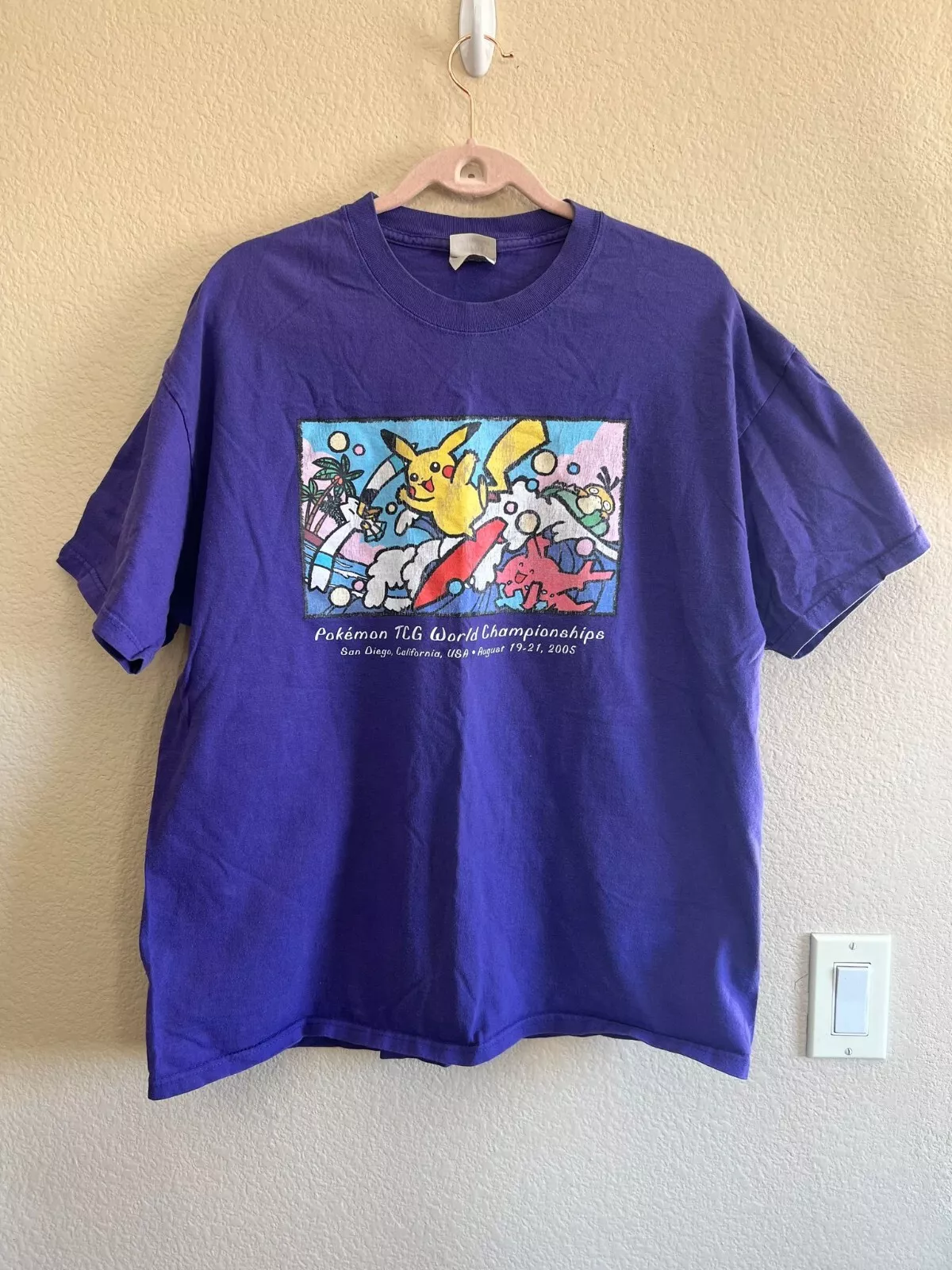
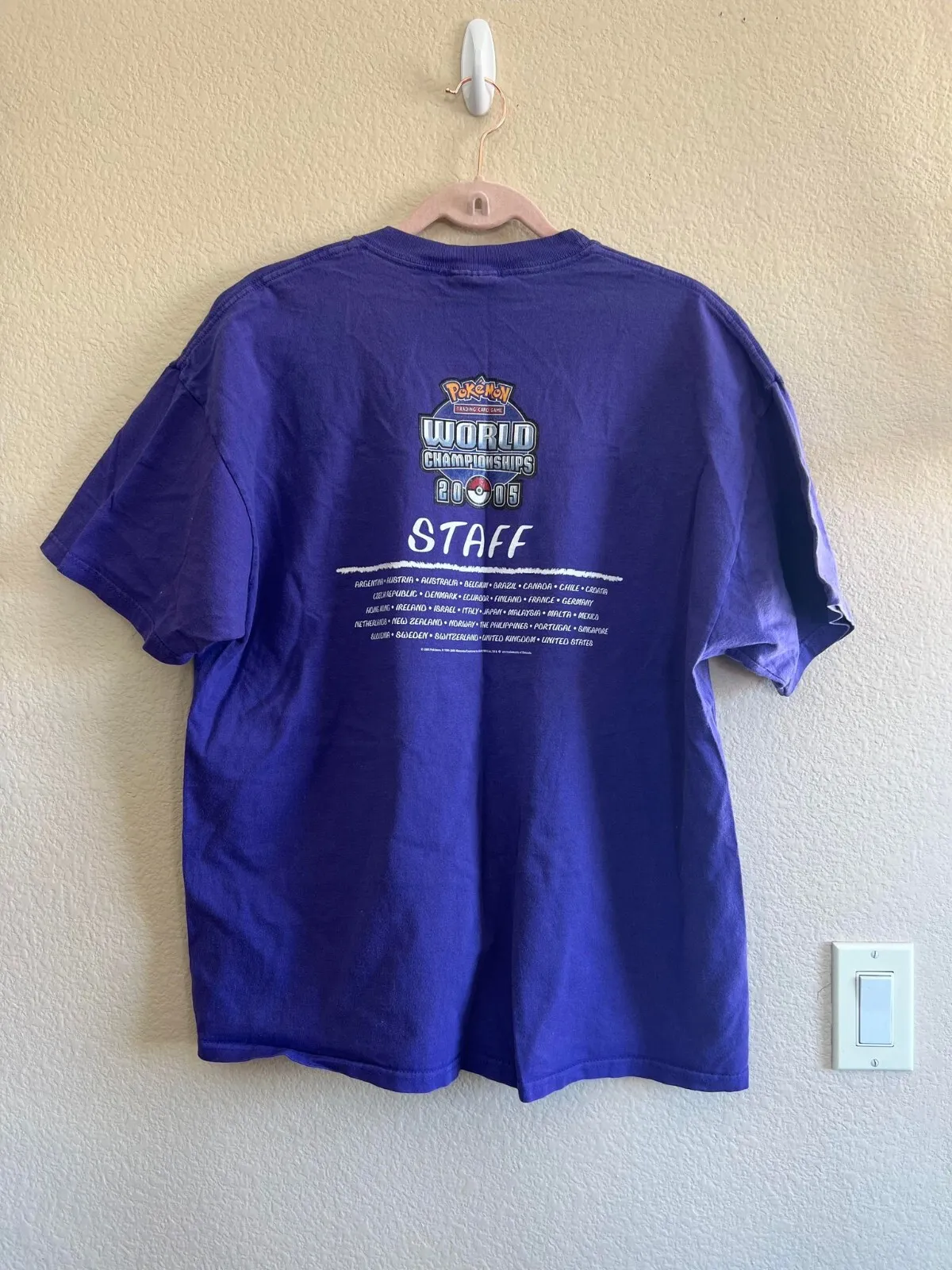
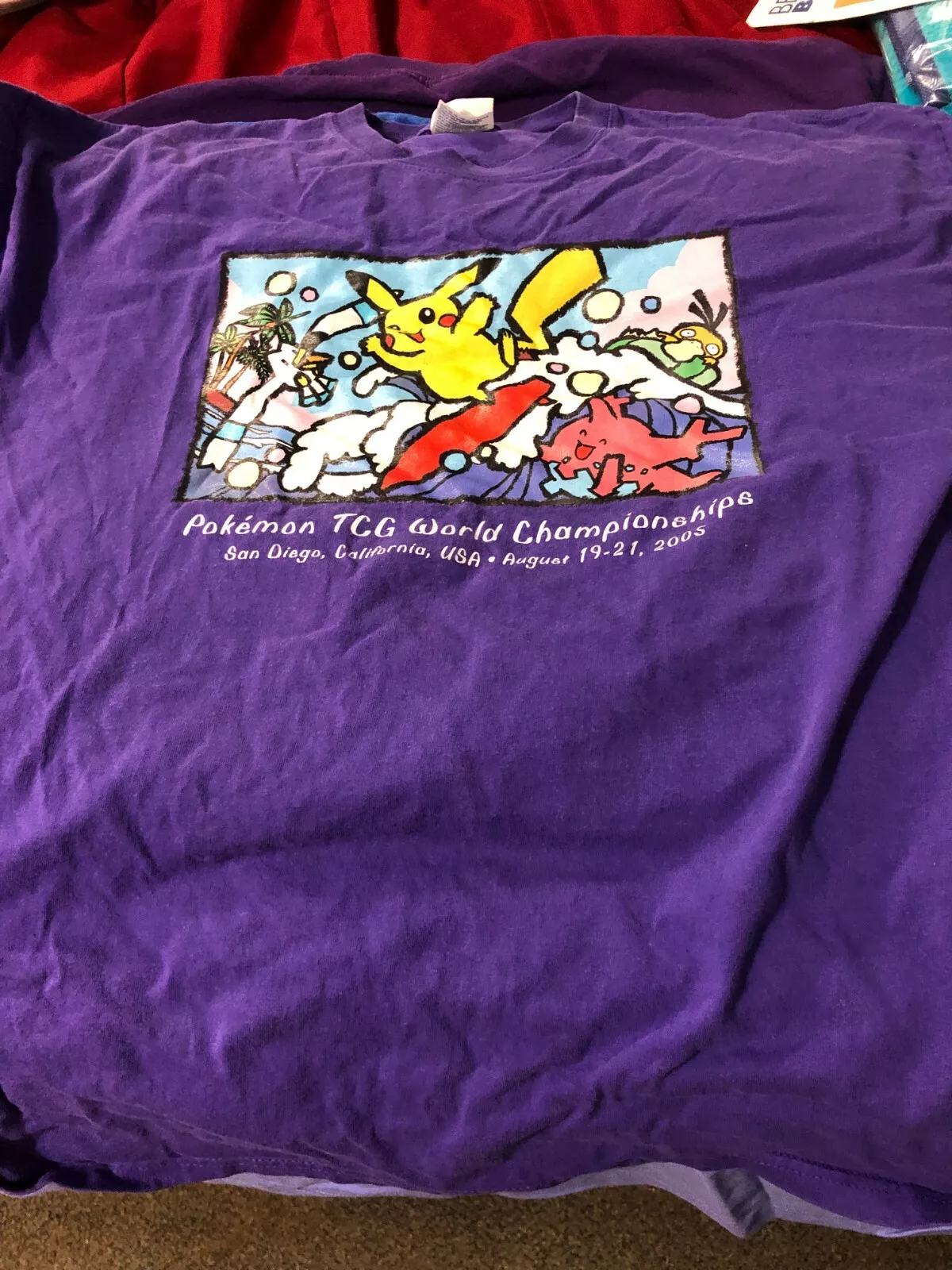
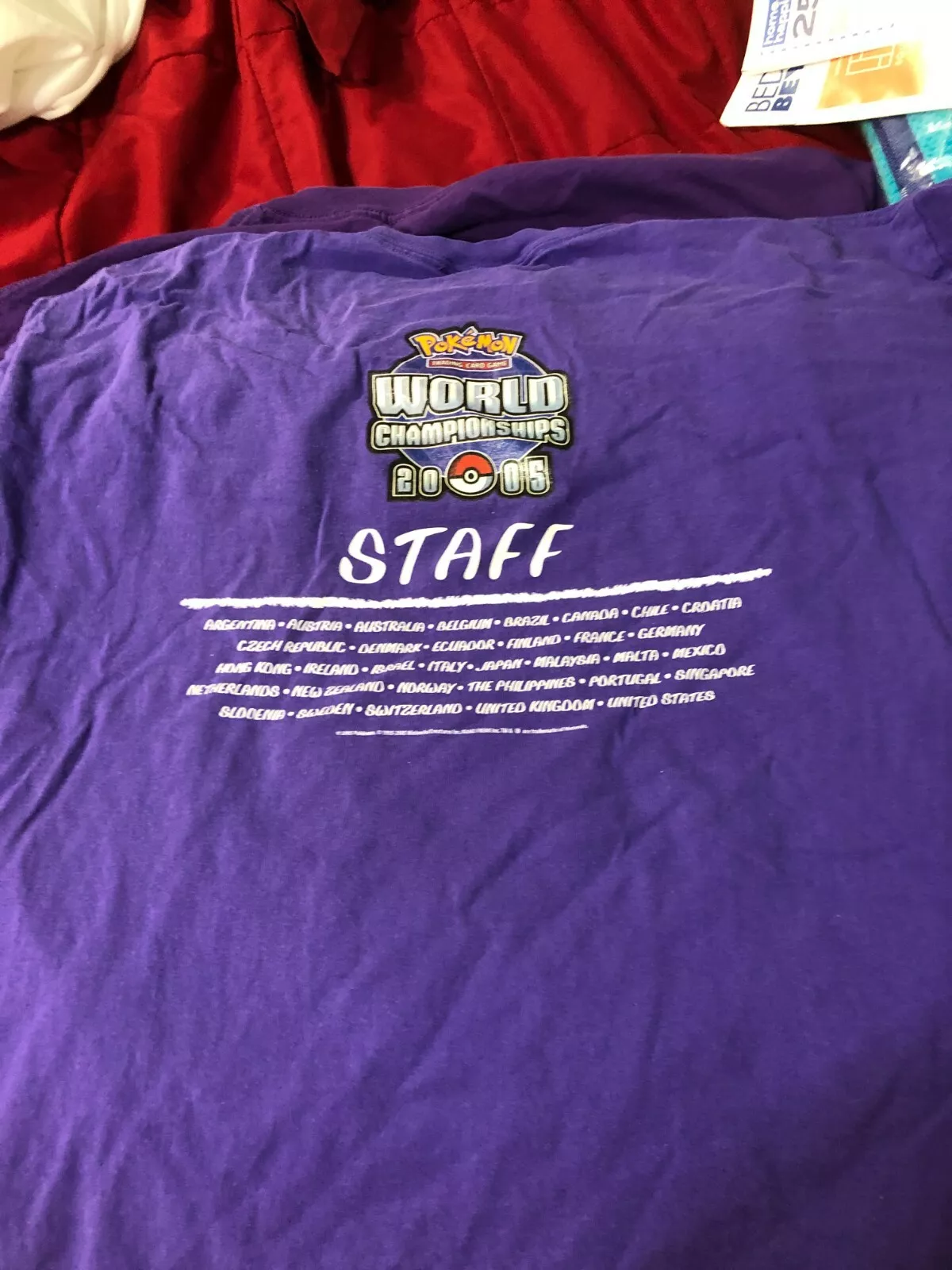
Staff members were also give a staff-stamped 2005 Tropical Tidal Wave promo card along with a single-strap bag.
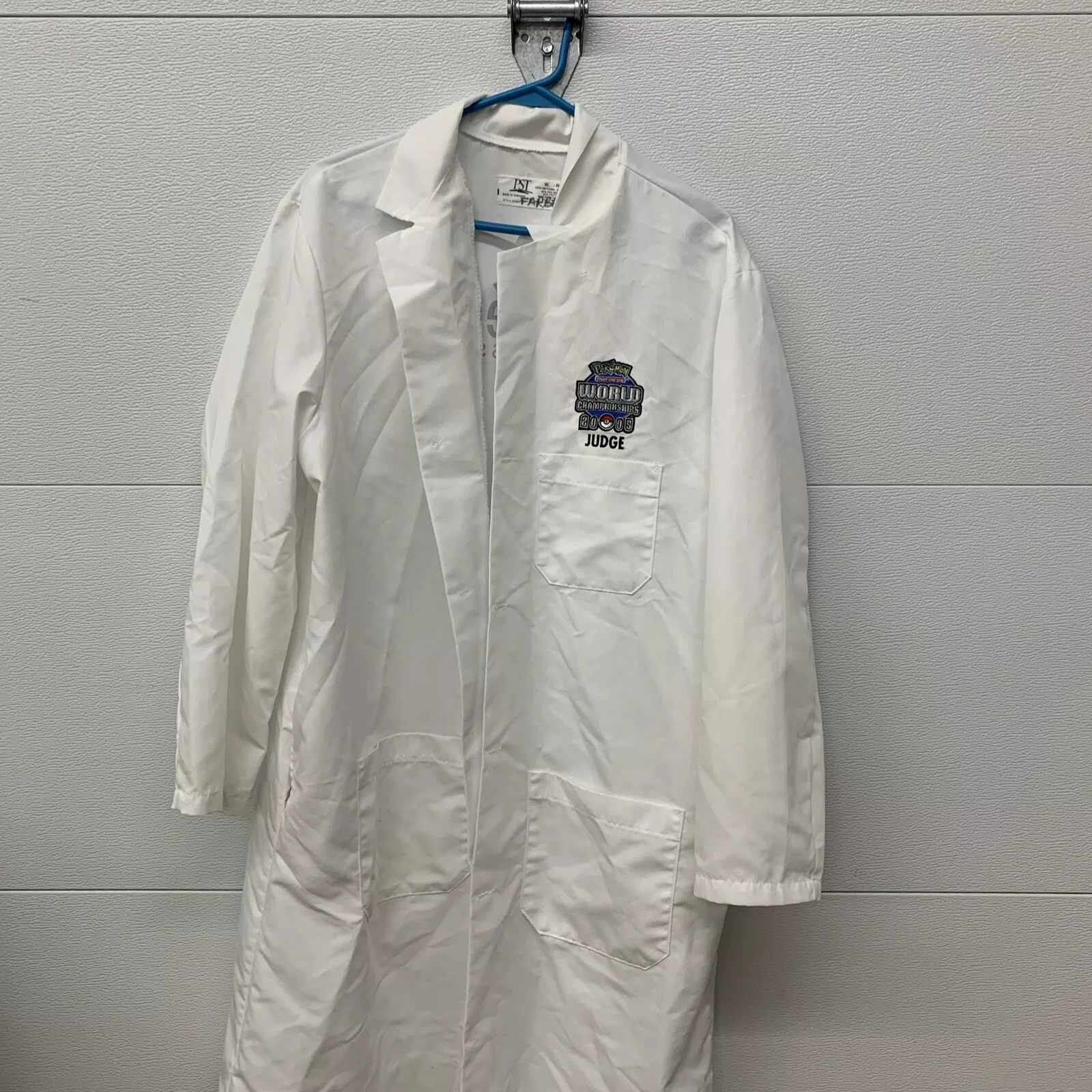
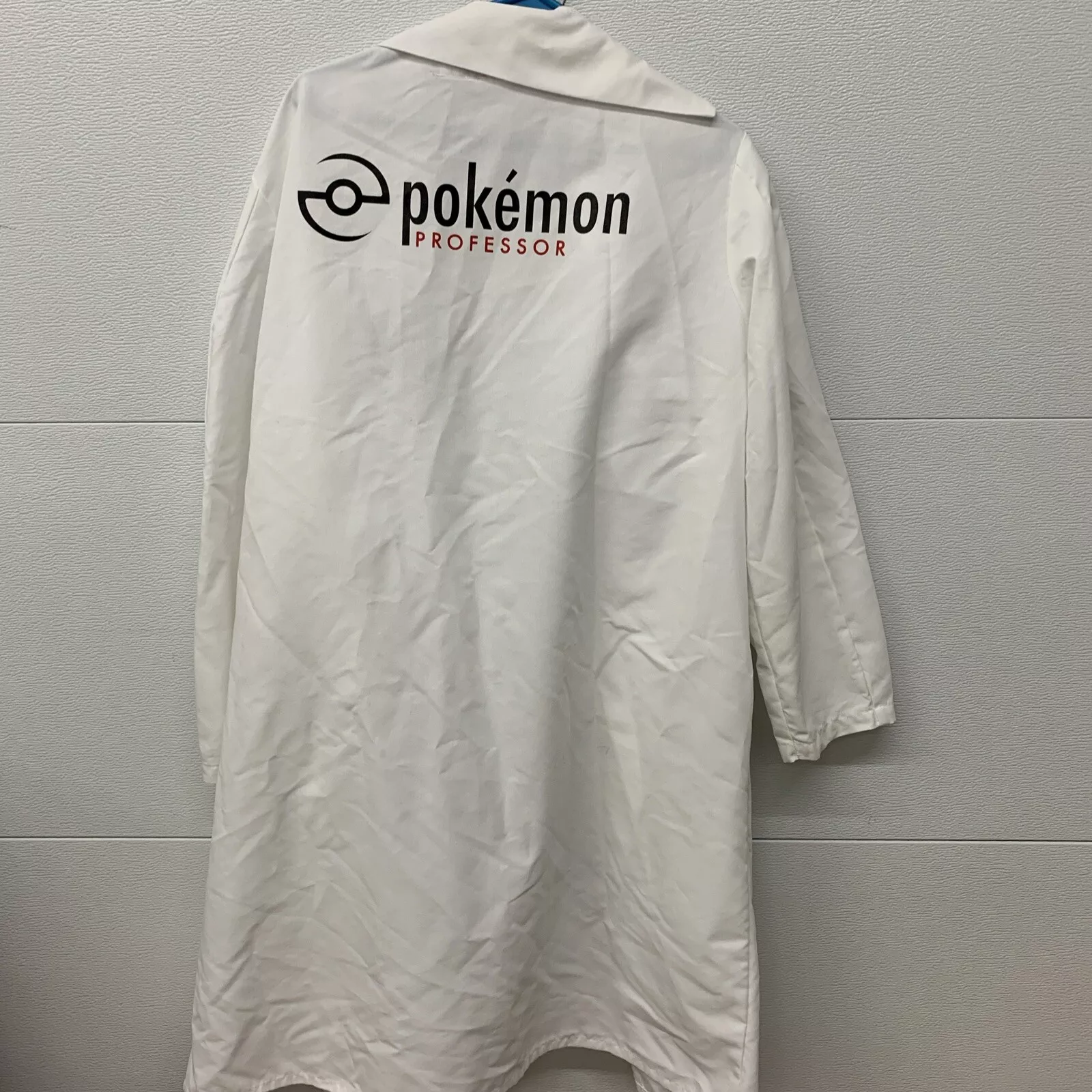
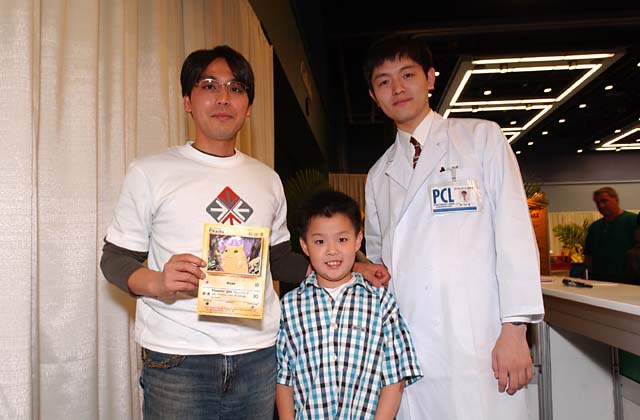
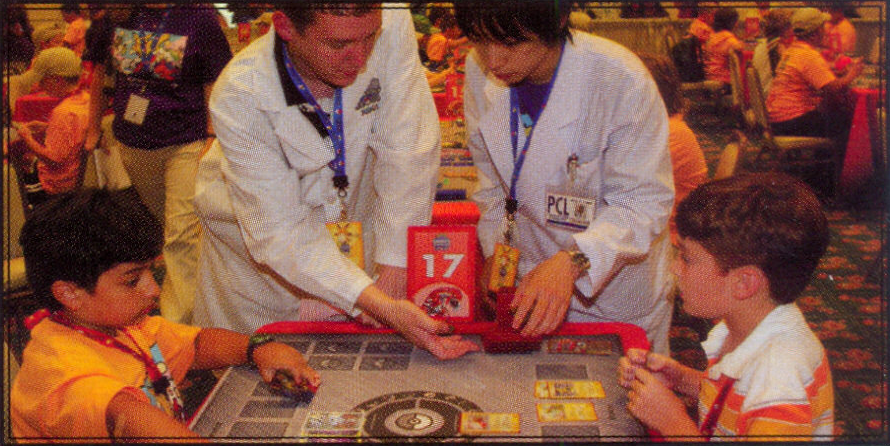
Judges were given a white lab coat to wear, inspired by the lab coats worn by Japanese Pokemon Card Laboratory (PCL) employees.
Tournament Results
While American players swept all three titles (a feat that would not be repeated in some subsequent years), the presence of finalists from countries such as Japan, Mexico, and Belgium showed the expanding global talent in the game. The Japanese delegation in particular came with high expectations after a Japanese player won the Masters division in 2004.
Juniors
The Junior Division featured the youngest Pokémon TCG players, all aged 10 or below. Dozens of talented juniors from around the globe competed in this category, showcasing strategic skill at a young age.
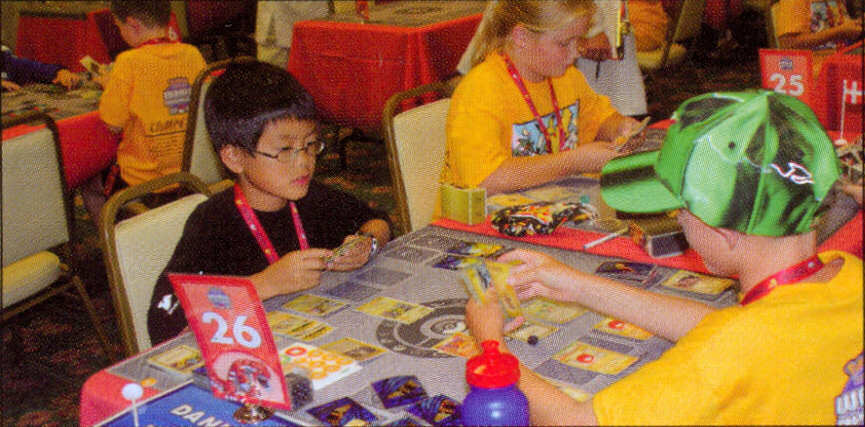
In 2005 the Junior bracket culminated in a finals match between two American players. Curran Hill of the United States emerged as the Junior World Champion, winning the division at just 10 years old. He defeated fellow American Geoffrey Sauk in the final, while Michael Gonzalez (USA) took third place and Jefre Robert of Belgium finished in fourth.
Notably, Jefre Robert’s Top-4 finish was a standout performance as it marked Belgium’s first podium placement at the World Championships. Curran Hill’s victory was achieved using a Medicham ex deck, a strategy focused on disabling the opponent’s Pokémon Powers and steadily wearing down the opposition. This Medicham ex deck proved to be a dominant force in the Junior division, illustrating that even the youngest competitors had adapted to the year’s emerging metagame.
Juniors Final Standings
- Curran Hill (USA)
- Geoffrey Sauk (USA)
- Michael Gonzalez (USA)
- Jefre Robert (Belgium)
Seniors
Players in the Senior Division (ages 11–14) displayed a highly competitive field in 2005, often mirroring the skill and strategies seen in the older group. The Seniors final pitted Stuart Benson of the United States against Takashi Yoneda of Japan, highlighting an international showdown.
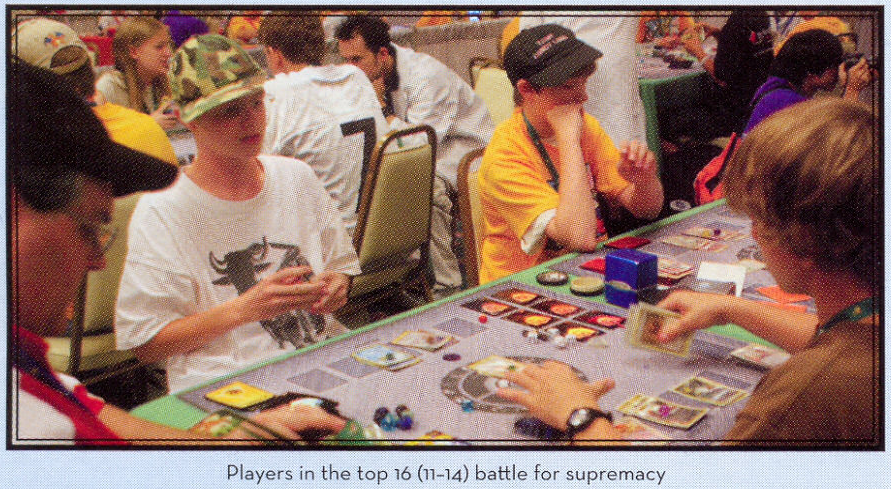
Stuart Benson won the match, becoming the Senior World Champion 2005. This victory was significant as Benson had also competed in Worlds 2004 and improved to claim the title in 2005. Yoneda’s second-place finish was Japan’s best result in the Senior division that year. The third-place match saw Daniel Richard (USA) secure third, while Andrew Knaack (USA) finished fourth.
The Senior division champion, like the Junior, piloted a Medicham ex deck to victory. The prevalence of Medicham ex in both Juniors and Seniors was a testament to that deck’s strength in shutting down opponents’ abilities and controlling the pace of the game.
Other Senior finalists showcased different top-tier decks of the 2005 format: Takashi Yoneda’s runner-up deck was a Dark Tyranitar/Pidgeot build (leveraging Dark Tyranitar’s spreading damage with Pidgeot’s search power), and other high finishers used strategies like Ludicargo (Ludicolo/Magcargo) and ZRE (a Lightning-focused deck with Zapdos ex) during the tournament. The Senior division had roughly a similar number of competitors as Masters, with many National Champions from around the world in contention, and it concluded with a strong showing by Team USA and a notable performance by Japan’s Takashi Yoneda.
Seniors Final Standings
- Stuart Benson (USA)
- Takashi Yoneda (Japan)
- Daniel Richard (USA)
- Andrew Knaack (USA)
Masters
The Masters Division (ages 15 and up) was the largest and most competitive field, containing many veteran TCG players and National champions.
In 2005, Masters had around 150 players battling for the title. The tournament culminated in an all-American final: Jeremy Maron of Pennsylvania, USA, faced Ross Cawthon of Washington, USA for the championship. Jeremy Maron won the Masters World Champion title, defeating Ross Cawthon in the finals. Maron’s victory added to the United States’ sweep of all three age divisions in 2005. The Masters third place went to Pablo Meza Alonso of Mexico, and fourth place to Ken Yukuhiro of Japan, reflecting a diverse top four with two different continents represented in the semifinals.
Jeremy Maron’s winning deck was built around Nidoqueen – an archetype dubbed “Queendom” by players – which used the Nidoqueen card’s power and consistent damage output to overwhelm opponents. Pablo Meza, who took third, coincidentally also piloted a Nidoqueen/“Queendom” deck, showing the strength of that archetype in the Masters metagame. Ross Cawthon’s runner-up deck was a Dark Tyranitar/Electrode ex strategy, combining Dark Tyranitar’s spreading damage with Electrode ex’s Energy acceleration. Meanwhile, Ken Yukuhiro utilized a Dark Tyranitar/Magcargo deck, a variation that paired Dark Tyranitar with Magcargo’s smoothing ability to improve draws.
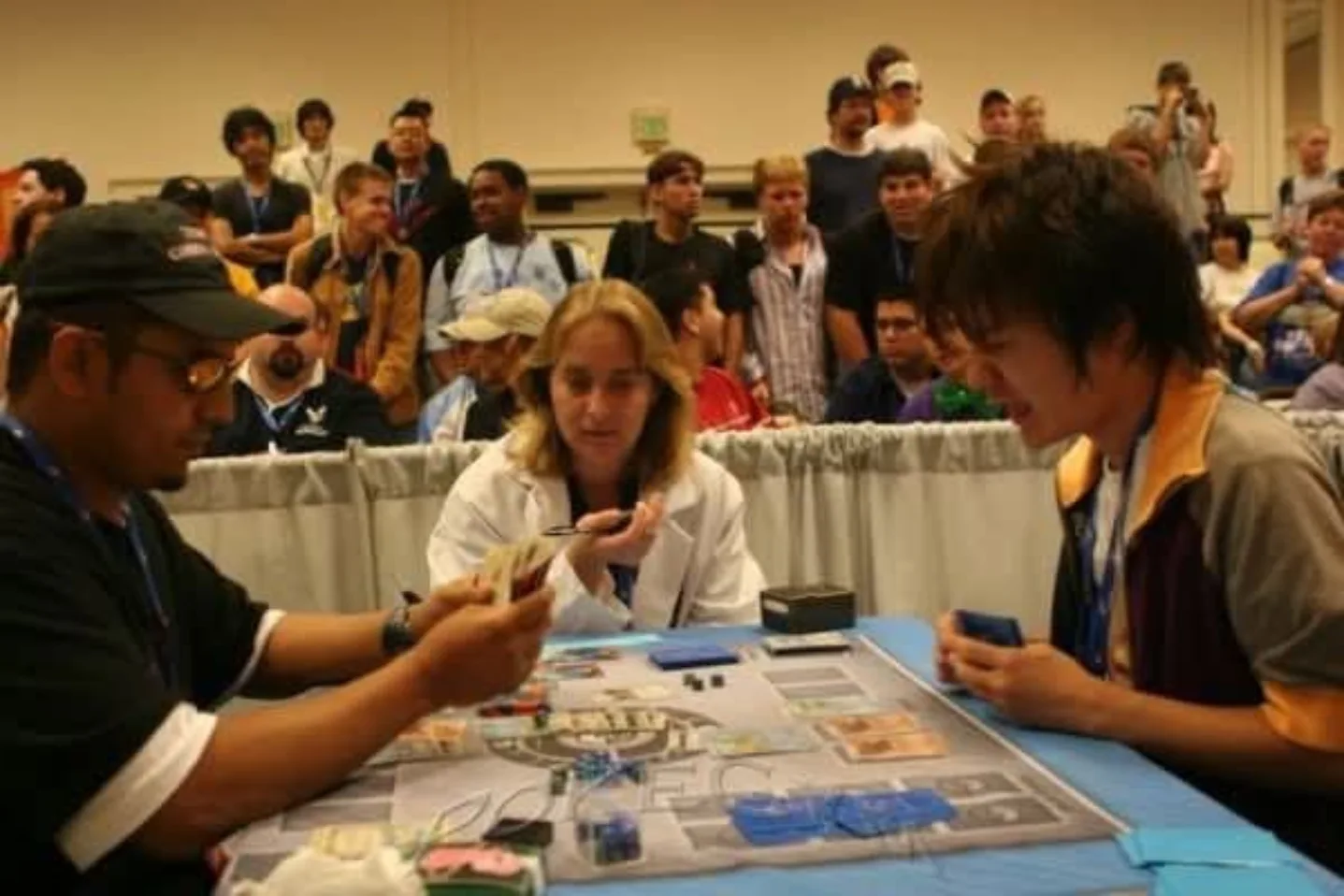
Other notable Masters competitors included former World Champion Tsuguyoshi Yamato of Japan (the 2004 champion), who was attempting to defend his title; Yamato finished in the top 8 with a Ludicargo deck, falling short of a repeat victory. The Masters division in 2005 was intensely competitive, and the presence of multiple countries in the late elimination rounds (USA, Mexico, Japan, UK and others) underscored the global nature of the event.
Masters Final Standings
- Jeremy Maron (USA)
- Ross Cawthon (USA)
- Pablo Meza (Mexico)
- Ken Yukuhiro (Japan)
Prizes
Based on their placement, top players were awarded with 2 copies of a stamped Tropical Tidal Wave card. Like the previous year, players only received cards for their placement rank. In future World Championships they would receive their placement rank and all those below as well.
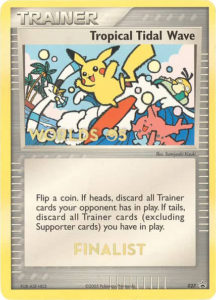
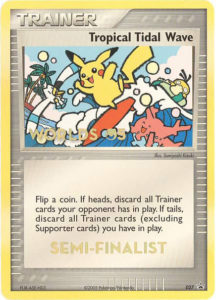
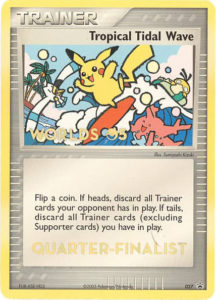
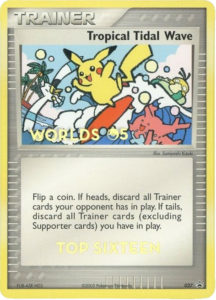
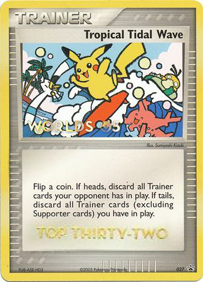
This means in total there are:
- Top 32: 192 copies
- Top 16: 96 copies
- Quarter-Finalist: 48 copies
- Semi-Finalist: 24 copies
- Finalist: 12 copies
Later years would introduce a “Champion” stamp as the highest placement.
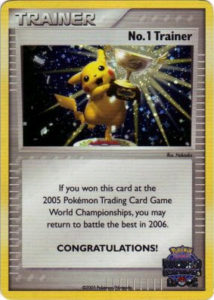
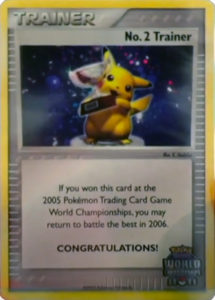
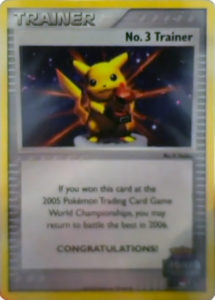
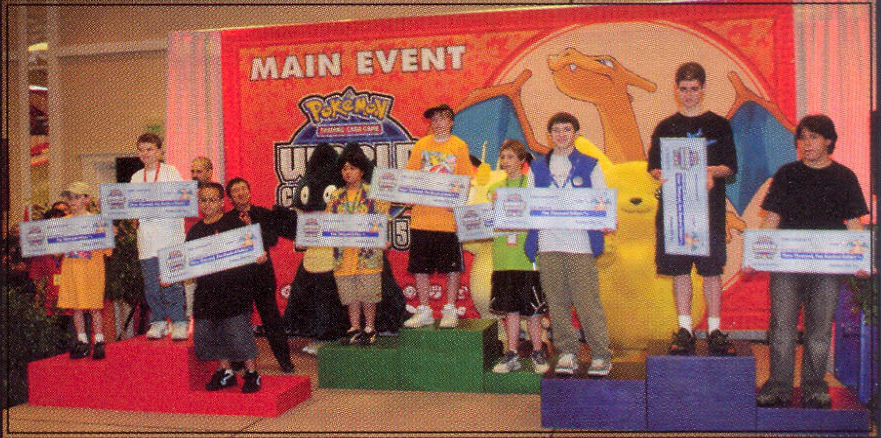
In addition to the stamped Tropical Tidal Wave promo cards, the top 3 winners in each age division received a No.1, 2, or 3 Trainer card as well as monetary or scholarship awards
Legacy
The 2005 Pokémon TCG World Championships solidified the event’s prestige and set precedents for the future. It was the first Worlds under Pokémon USA’s full leadership (after transitioning from Wizards of the Coast in 2003–2004), and the smooth execution in San Diego proved that organized play was thriving.
The tournament’s results also had a lasting impact on the game’s meta: decks like Queendom and Medicham ex entered legend and are still discussed when players reminisce about “the 2005 format.” Several competitors from 2005 went on to become well-known figures in the game – for instance, Jeremy Maron’s win and Ross Cawthon’s consistent finals appearances kick-started their reputations in the community. The event’s success would be followed by the 2006 World Championships in Anaheim, and the growth of the World Championships as an annual spectacle for the Pokémon TCG.
From a competitive standpoint, one notable storyline was the performance of international players. While American players swept all three titles (a feat that would not be repeated in some subsequent years), the presence of finalists from countries such as Japan, Mexico, and Belgium showed the expanding global talent in the game.
Sources
- https://web.archive.org/web/20050308103709/http://op.pokemon-tcg.com/home/world_invite.asp
- https://web.archive.org/web/20050408040049/http://op.pokemon-tcg.com/events/faqs/2004-2005/regionals_faq.asp
- https://www.elitefourum.com/t/pokemon-organized-play-pop-timeline-2004-2005-pokemon-league-year-6/37332
- https://web.archive.org/web/20050407144214/http://www.pokemon-card.com/event/topics/sm2005_wcs.html
- https://ptcgarchive.com/2005-worlds-standings/
- https://web.archive.org/web/20191121000155/http://www.pokemon-paradijs.com/ruilkaarten/world-championships-2005-booklet.php