

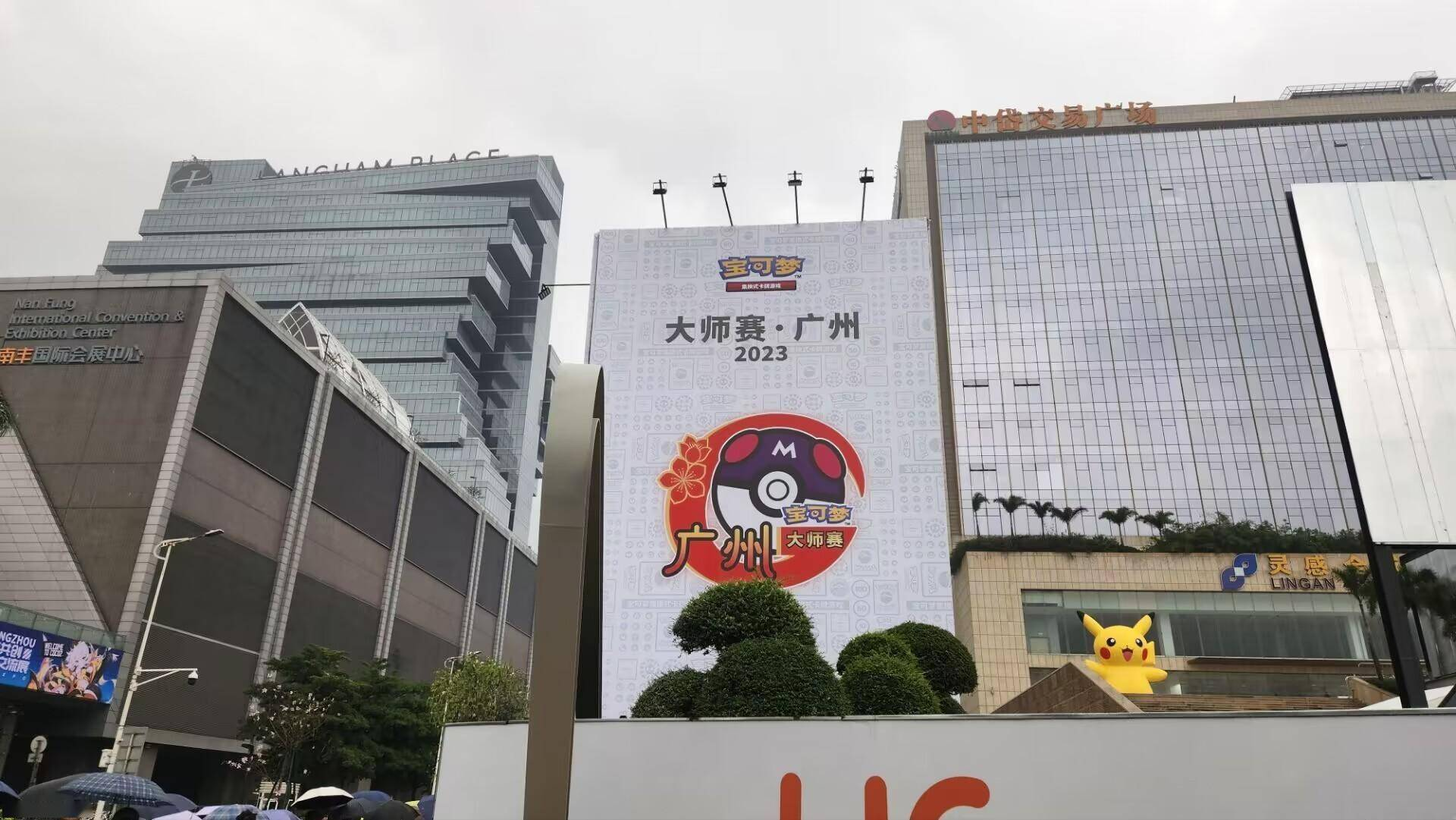
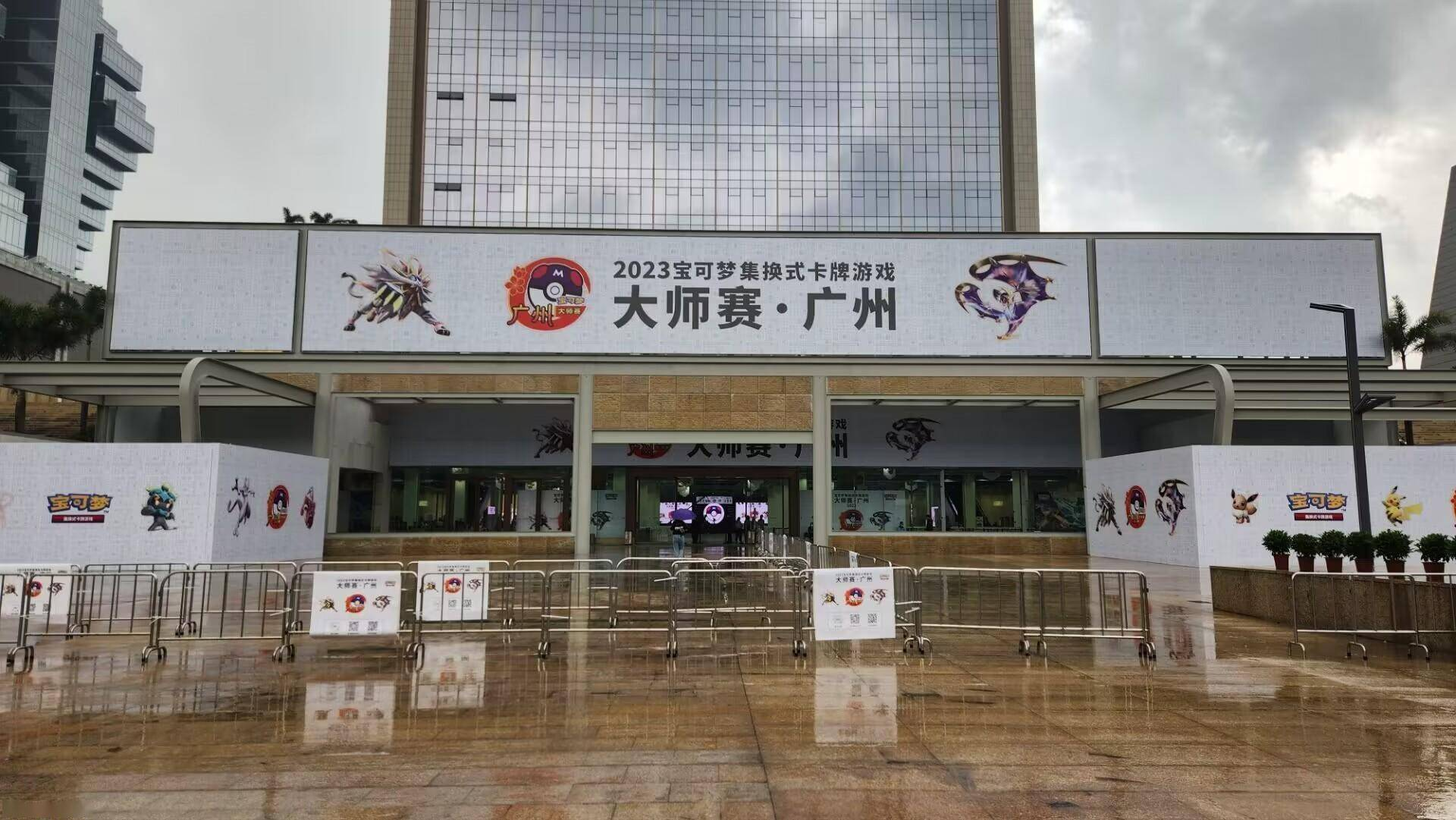
The Pokemon TCG was released in Mainland China in late 2022, but officially didn’t have any major national tournaments until 2023. From March 25-26, 2023, Pokemon China would host the first-ever Mainland China national tournament, Pokemon Card Masters Guangzhou at the Guangzhou Inspiration Innovation Exhibition Hall.
Entry
The tournament was divided into 3 age groups, which each division having different entry methods. Participants who were eligible for multiple groups could choose which to participate in, but could only compete in one.
- Open Group: Participants must be 9 years old and above (born on or before March 25, 2014)
- Junior Group: Participants are 13 years old and above, and under 18 years old (born between March 26, 2005 and March 25, 2010)
- Children’s Group: Participants are 9 years old and above, and under 13 years old (born between March 26, 2010 and March 25, 2014)
Radiance Challenge
The Radiance Challenge was a circuit of local tournaments held in 18 cities across China over two weekends, February 18-19, 2023 and February 25-26, 2023.
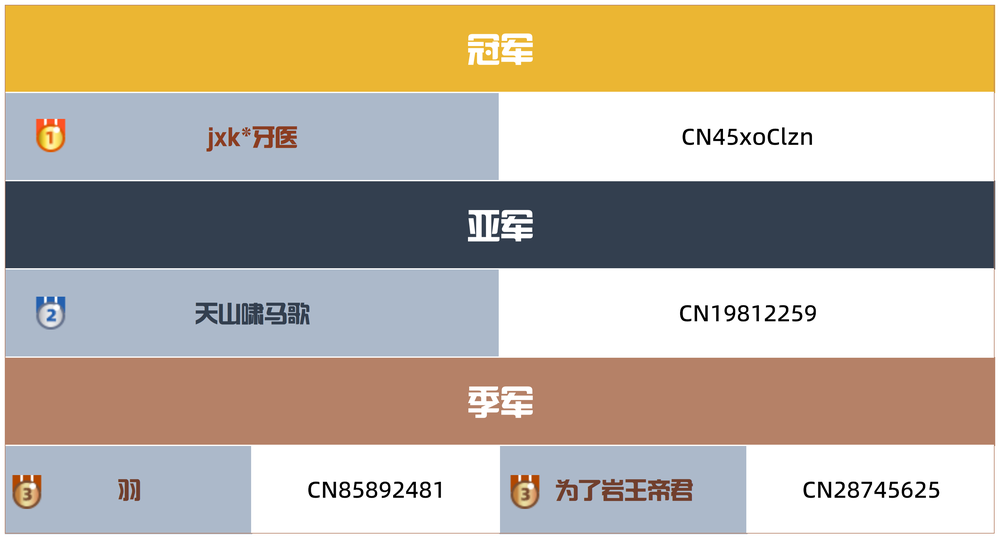
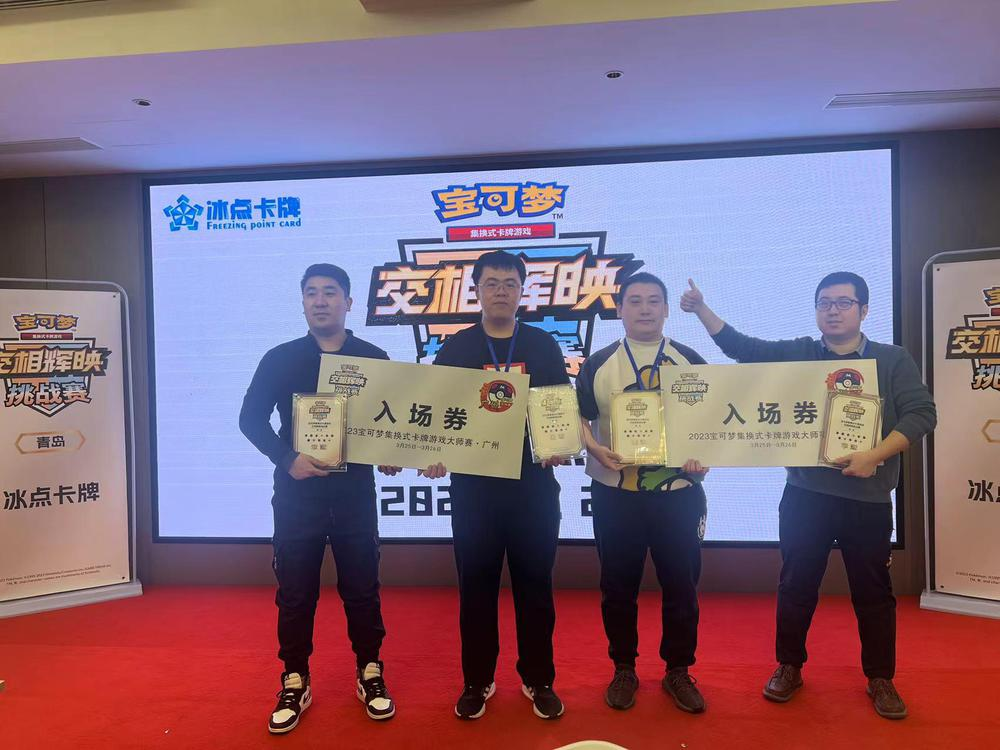
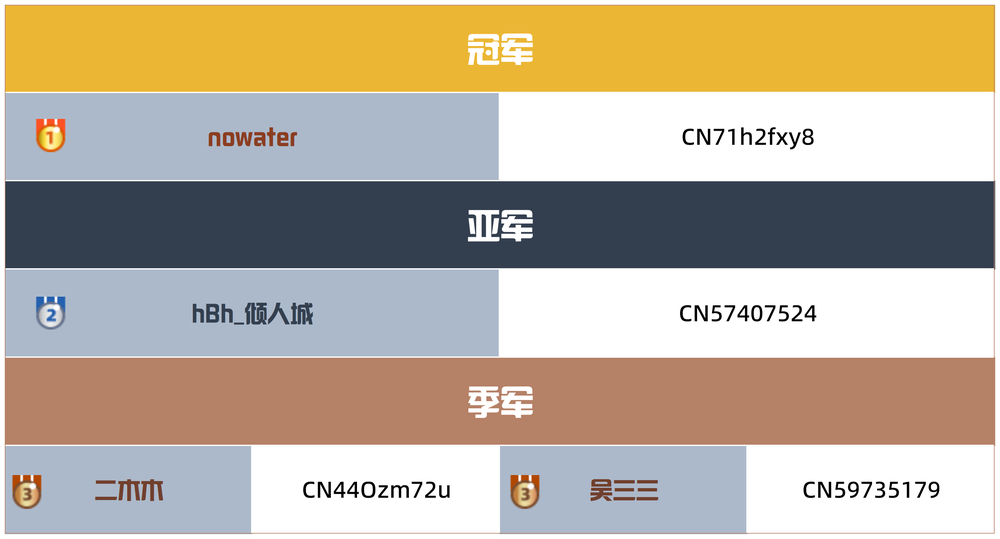
Players who placed highly in these events would gain guaranteed entry into the 2023 Pokemon Card Masters Guangzhou tournament.
Week 1 (February 18-19, 2023)
Shanghai Number of participants: 200
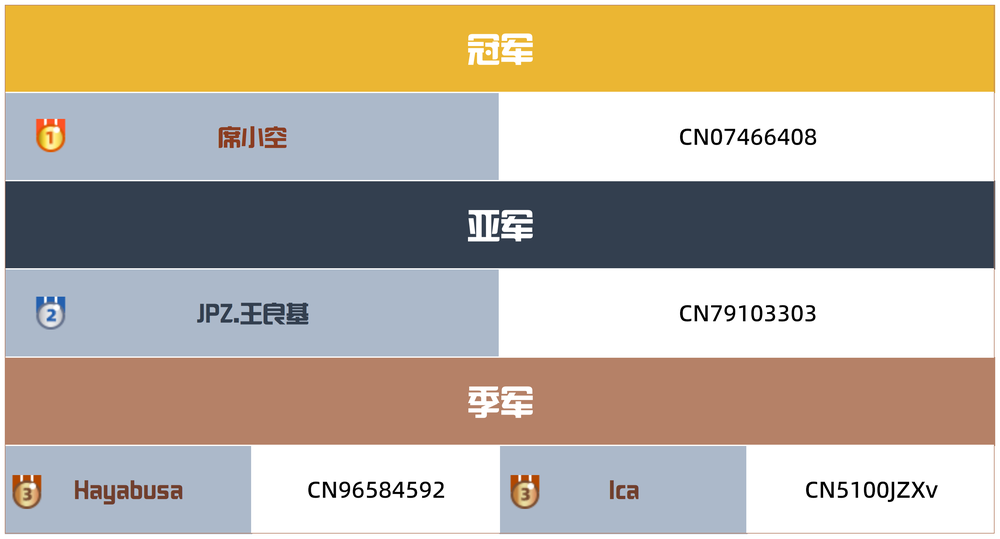
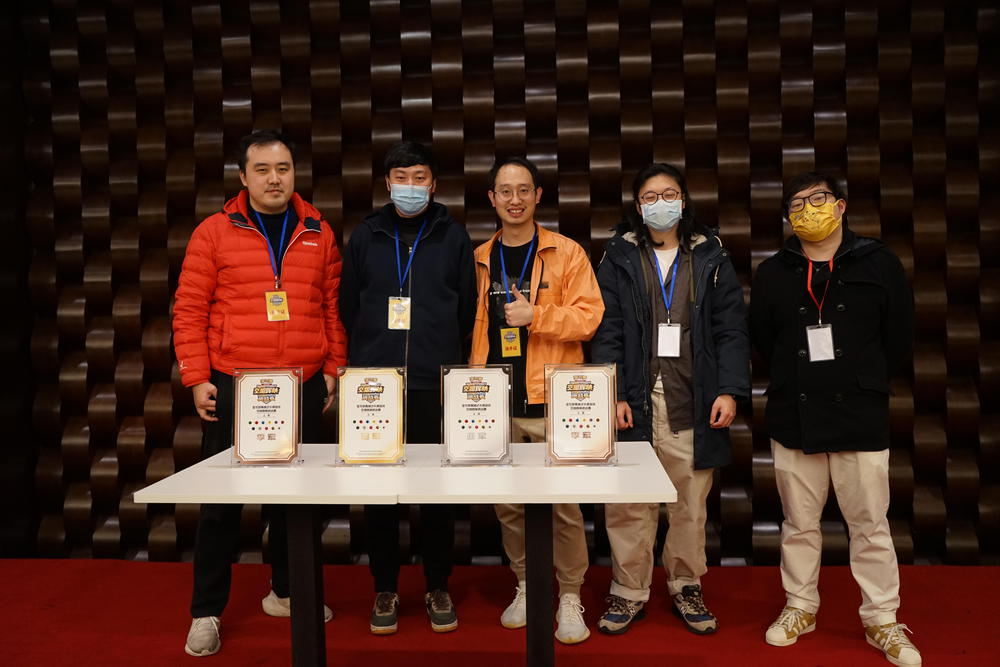
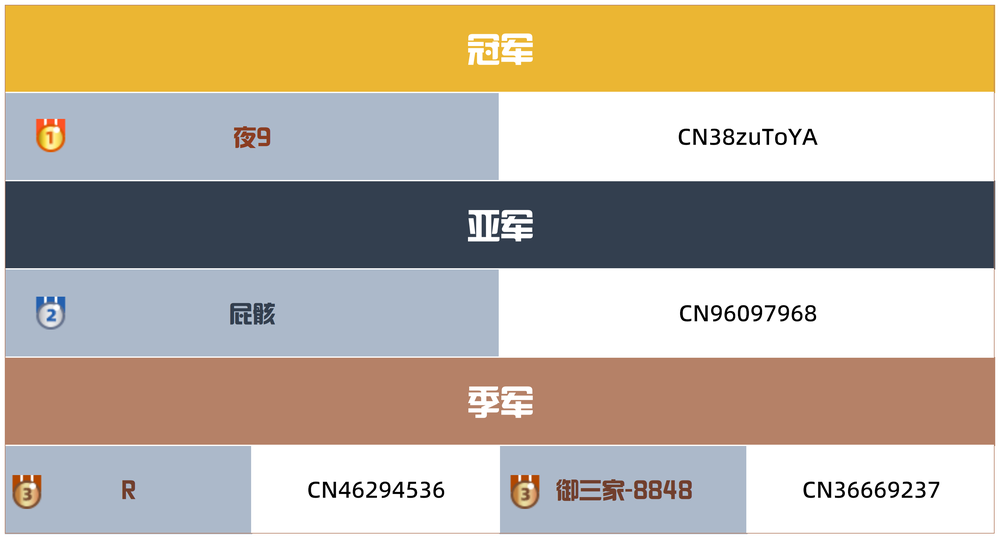
Guangzhou Number of participants: 228
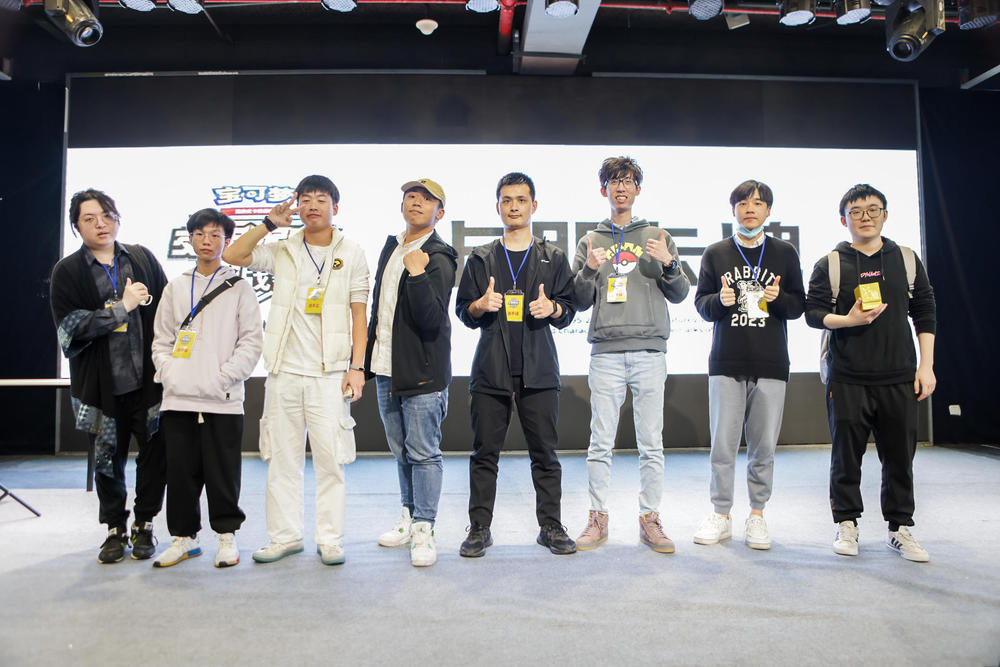
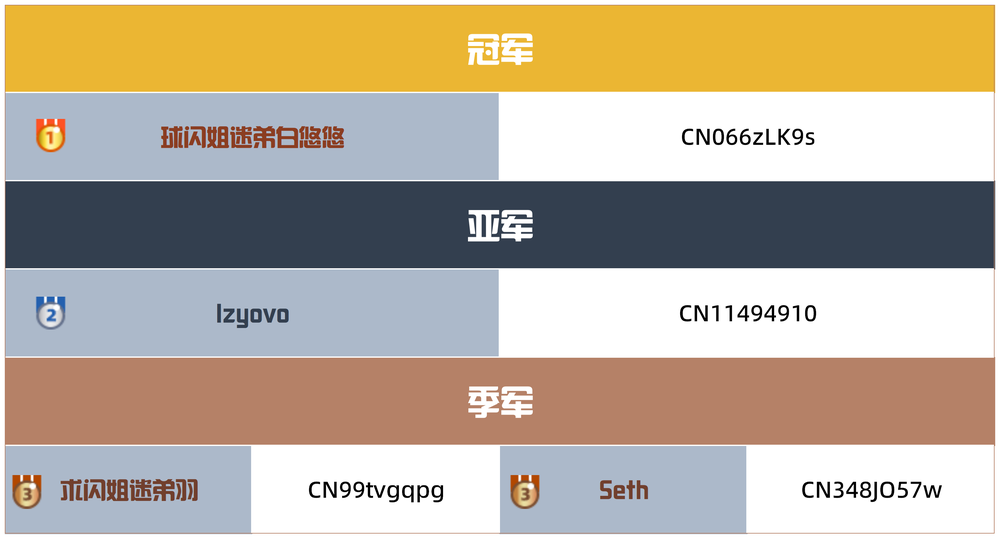
Xiamen Number of participants: 173
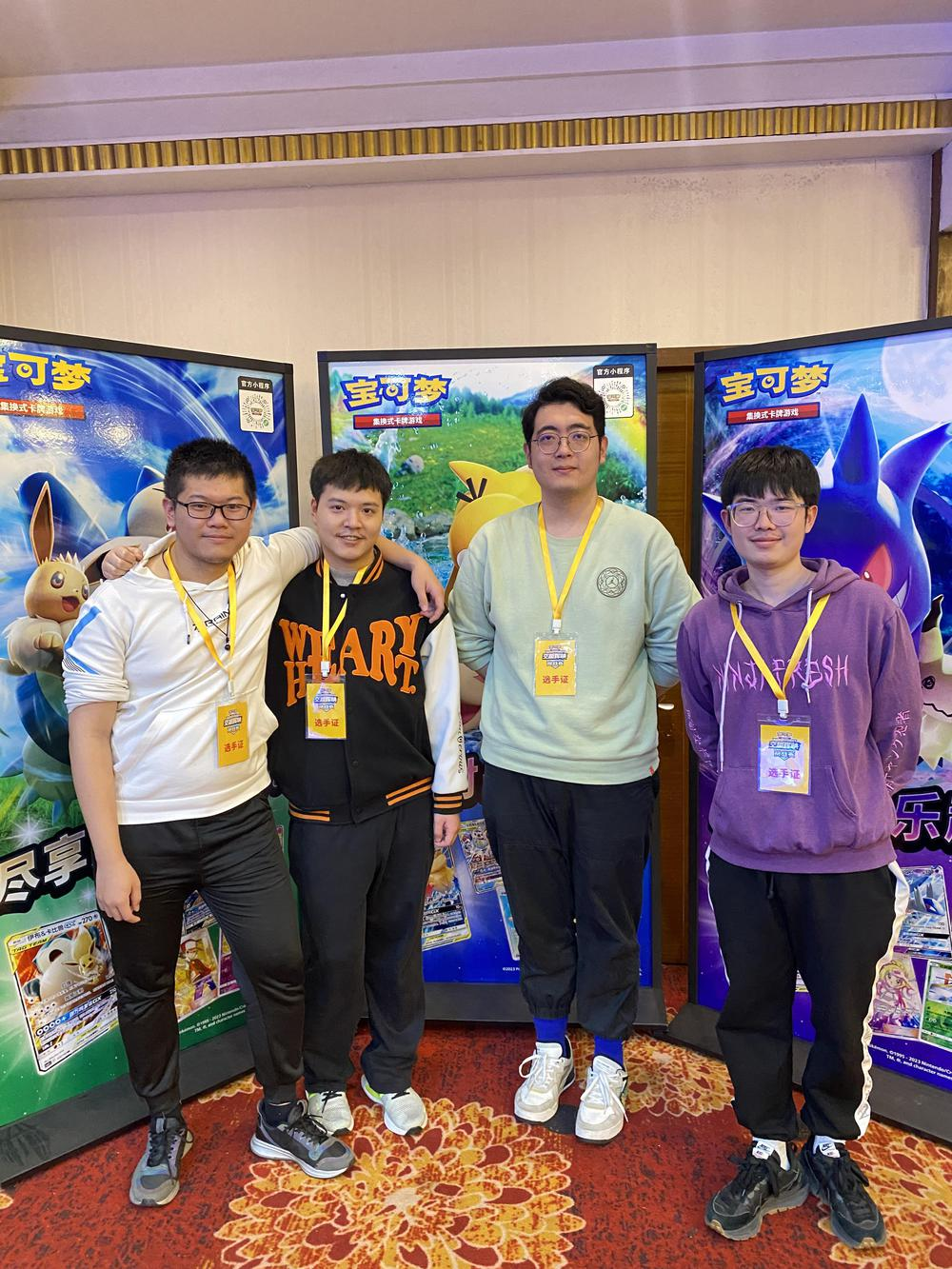
Chongqing Number of participants: 102
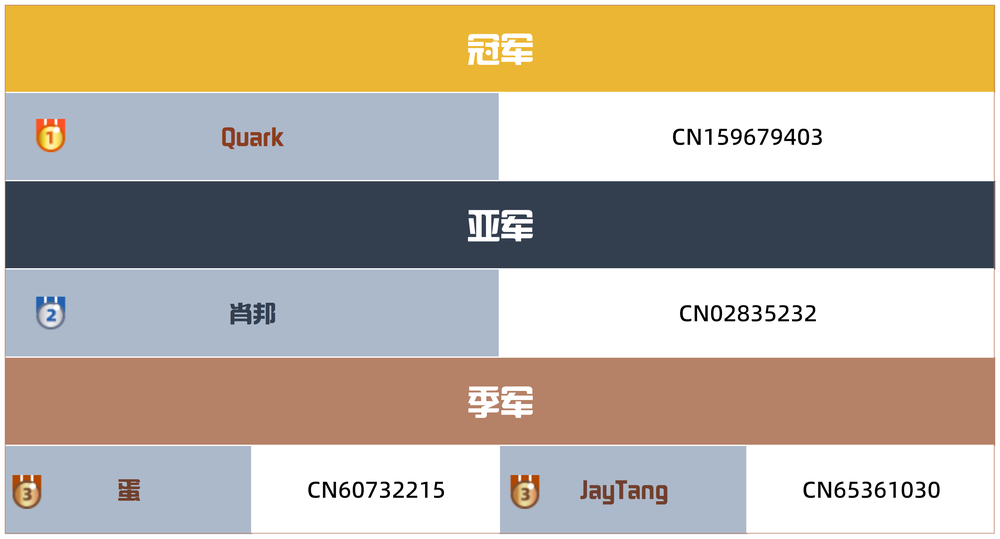
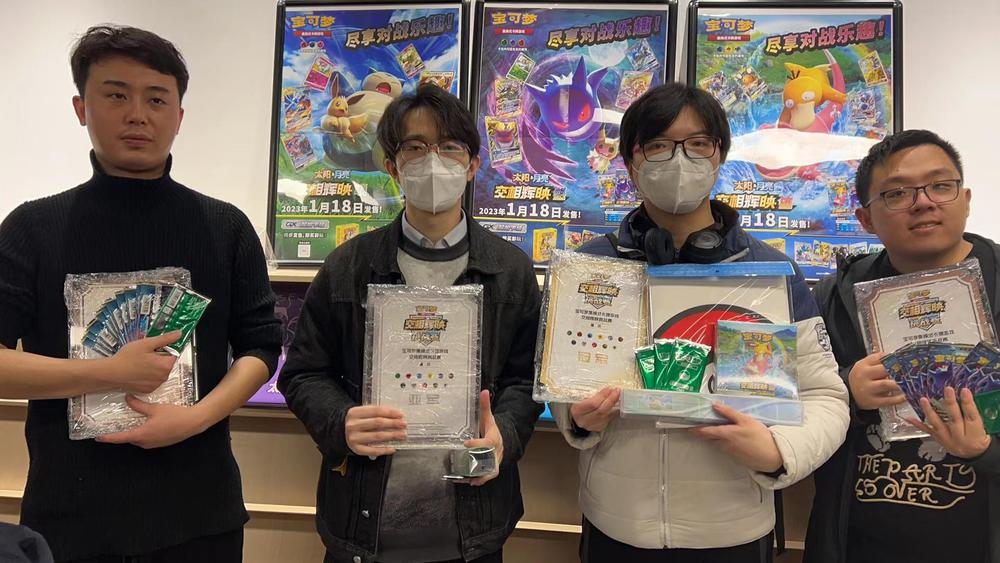
Beijing Number of participants: 284
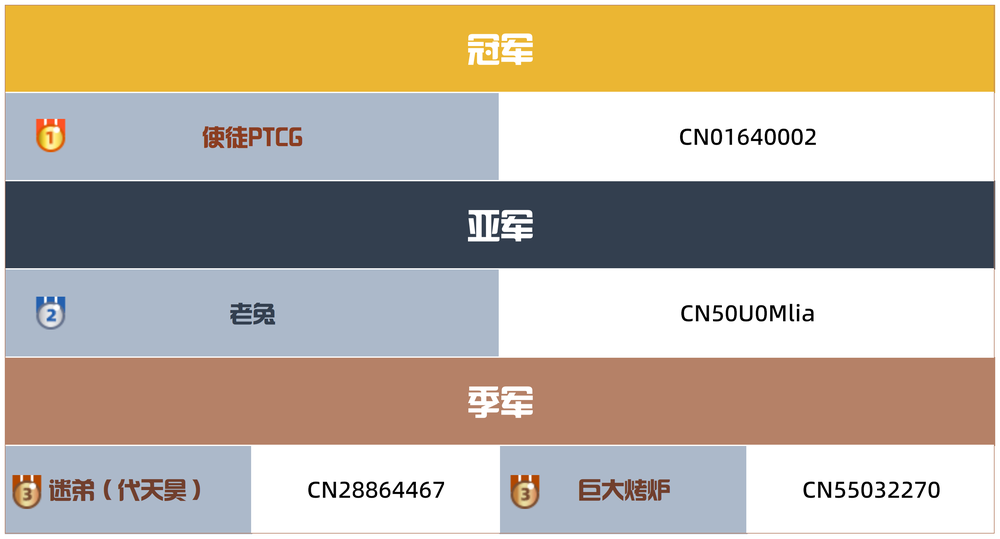
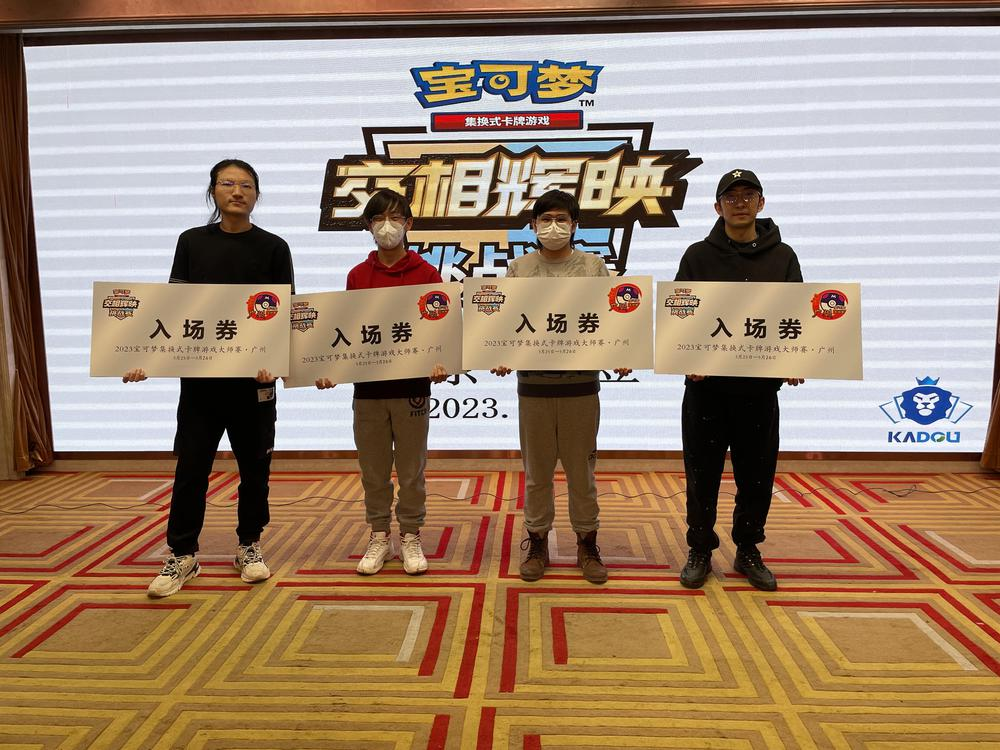
Tianjin Number of participants: 165
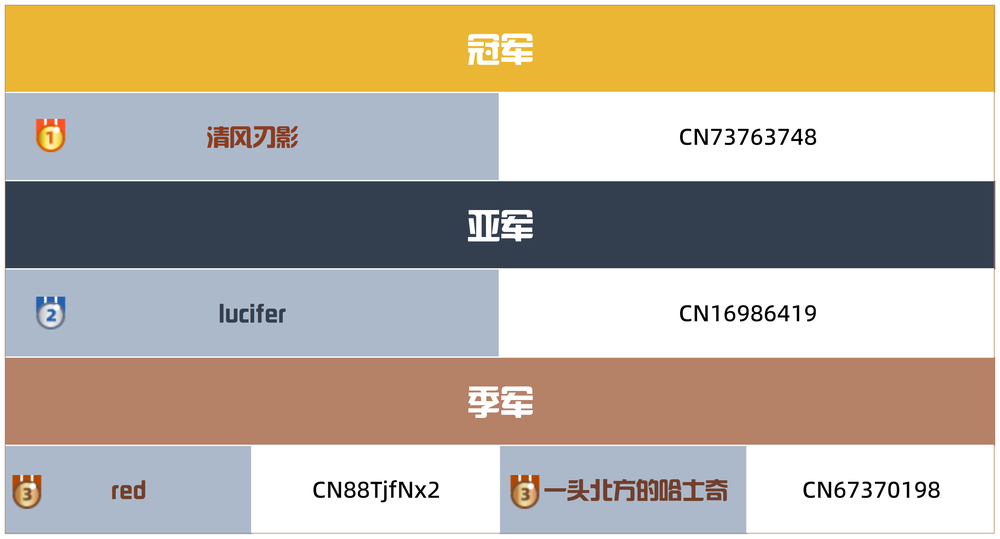
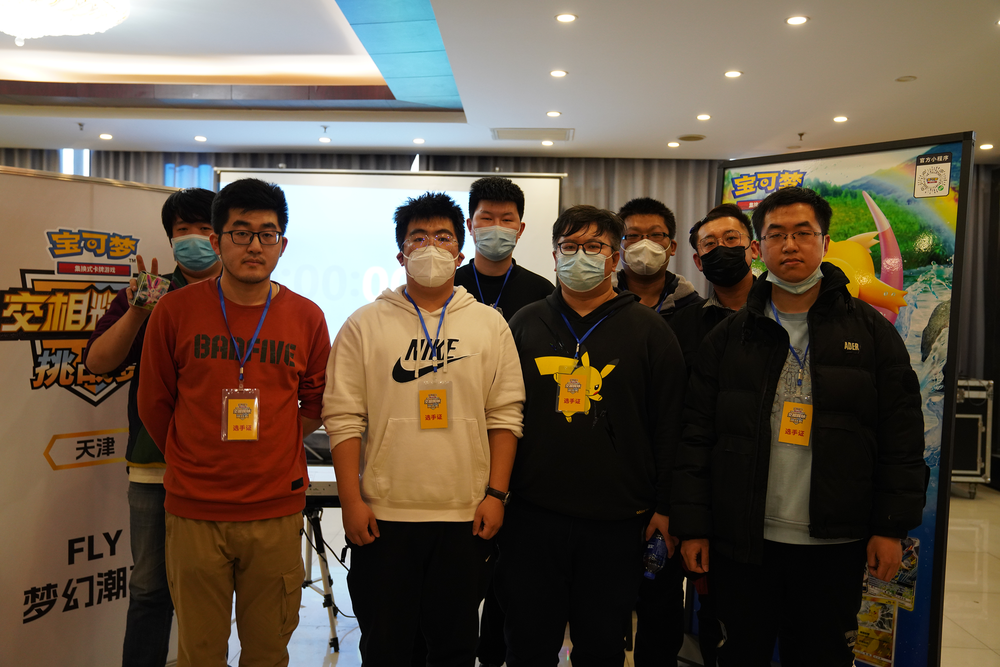
Shenzhen Number of participants: 340
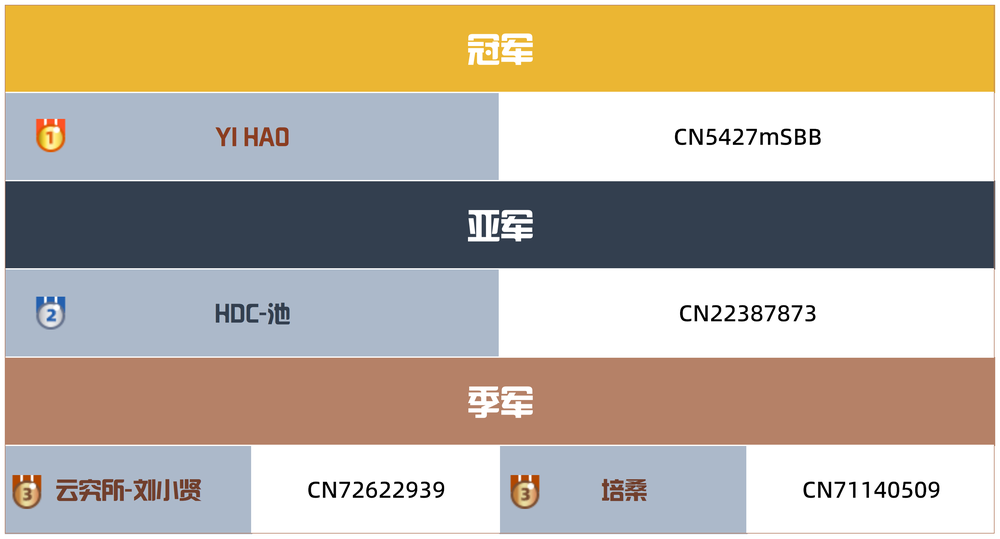
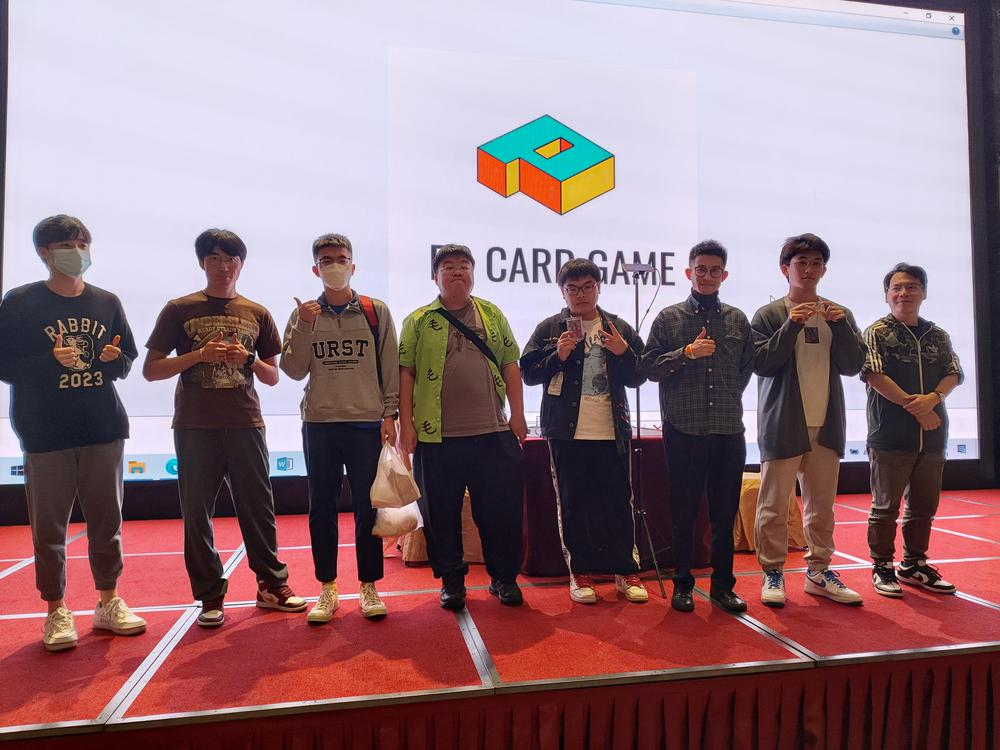
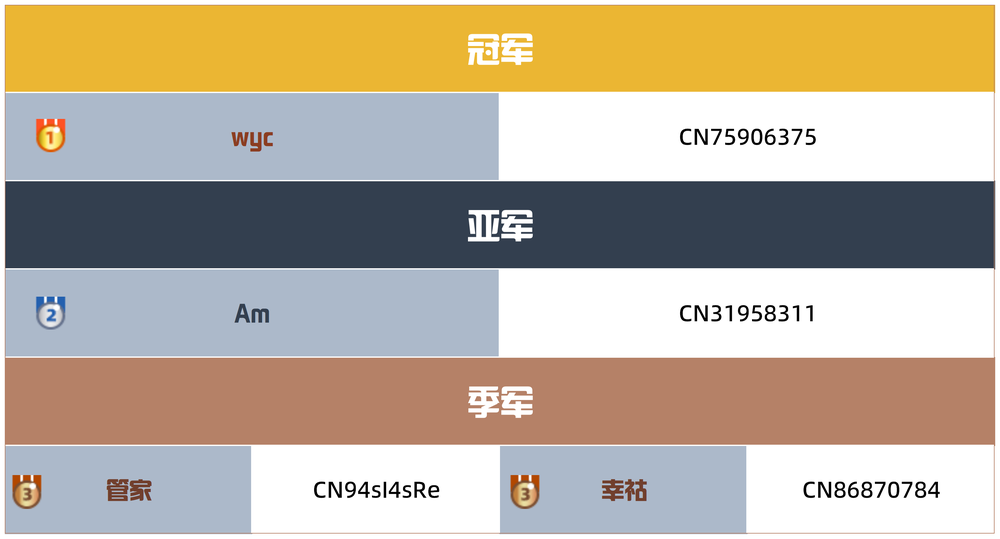
Wuhan Number of participants: 192
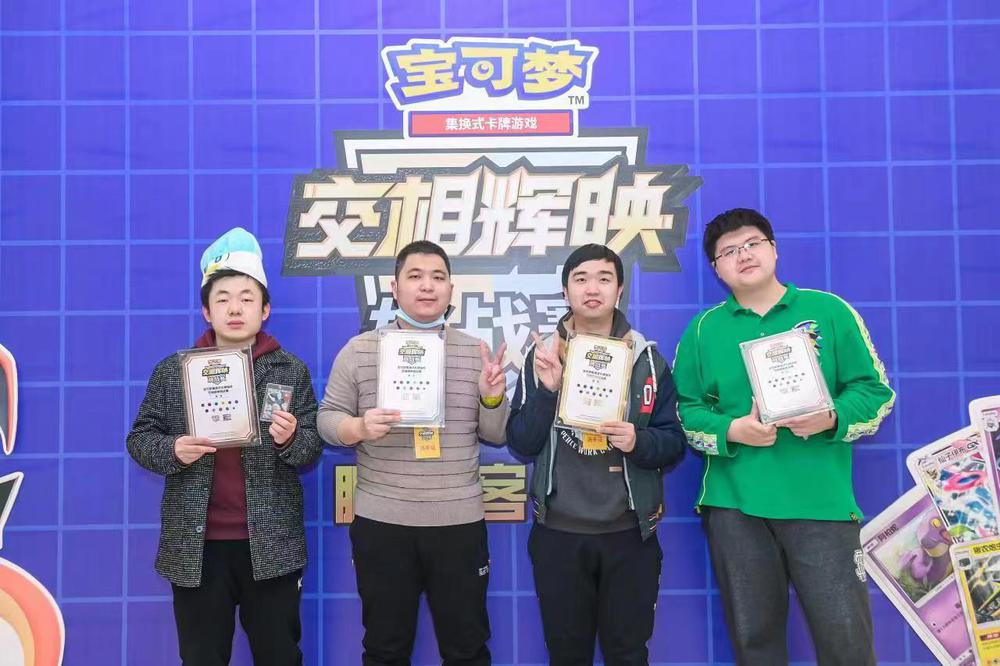
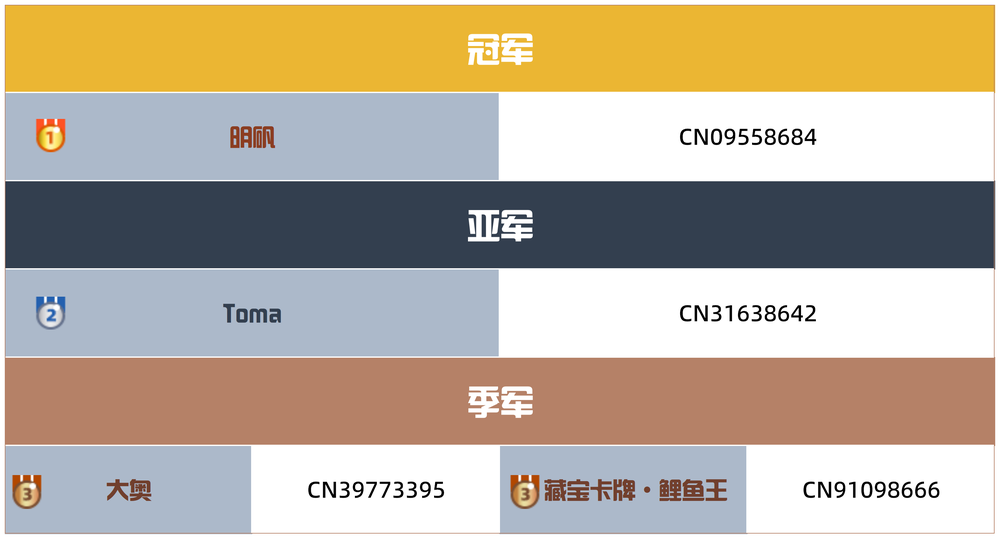
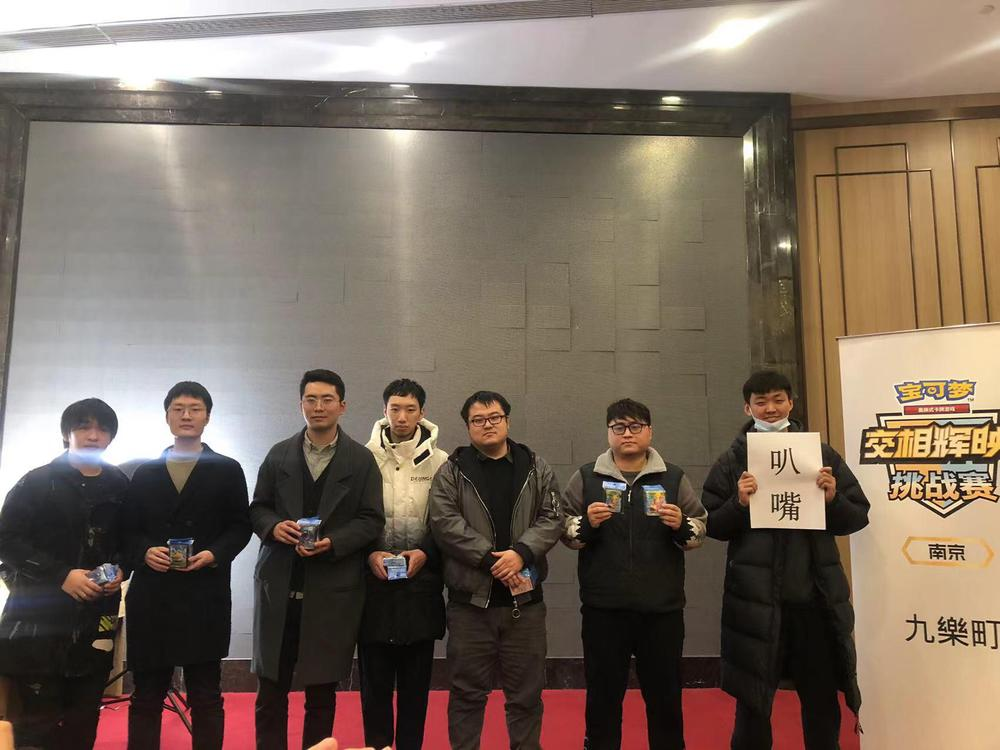
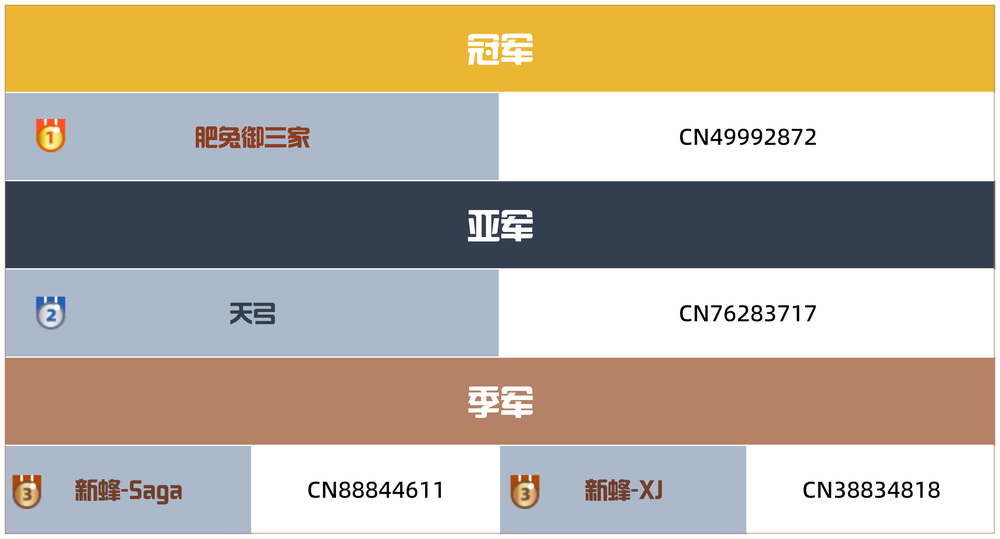
Nanjing Number of participants: 305
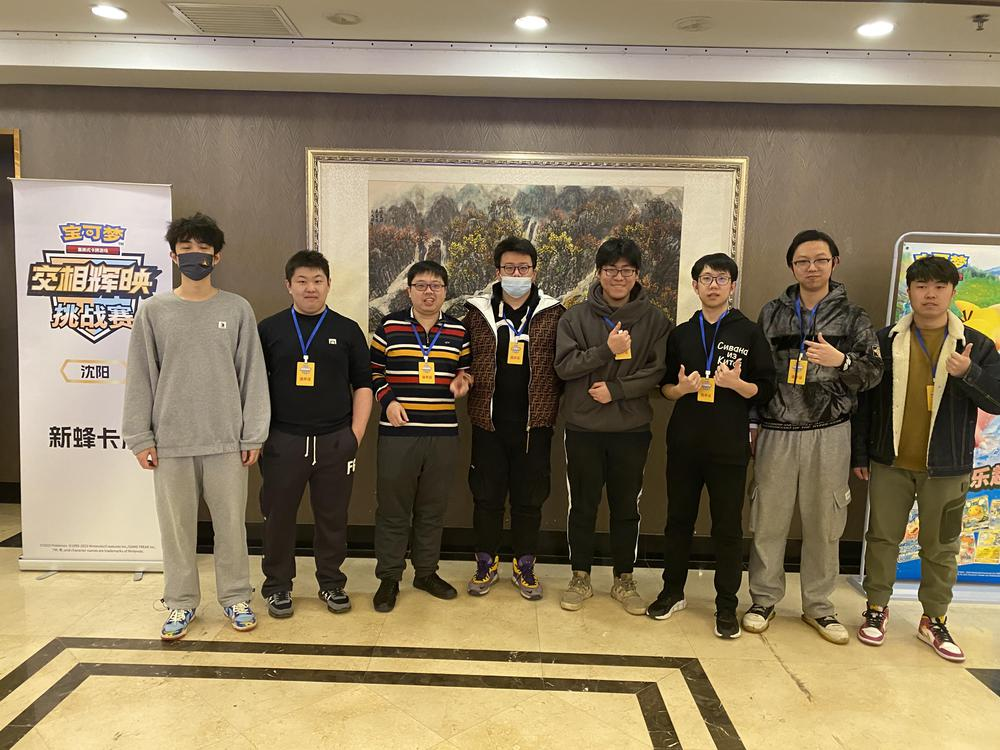
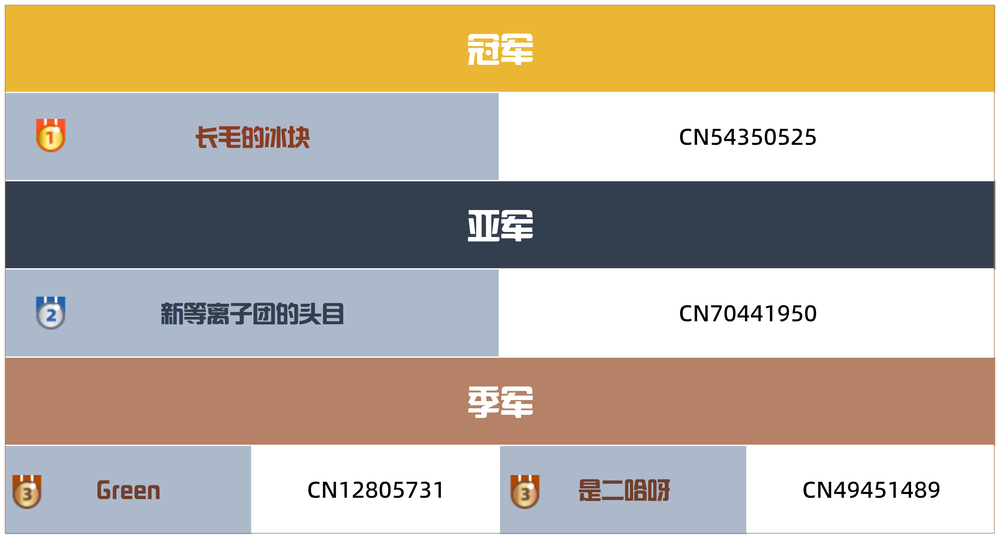
Shenyang Number of participants: 193
Week 2 (February 25-26, 2023)
Shanghai Number of participants: 394
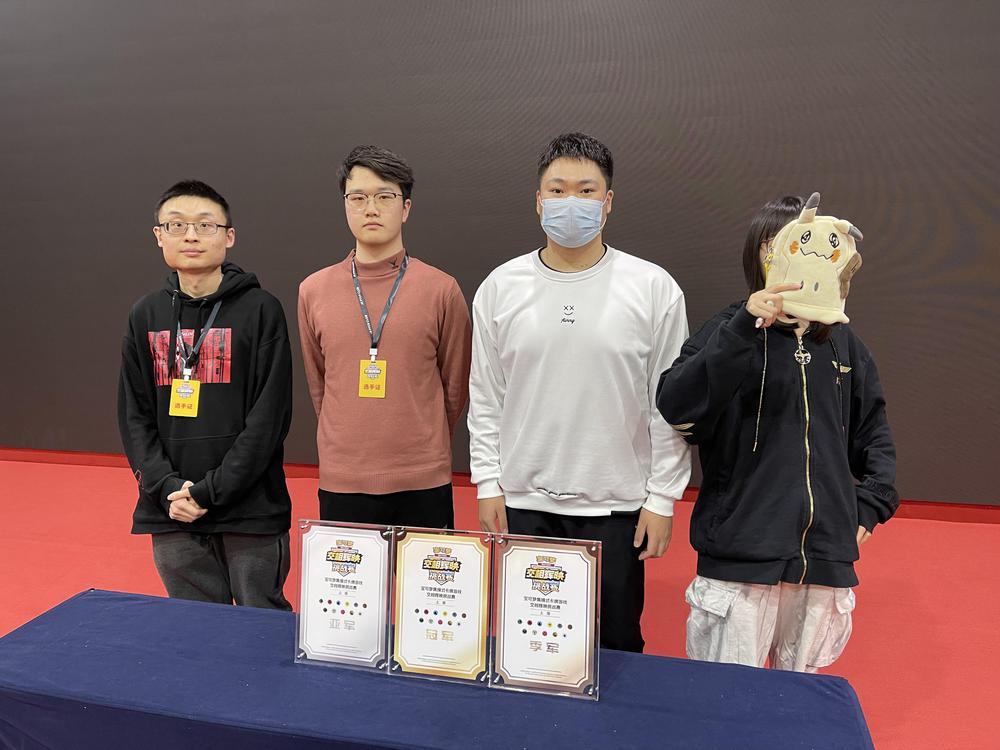
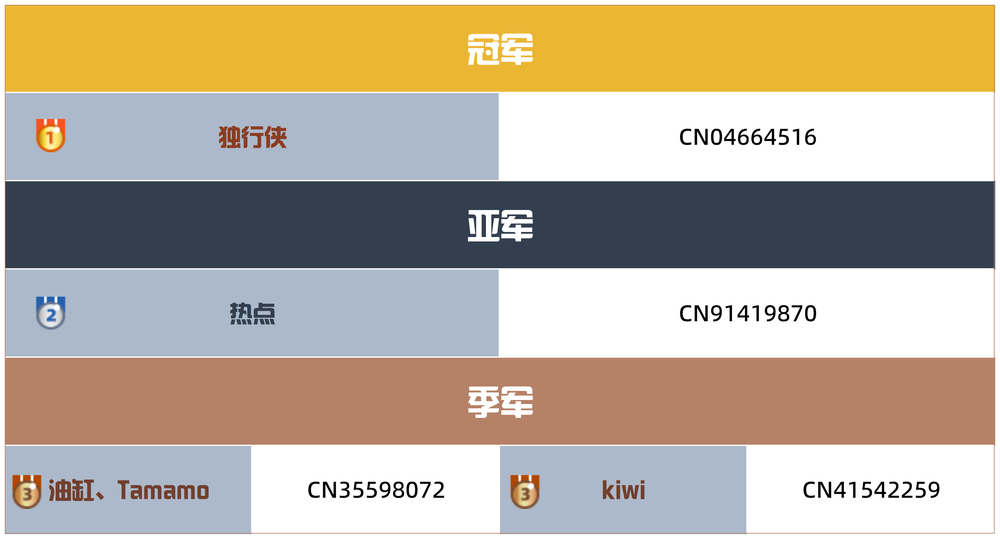
Beijing Number of participants: 427
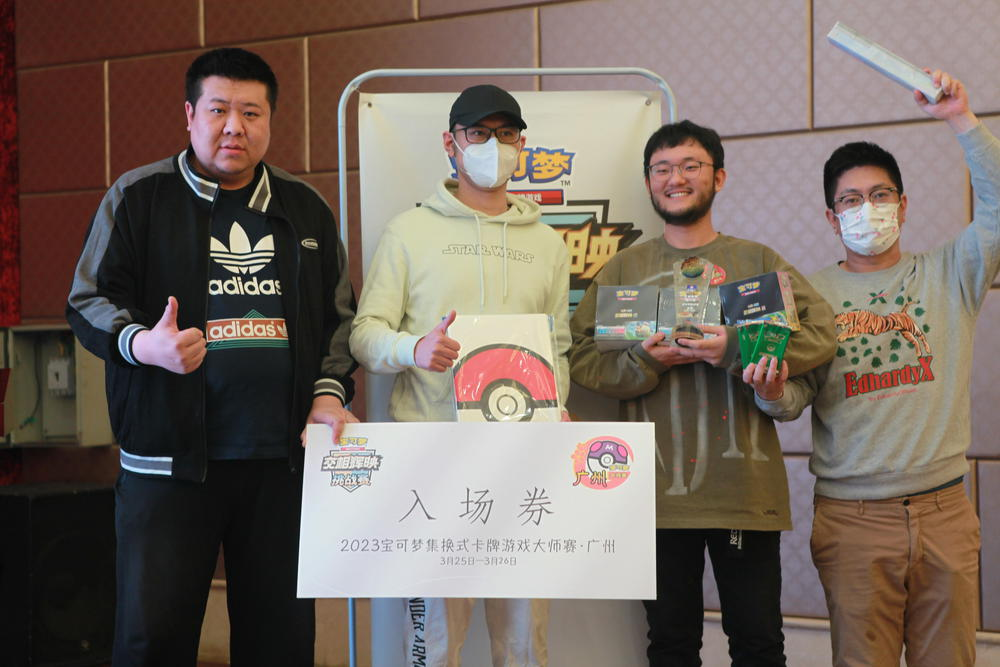
Shenzhen Number of participants: 238
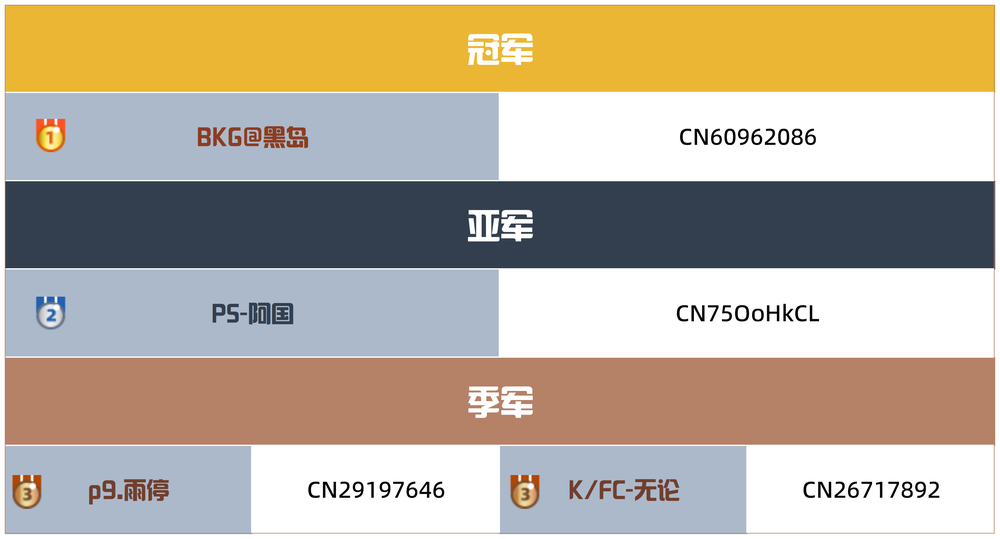
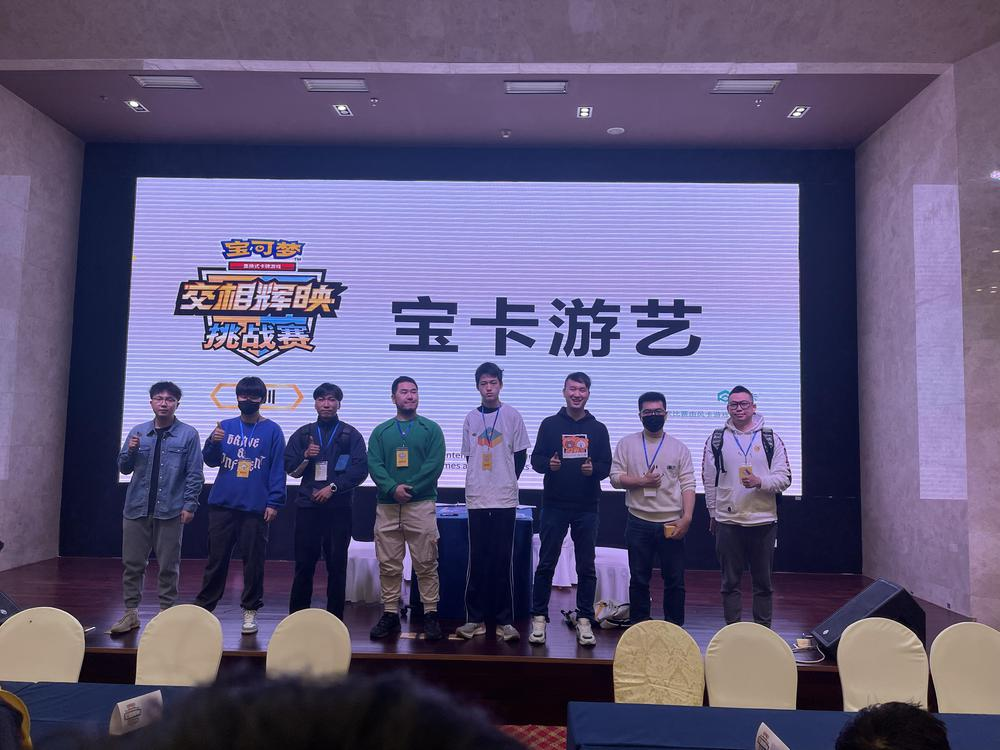
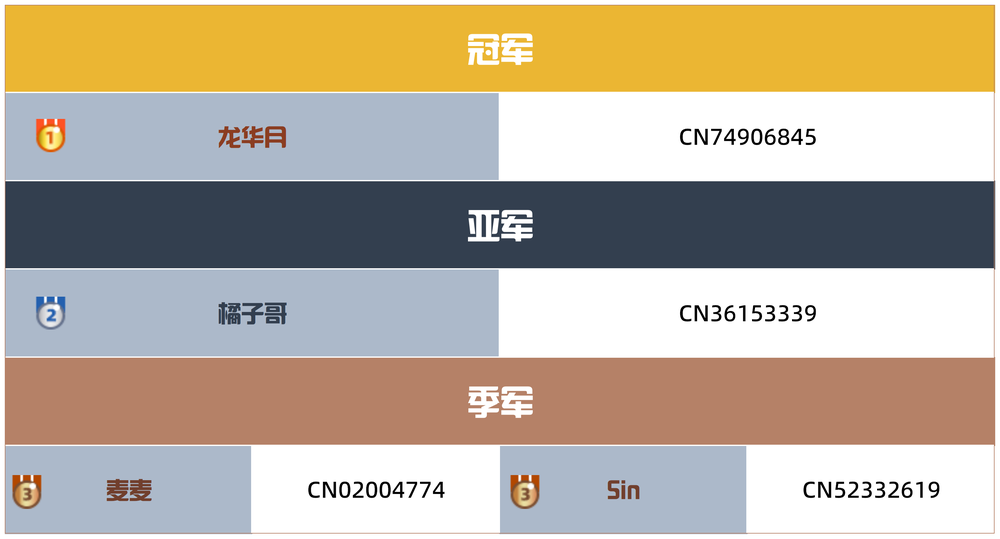
Chengdu Number of participants: 177
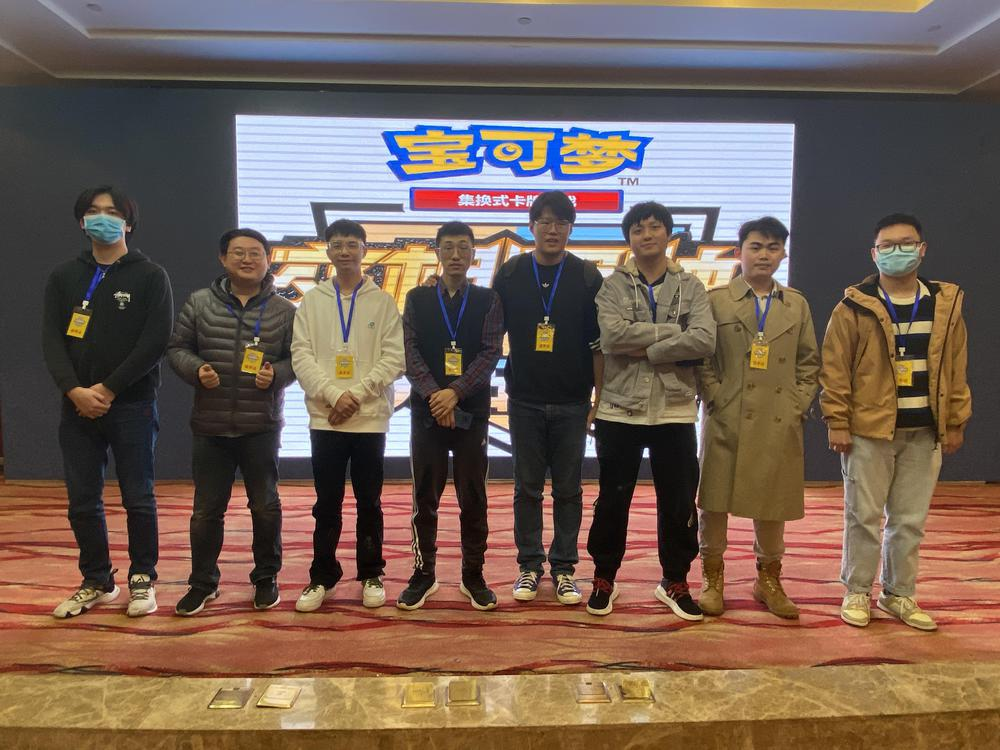
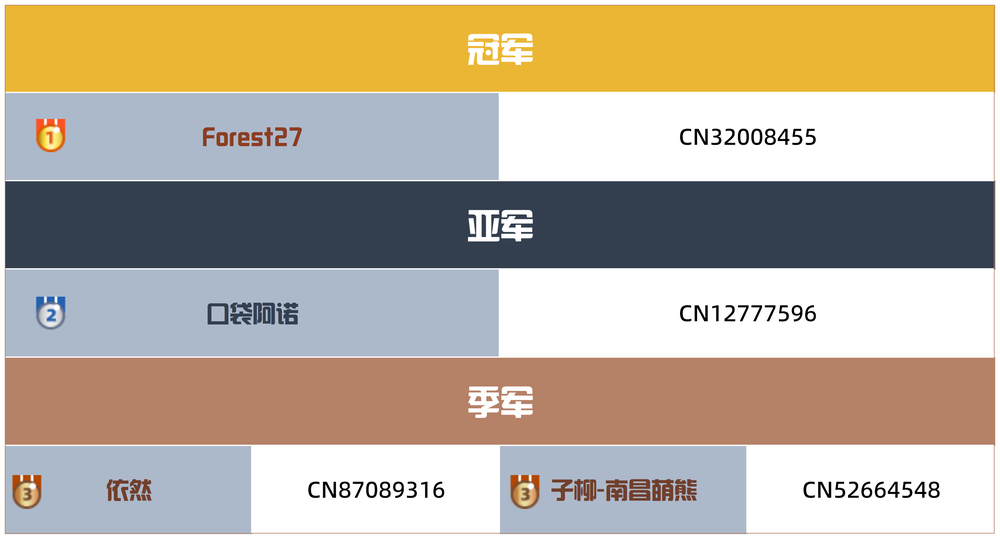
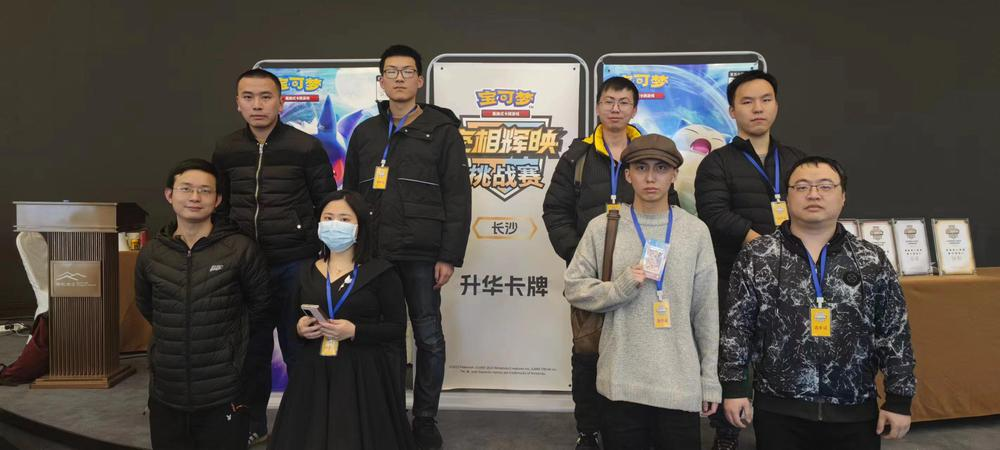
Changsha Number of participants: 141
Qingdao Number of participants: 126
Zhengzhou Number of participants: 144
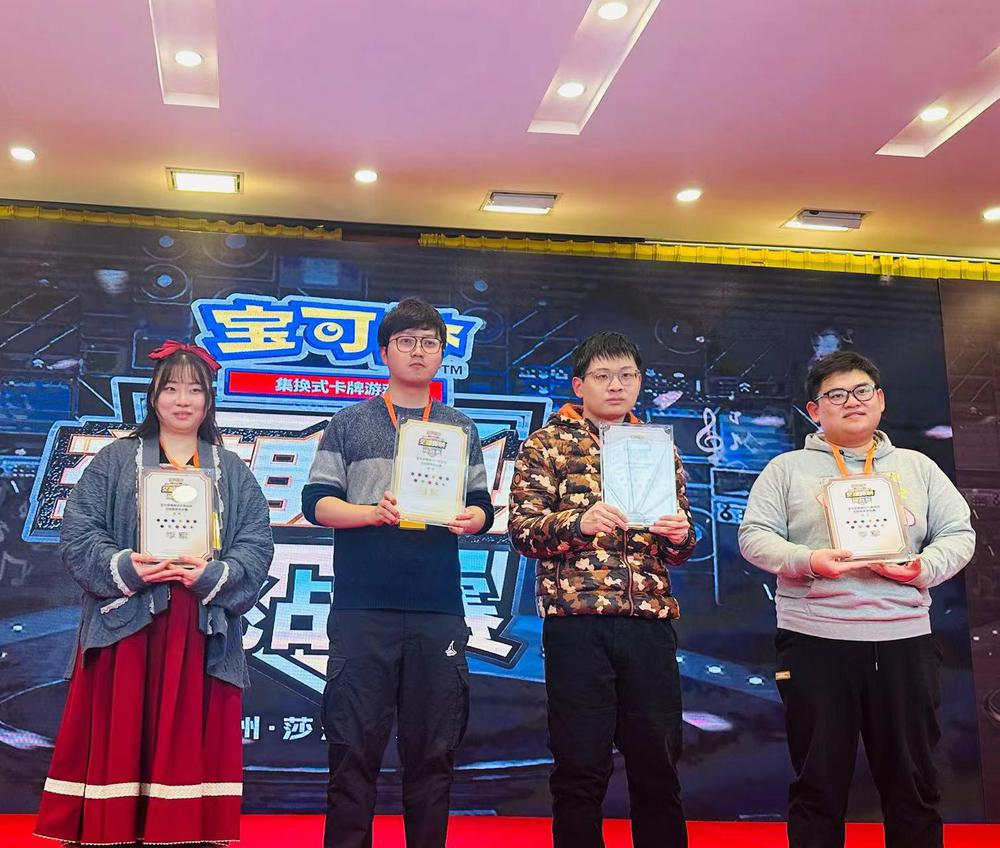
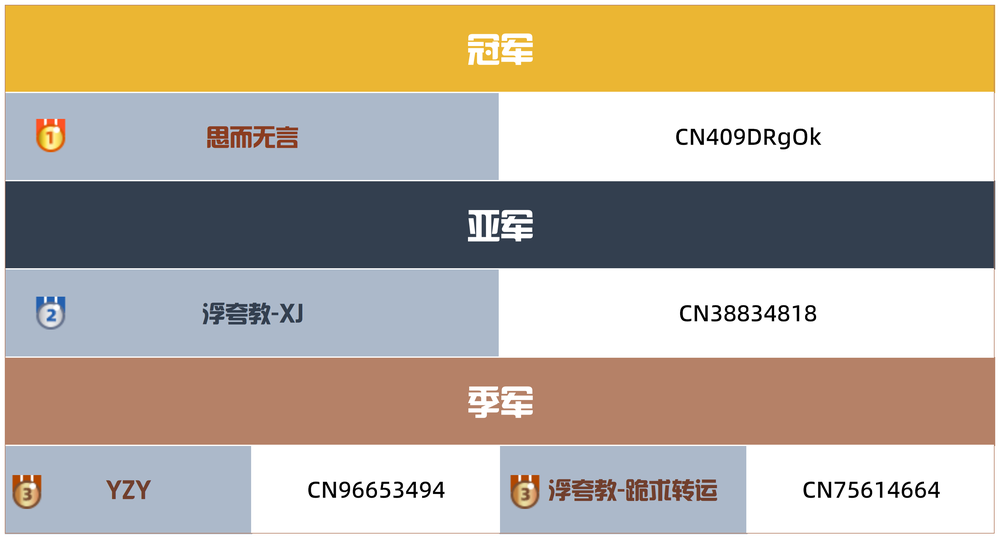
Changchun Number of participants: 119
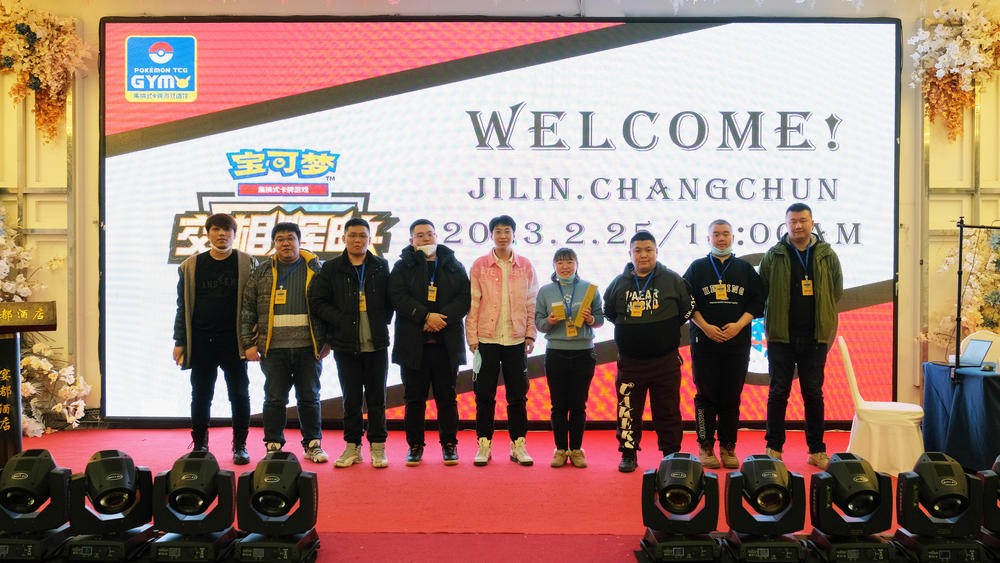
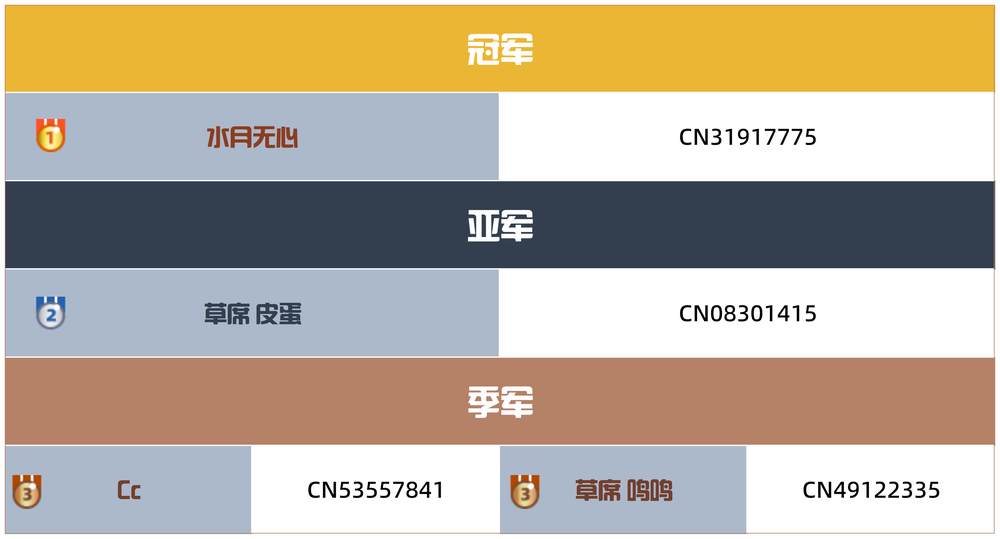
Hangzhou Number of participants: 300
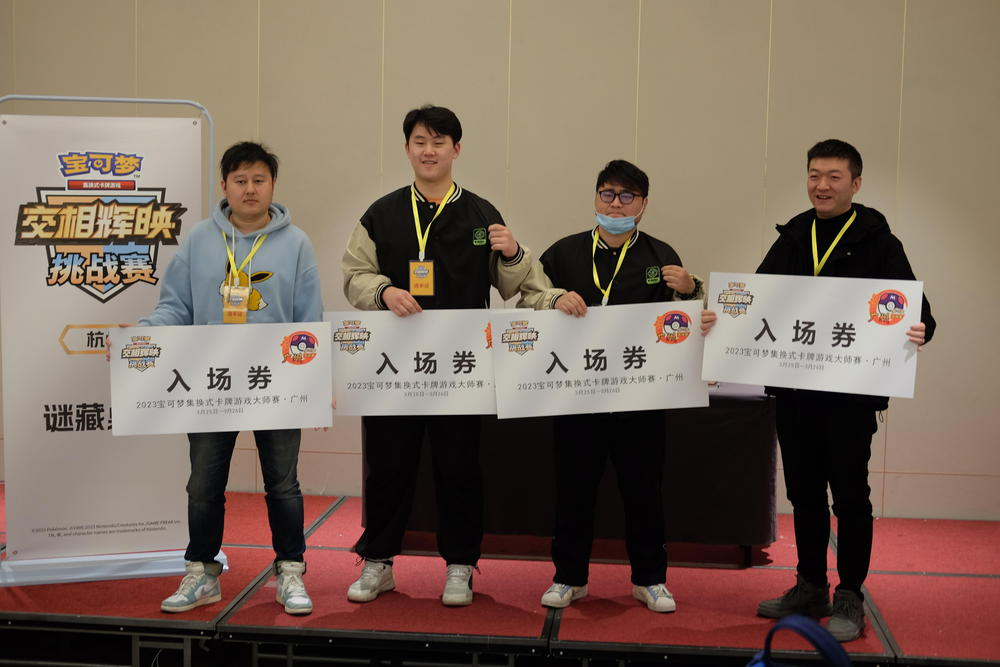
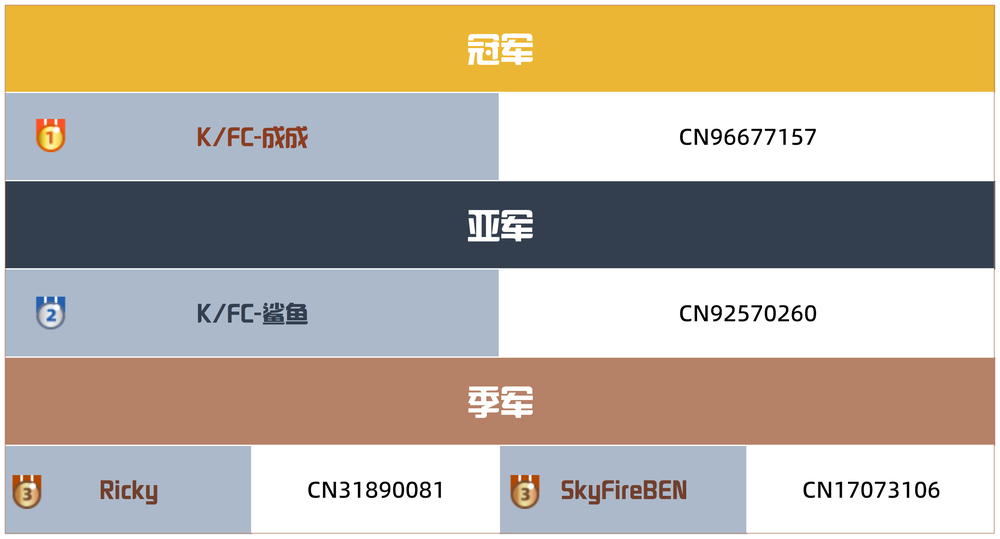
Guangzhou Number of participants: 324
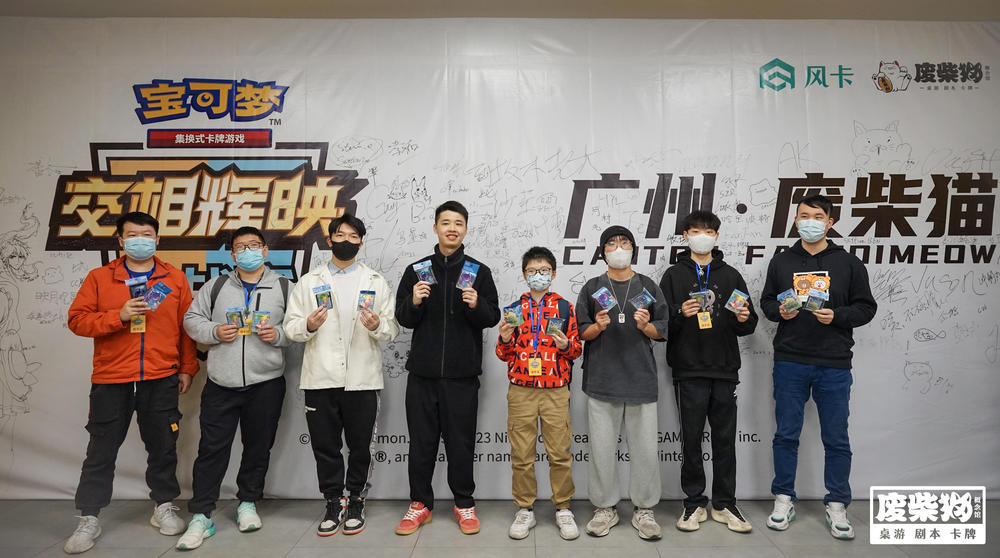
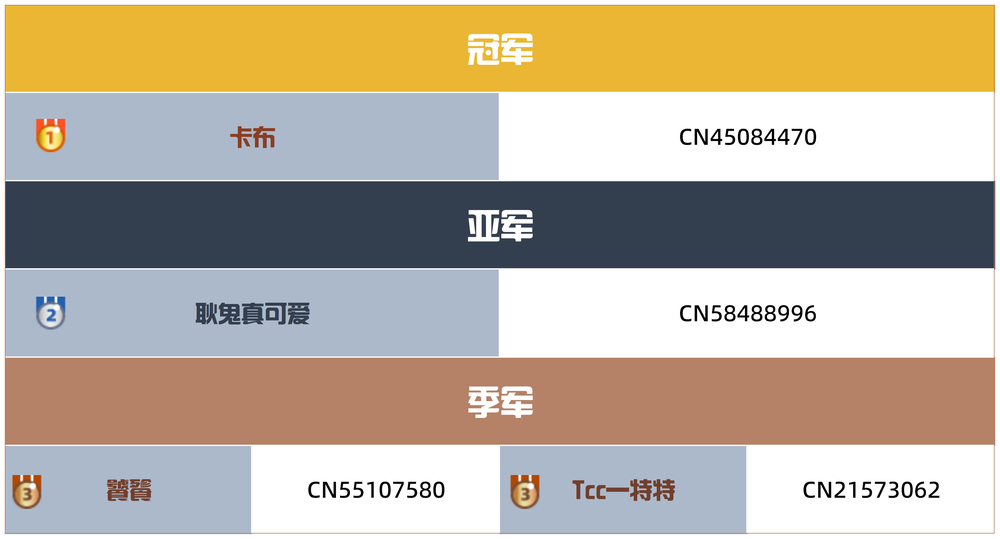
Tianjin Number of participants: 239
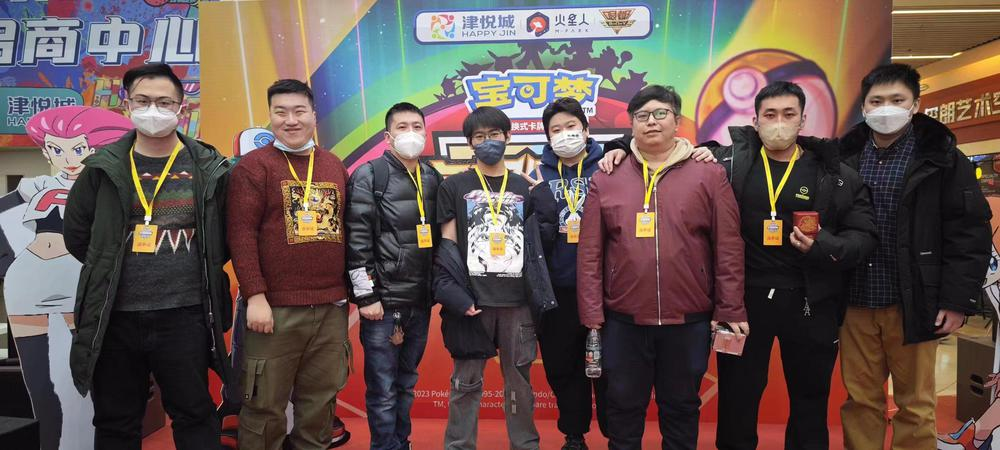
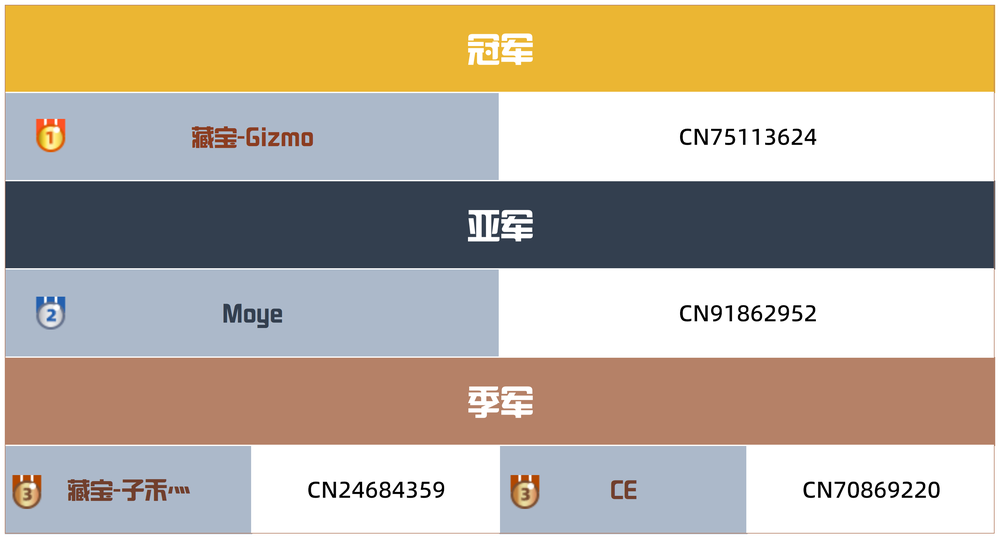
Nanjing Number of participants: 211
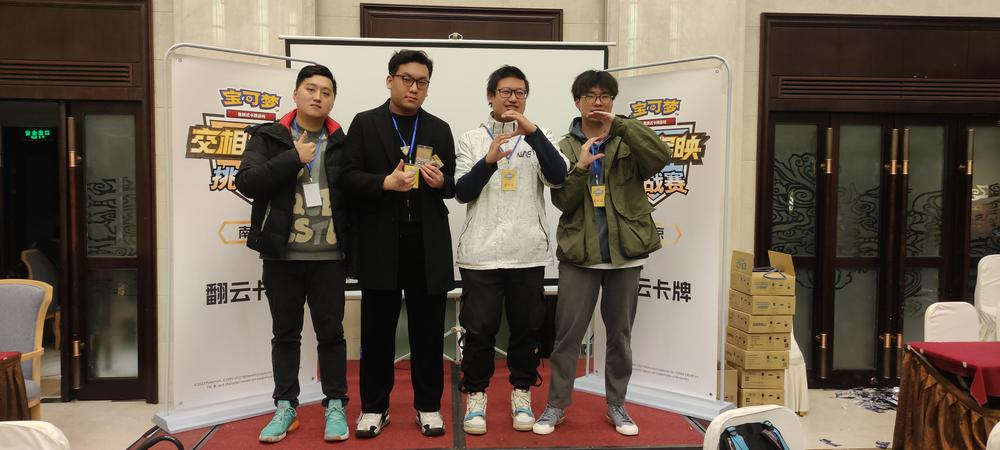
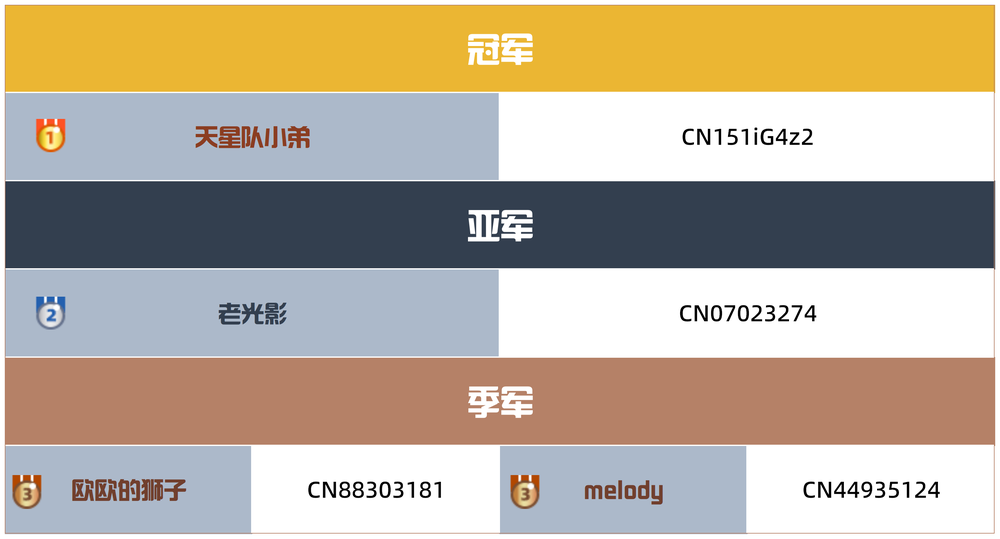
Suzhou Number of participants: 174
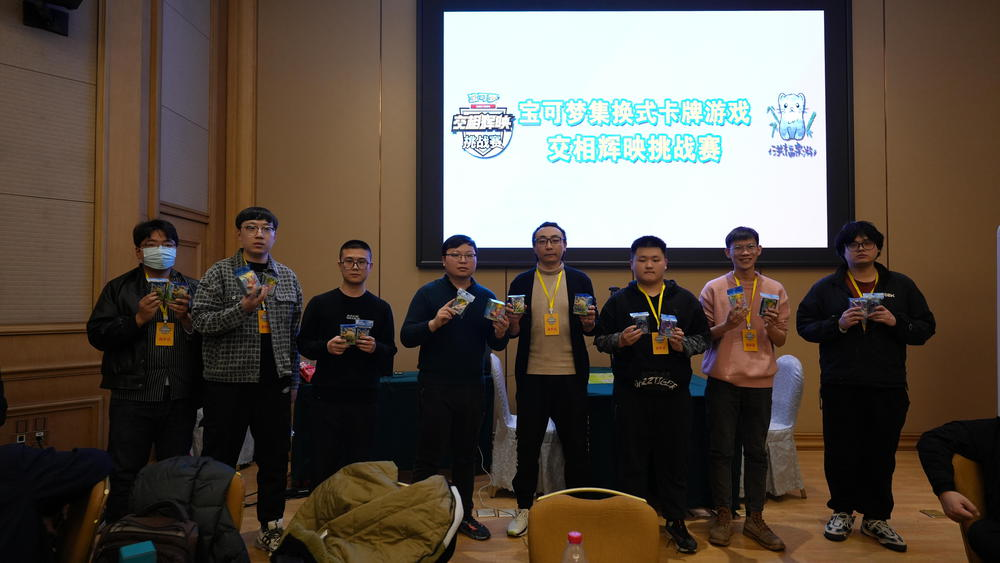
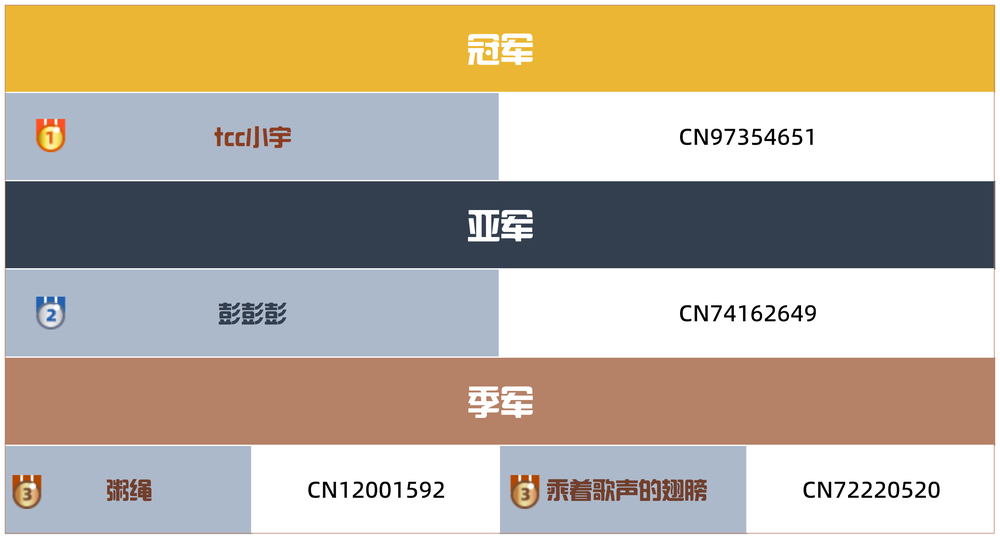
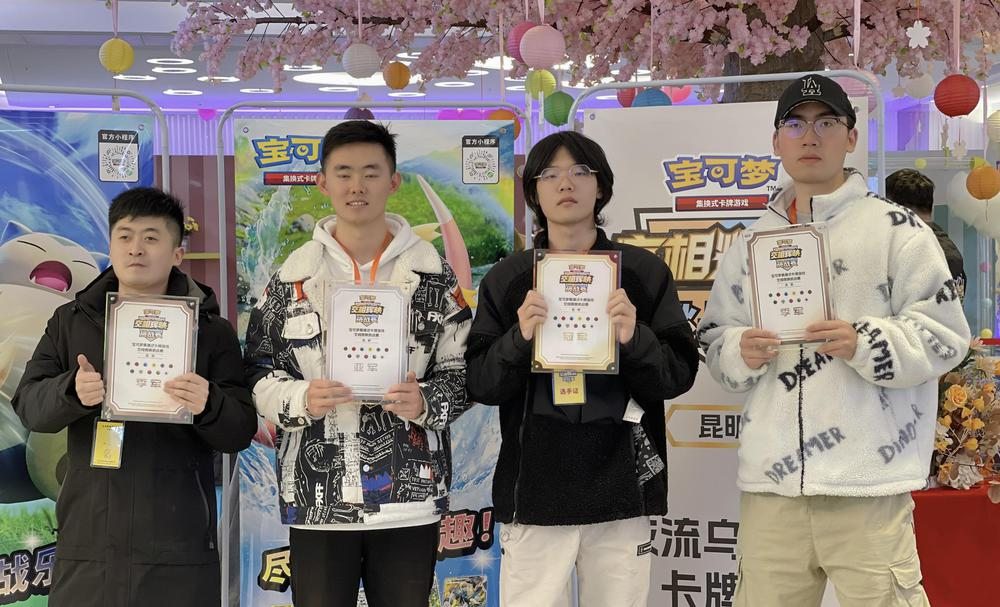
Kunming Number of participants: 77
Lottery (Open Group only)
Using the official “Pokémon Card Membership” WeChat mini program, Trainers could register for a participation opportunity via lottery. Selected winners would be notified by March 14, 2023. Up to 2000 trainers were selected via lottery, with highly-ranked players from the Radiance Challenges factored into that total.
On-site registration (Juniors & Children Groups)
Trainers who wanted to compete in the younger age groups had to go to the venue and register to compete on March 25, 2023. Juniors had 256 slots on a first come, first-serve basis.
On-site registration was available for the Open Group as well if there was room day-of.
Tournament Structure
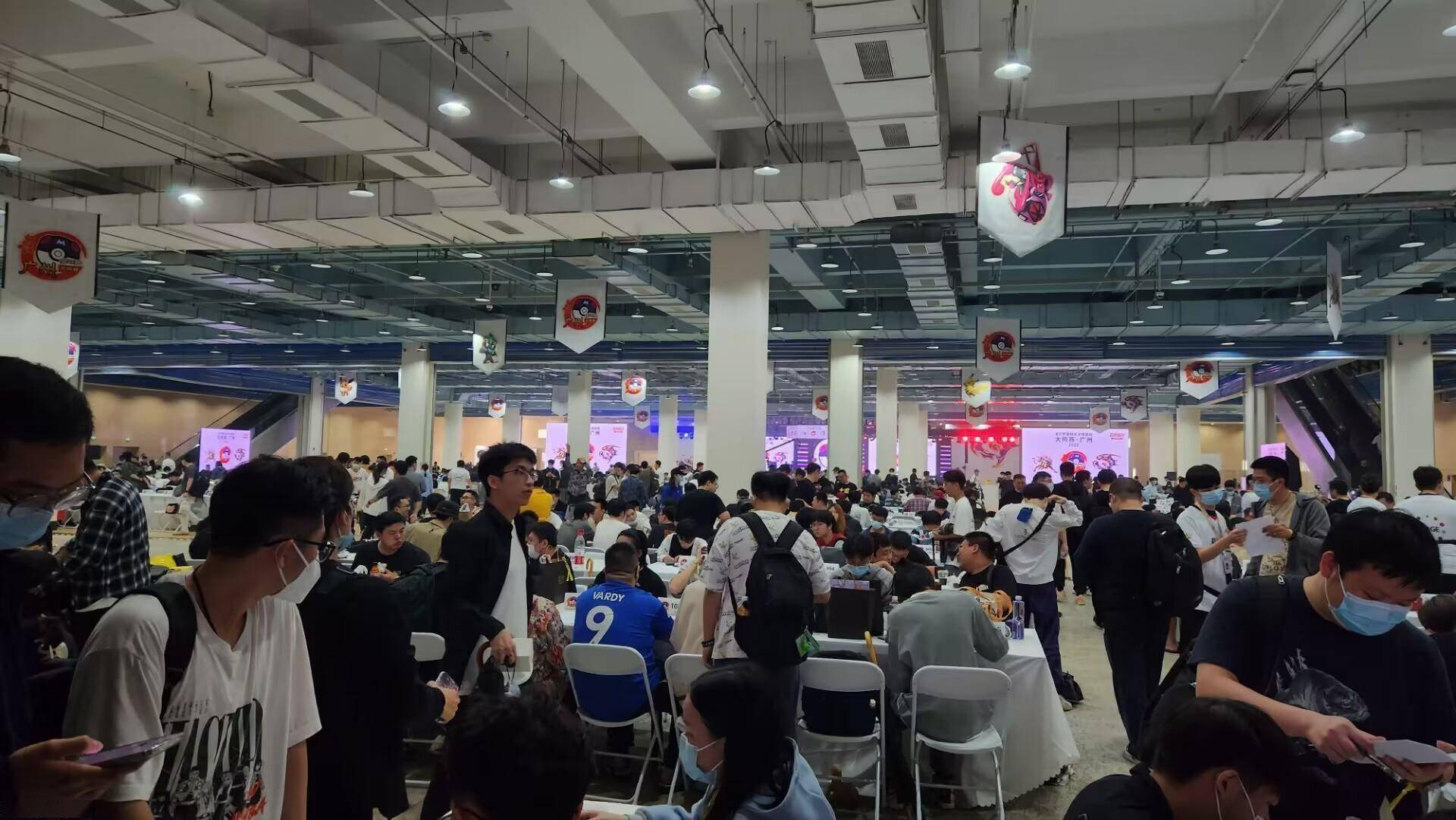
The tournament was divided into 2 main segments, the initial “qualifying round” stage and the main competition. For the Open Group, the qualifying round took place on June 23-24, and for the two younger age groups they took place on the same day of the main competition on June 24.
Schedule
Open Group
Qualifying Round
- March 25, 2023 (Saturday)
- Admission (Online registration for trainers): 9:00~10:00
- On-site registration: 10:00~10:30
- Competition: 10:30~18:00
Main Competition
- March 26, 2023 (Sunday)
- Admission: 9:00~10:00
- Competition: 10:00~17:30
Junior Group
- Registration/Admission: 9:00~10:00
- Competition: 10:00~17:30
Children’s Group
- Registration/Admission: 10:00~14:30
- Competition: 12:00~17:30
Format
The tournament used the standard competition format, with 60-card decks and 6 prize cards. Players would have to fill out a paper form to register their decklists. In future tournaments this would be replaced by a dedicated WeChat mini program.
Qualifying Round
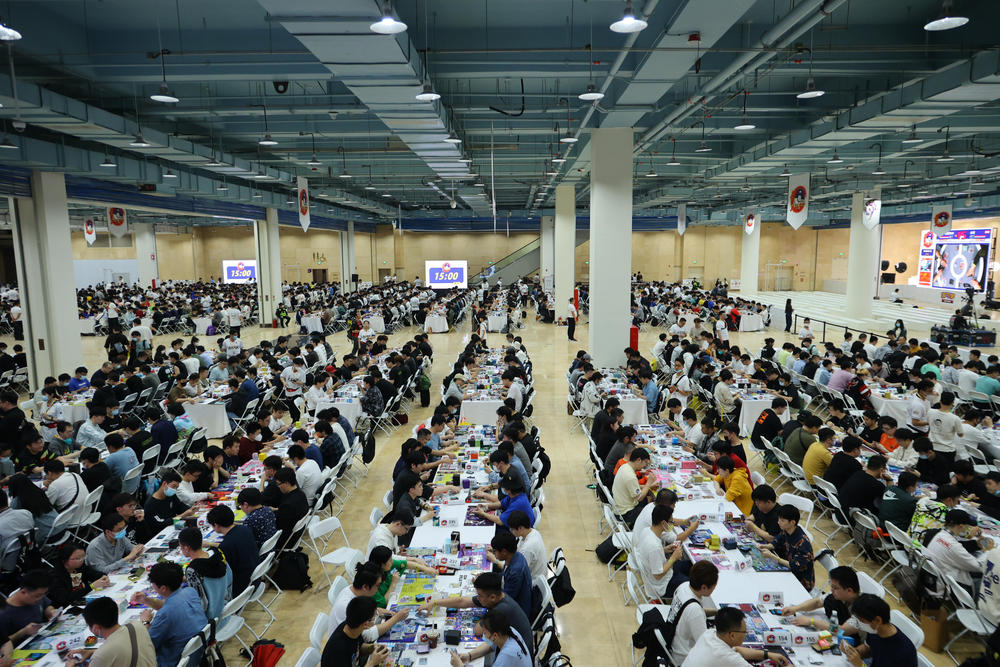
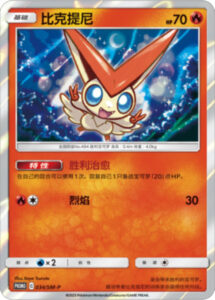
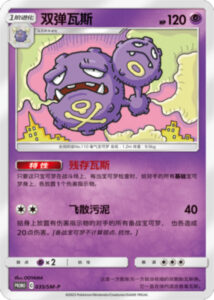
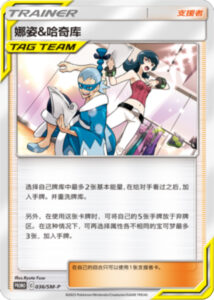
The qualifying round was played on March 25 by trainers in the Open Group age divisions. Juniors and Childrens Groups would play both their qualifying round and main competition on March 26. All participants of the preliminary tournament received a sealed booster pack containing one of 3 cards:
In the Open Group, all players would play 25 minute best-of-one Swiss rounds with a maximum of 12 rounds (8 rounds first day, 4 rounds second day). Trainers who win 4 or more games in the first day would advance to the second day. Based on the total scoring, the top 16 players in the Open Group would advance to the knockout stage.
In the Juniors Group, all players would play 25 minute best-of-one Swiss rounds with a maximum of 6 rounds. Based on the total scoring, the top 8 players in the Juniors Group would advance to the knockout stage.
While the Open and Junior Groups utilized a swiss tournament system in the preliminaries, the Children Group utilized a “Victory Breakthrough system” instead. In this system, each game was a best-of-1 match. The competition had 0 win zone, 1 win zone, 2 win zone, and 3 win zone. Each participating trainer started from the 0-win zone. According to the accumulated number of wins, the trainer would advance to the corresponding zone for battle. The first 8 who entered the 3 win zone would advance to the knockout stage.
In the event of a tie, ranking was determined based on independent match calculations.
Wins would award 3 points, and losses 0 points. There were no draws. If a winner was not determined at the end of the game’s overtime turns, both players would lose the game.
Based on their performance, players in this stage would receive a Rare Candy promo card stamped with the event logo.
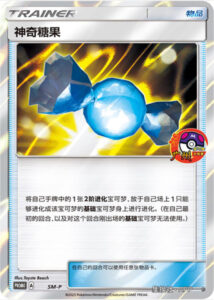
- Open Group: 5 wins or more in the qualifying round
- Junior Group: 3 wins or more in the qualifying round
- Children’s Group: 3 wins or more in the qualifying round
Knockout stage
The knockout stage was a single-elimination tournament. Each round was played as a best-of-1 match for 35 minutes
There was a complex system for tiebreakers in the Knockout stage. The player with the fewest prize cards remaining would be the winner at the end of game time, but if both players had the same number remaining, the follow rules would be followed:
Tiebreaker system
1. If the winner has not been determined at the end of the game time, the game will continue as follows:
1.1 If it is the turn of the first attacker in the current match, the game will continue, and after the current turn, the second attacker will be given an additional turn, and no additional turns will be given thereafter.
1.2 If it is the turn of the second attacker in the current match, the game will continue until the end of the current turn, and no additional turns will be added.
※Pokémon inspection is not included.
2. If the winner is still undecided at the end of the specified time, the winner will be determined or the game will continue according to the following situations:
2.1 If the first match is still undecided:
2.1.1 If the two teams have different numbers of Reward Cards required to win, the team with the fewer Reward Cards required to win wins the game.
2.1.2 If both parties have the same number of Reward Cards required to win, the game will continue until one party reaches the winning condition, or the number of Reward Cards required to win by one party is less than that of the other party, and that party wins the game.
2.1.3 If both players reach the game victory conditions at the same time after continuing the game, resulting in a draw, an additional point-grabbing match with only one reward card will be held, and the winner of the point-grabbing match will win the game.
2.2 If the second match is still undecided, and both sides have more than or equal to 3 Reward Cards to win, the second match is considered a draw, and the winner of the first match wins the match.
2.3 If the second match is still undecided, and one (or both) of the two sides has less than or equal to 2 Reward Cards to win:
2.3.1 If the two teams have different numbers of Reward Cards required to win, the team with the fewer Reward Cards required to win wins the second match.
2.3.2 If both parties have the same number of Reward Cards required to win, the game will continue until one party reaches the winning condition, or if one party has fewer Reward Cards required to win than the other party, then that party wins the second game.
2.3.3 If both players reach the game winning conditions at the same time after continuing the game and the game ends in a tie, an additional point-scoring match with only one reward card will be played. The winner of the point-scoring match will win the second match.
2.3.4 If both teams have 1 win in this game due to 2.3.1, 2.3.2, or 2.3.3, an additional point-scoring game with only 1 reward card will be played. The winner of the point-scoring game wins the game.
2.4 If the third match is still undecided:
2.4.1 If the two teams have different numbers of Reward Cards required to win, the team with the fewer Reward Cards required to win wins the game.
2.4.2 If both parties have the same number of Reward Cards required to win, the game will continue until one party reaches the winning condition, or the number of Reward Cards required to win by one party is less than that of the other party, and that party wins the game.
2.4.3 If both players reach the game victory conditions at the same time after continuing the game, resulting in a draw, an additional point-grabbing match with only one reward card will be held, and the winner of the point-grabbing match will win the game.
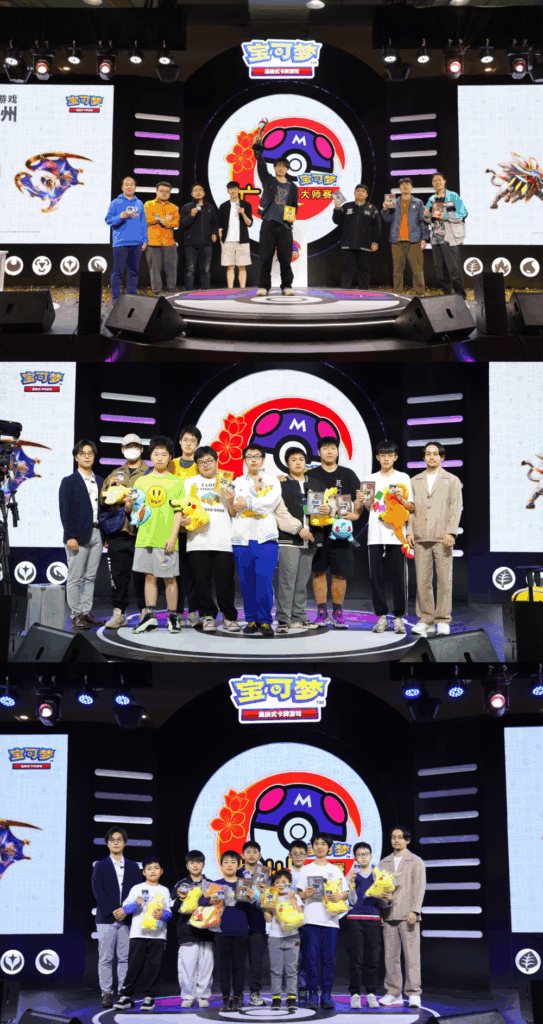
At the end of the Knockout stage there would be an awards ceremony for all the winners.
Prizes
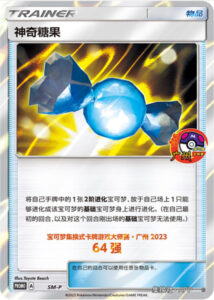
The top 64 players in the Open Group received a Top 64 stamped Rare Candy with the tournament logo
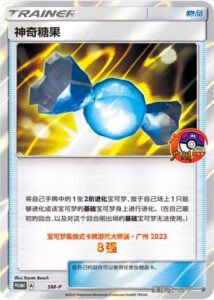
Players in all age groups who placed 5th – 8th would receive a Top 8 stamped Rare Candy with the tournament logo.
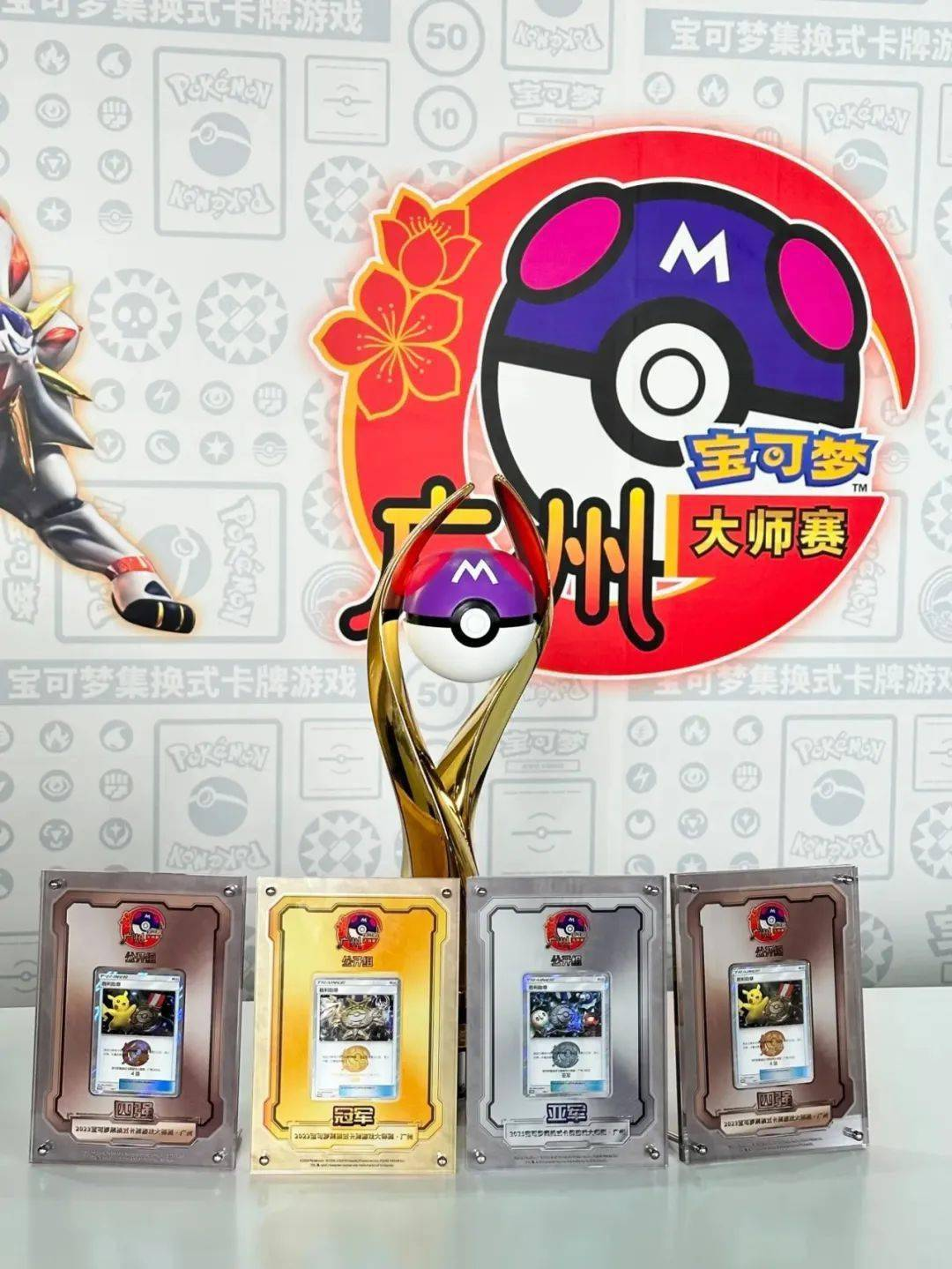
The 3rd and 4th place players of each age group would receive both a 3rd place Rare Candy and a 3rd place Victory Decoration card.
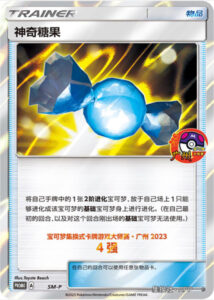
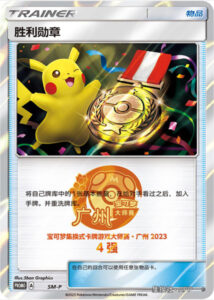
The 2nd place players of each age group would receive both a Runner-up Rare Candy and a Runner-up Victory Decoration card.
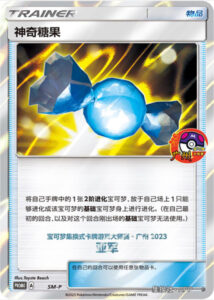
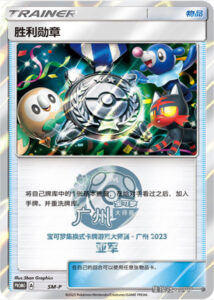
The champion of each age group would receive both a Champion Rare Candy and a Champion Victory Decoration card.
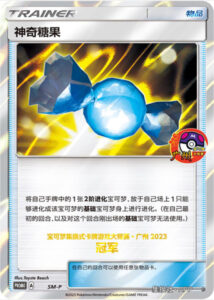
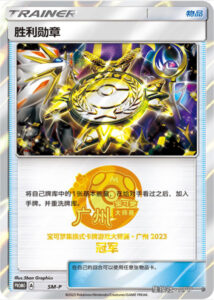
The Champion of the Open Group also received a trophy decorated with the event’s Master Ball motif.
Side Events
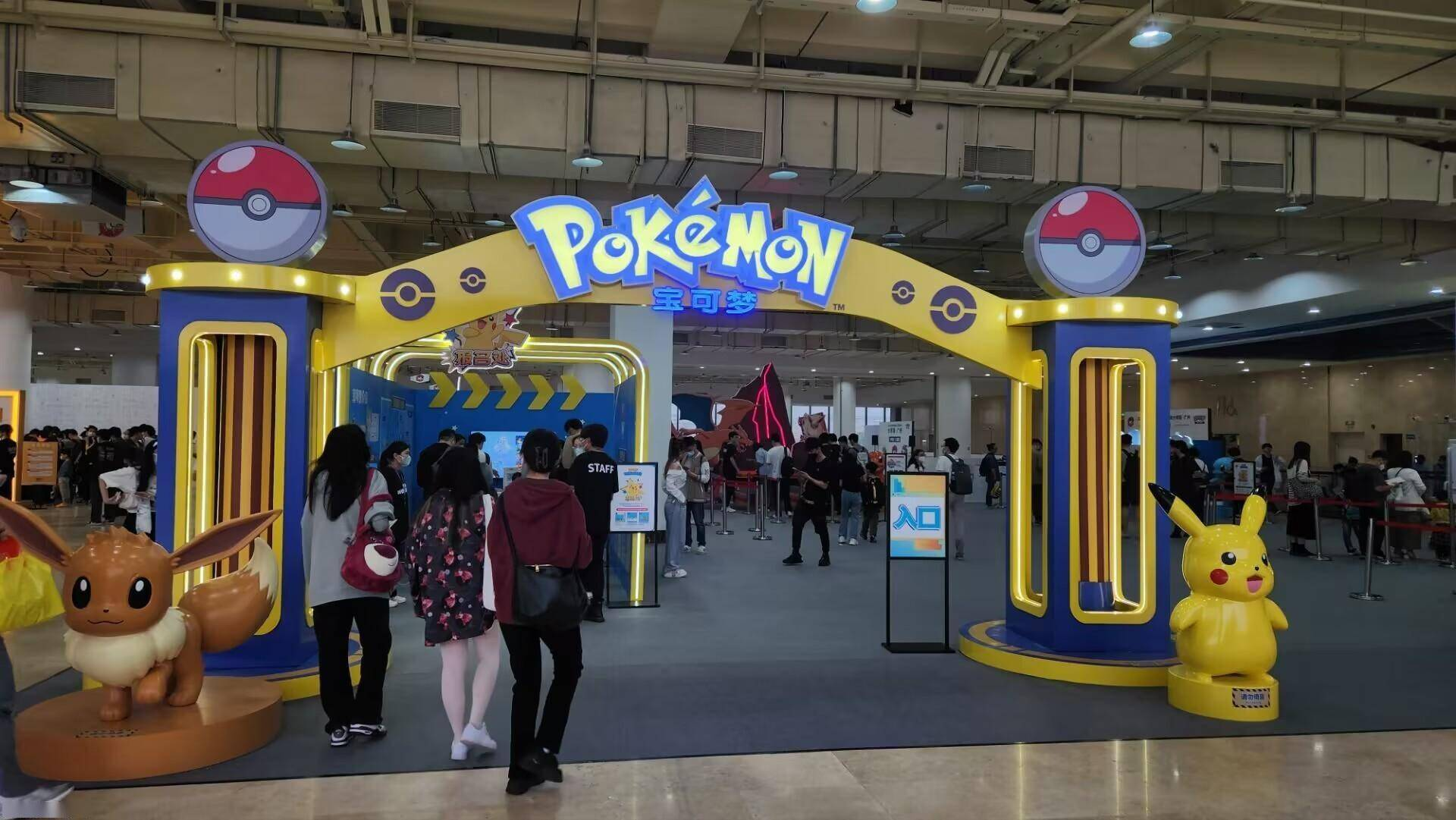
Like major tournaments in other regions, there were also numerous side events for attendees to participate in. These events would give points that could be redeemed for exclusive merchandise at the event.
Pokémon Cards Beginner Classroom
This event was meant for new or beginning players to learn how to play the Pokemon TCG. Trainers who participated in it would get a paper playmat.
Newbies welcome!
This side event was meant for Trainers to learn more advanced techniques. Preconstructed decks were distributed to participants to use.
Points were awarded based on the number of wins.
TAG TEAM Doubles
This side event was a 2v2 team event. Each team would compete in best-of-1 matches, with points being awarded based on the number of wins.
Fairy Eevee Challenge
This side event was meant to increase the representation of female Trainers playing the TCG. Only girls were allowed to compete in this event.
Points were awarded based on the number of wins.
Breakthrough
This side event had “zones” similar to the Children’s Group tournament. There were 0, 1, 2, and 3 win zones, with a player advancing to a new zone with each corresponding win. Upon winning a match in the 3-win zone, the player would make a “breakthrough” and win the competition.
Points were awarded based on the number of wins.
One decides the outcome!
At this side event participants had to bring a standard 60-card deck and would play games with one prize card. Certain cards were banned due to their imbalance with only one prize card. Games would start when any 2 players sat down, with the loser leaving the table and the winner remaining. The winner kept playing until they lost or reached 3 wins, upon which they were awarded with points based on the number of wins.
Badge Arena
This side event had each participant start with 3 badges. They could wander the arena and challenge any opponent to battle. Winners would gain 1 badge, and losers would lose 1 badge. Points were awarded based on the total number of badges accrued.
Sources
- https://www.pokemon.cn/tcg/event/post_64.html
- https://www.pokemon.cn/tcg/event/post_60.html
- https://www.pokemon.cn/tcg/event/post_59.html
- https://www.pokemon.cn/tcg/event/post_50.html
- https://www.pokemon.cn/tcg/event/post_57.html
- https://www.pokemon.cn/tcg/event/copy_7.html
- https://www.pokemon.cn/tcg/event/post_61.html
- https://www.sohu.com/a/659007456_100274826
- https://www.sohu.com/a/661957707_123138