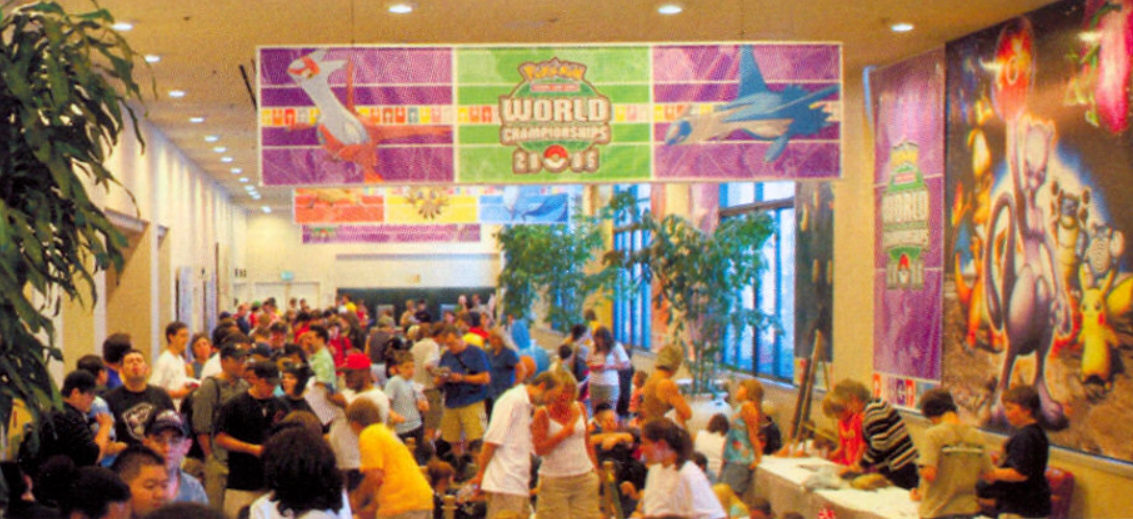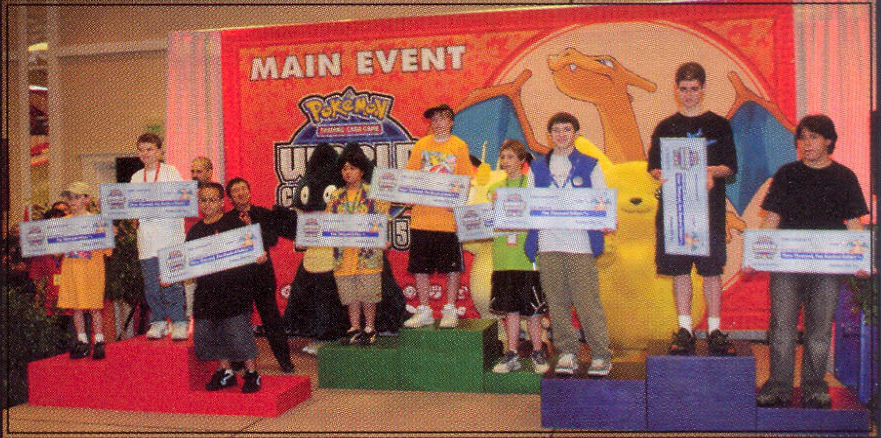


The 2023 Pokémon Card Game Shenzhen Masters was a major Pokémon Trading Card Game (TCG) tournament held in Shenzhen, China, as part of the inaugural season of official Pokémon TCG National Championships in mainland China.
The event took place on September 16–17, 2023, at the Shenzhen International Convention and Exhibition Center (Bao’an District). It was the third of four National Championship “Masters” tournaments in China’s Tier-1 cities that year, following Guangzhou Masters and Beijing Masters. It would be later followed by Shanghai Masters in 2023
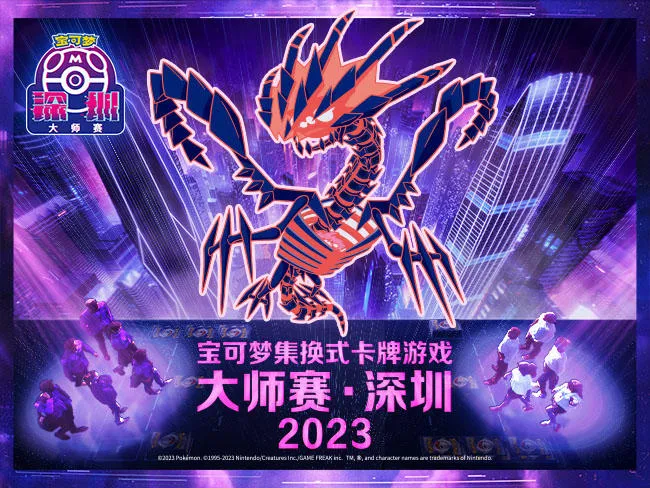
The Shenzhen Masters drew over 5,000 players from across the country – a record turnout – and was the first in China to introduce a team-based format for competition
Background
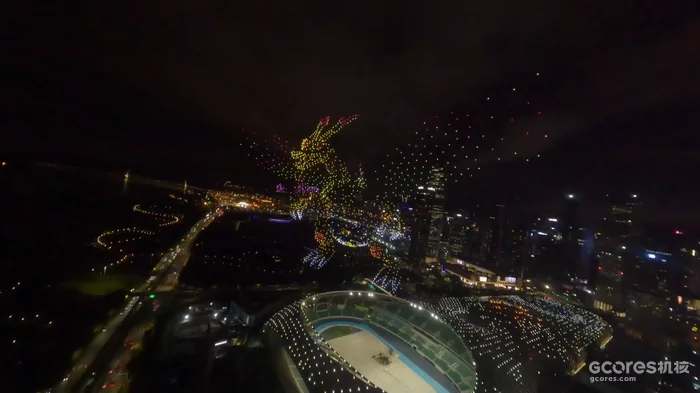
Rather than a single national Chinese event, four large-scale “Masters” tournaments were held in 2023 in Guangzhou, Beijing, Shenzhen, and Shanghai. These events were designed to build a competitive scene in China, each featuring local cultural elements and massive participation. The Shenzhen Masters, held in a city known for its high-tech industry, featured a futuristic venue design and high-tech opening ceremonies
Team Format
Unlike traditional Pokémon TCG tournaments which are individual events, the Shenzhen Masters pioneered a team format for its main (open) division. Teams of 3–6 players competed together in a 3v3 team battle format, where each round three players from one team faced three from the opposing team simultaneously.
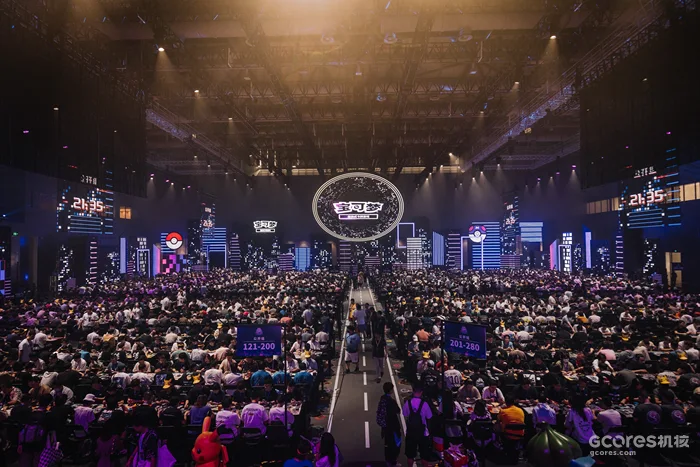
This format meant that teamwork, squad composition, and collective strategy were crucial, adding a new layer of excitement and spectator appeal to the competition. The team-based approach – the first of its kind in a Chinese Pokémon TCG event – became a hot topic of discussion among players and fans, and it significantly boosted participation numbers as many friend groups formed teams to enter.
The tournament was divided into multiple age divisions: an Open Division (公开组) open to all players aged 9 and up, a Junior Division (少年组) for ages ~13–17, and a Senior/Children’s Division (儿童组) for ages ~9–12. Notably, younger players could elect to “play up” in the Open division if they wished, but each player could only compete in one division.
The Open Division used the team format, while the Junior and Children’s divisions were run as traditional individual competitions.
Each team had to submit multiple decks to participate in the Open Division’s team format.
- 3-player teams had to submit 4 decks
- 4-6 player teams had to submit an equal number of decks as they had players.
- Each deck submitted by a team had to contain 10 unique cards that other decks in that team did not have.
- Each submitted deck could only be used once per round.
Qualification
Qualification requirements for entry combined open registration with a series of preliminary qualifiers. The event was free to enter, but due to high demand the organizers capped the number of participants for each division.
In the weeks leading up to the Masters, official preliminary tournaments (“预选赛”) were held in various cities across China, also using the 3v3 team format, to allow teams to earn their spot at Shenzhen. Top-placing teams in these qualifiers were awarded automatic entry into the Shenzhen Masters, with the winners even earning first-round byes and travel stipends such as free hotel accommodation.
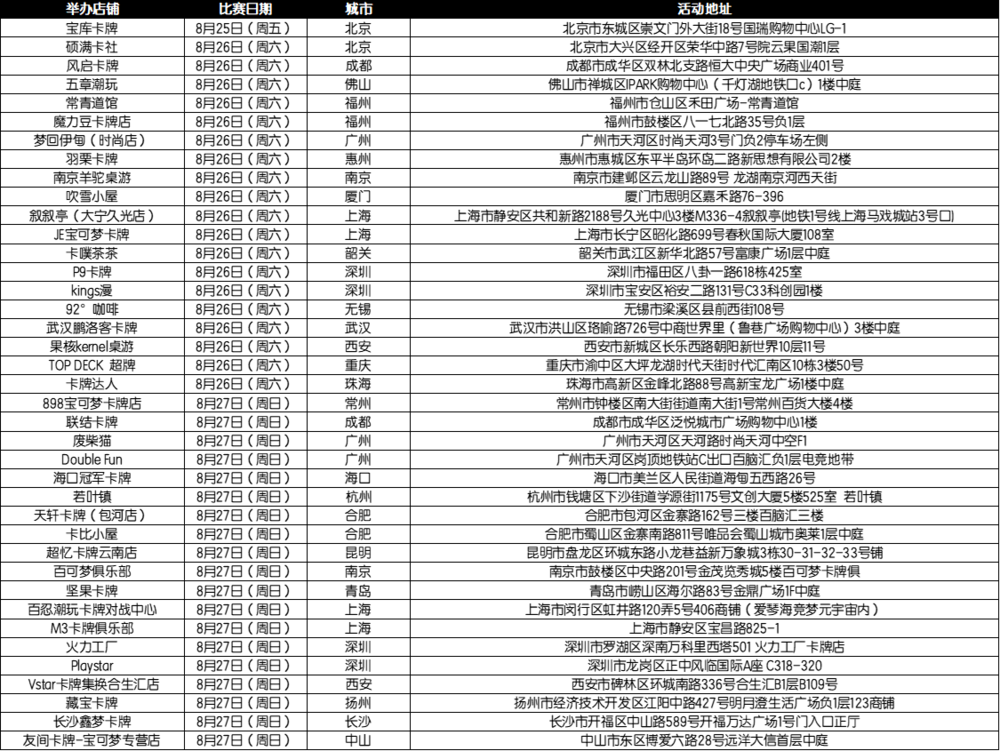
Beyond the qualifiers, the remaining slots were filled by random lottery from online sign-ups. Prospective players registered via the “Pokémon Card Game Member” WeChat mini-app during August 23–September 5, 2023, and up to 1,200 teams were randomly selected to receive entry into the Open team competition, along with up to 500 individual players for the Junior division. A small number of additional team slots were also available for on-site last-minute signups if space allowed.
In the end, 1,082 teams were registered for the Open Division at Shenzhen, approaching the planned capacity, and the Junior and Children’s categories also saw hundreds of players. All participants were required to bring valid ID for age verification and player badging, and those under 14 had to be accompanied by a guardian.
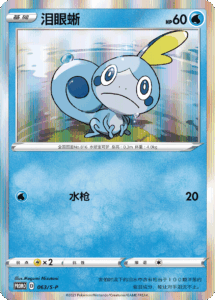
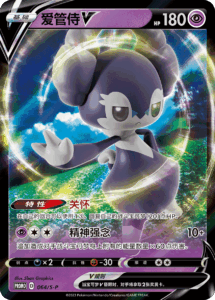
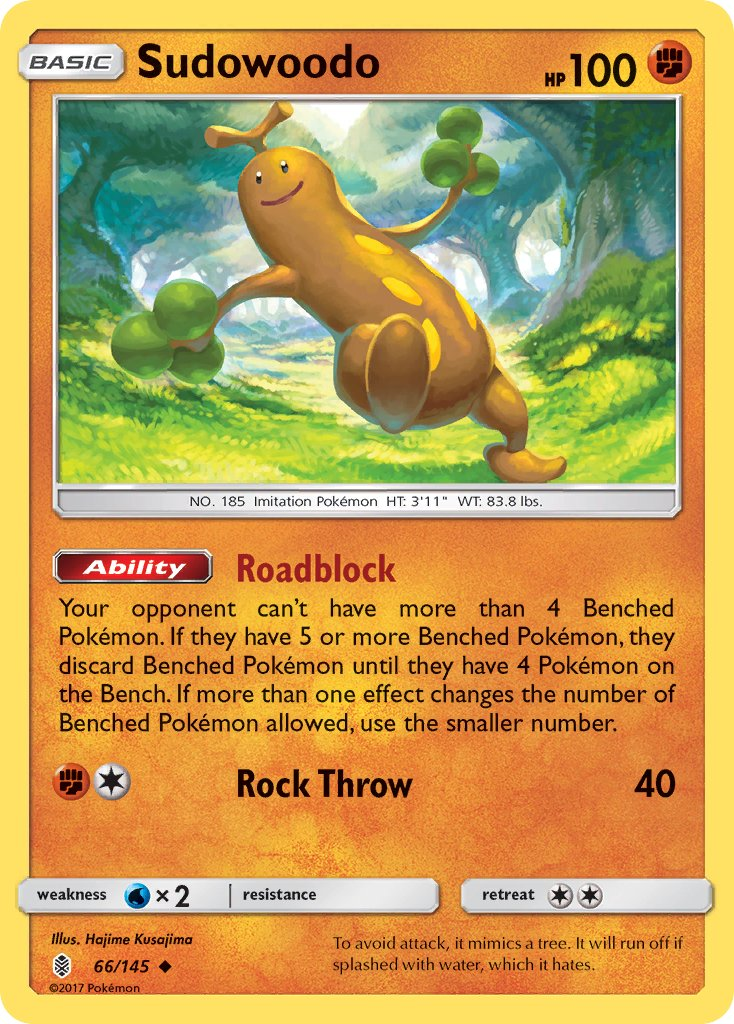
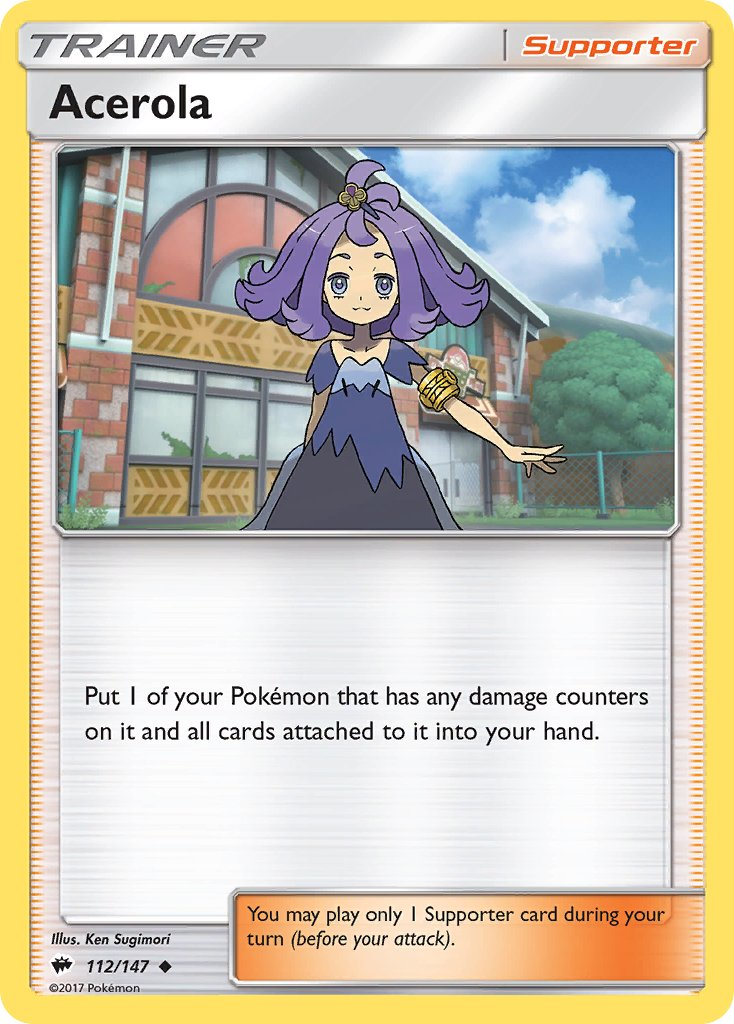
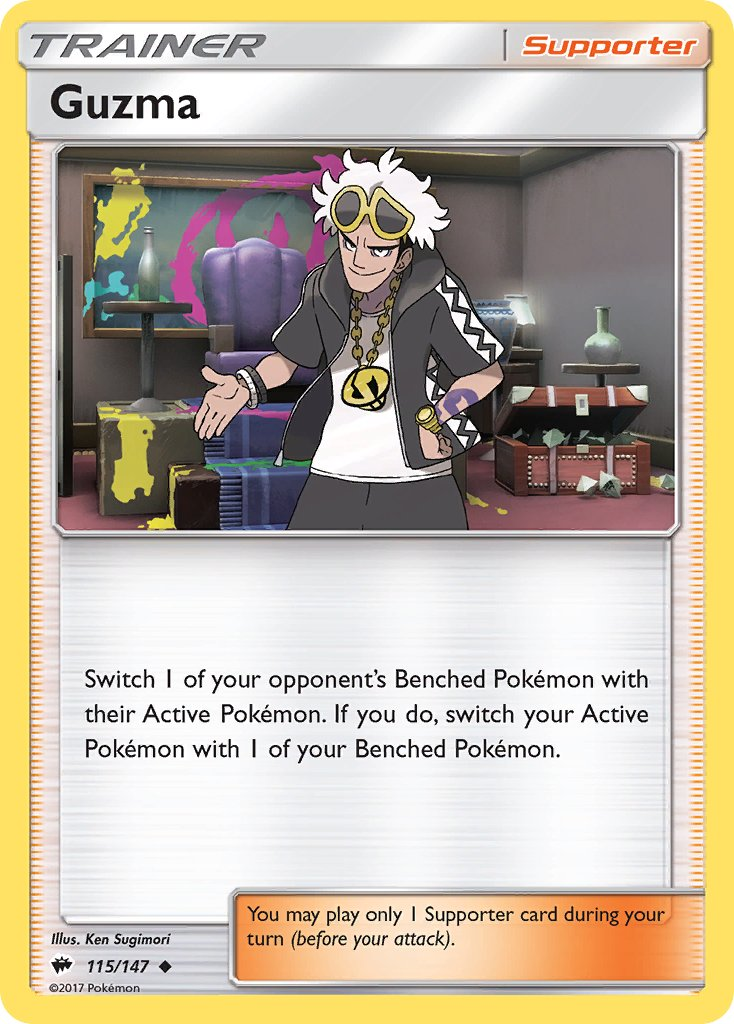
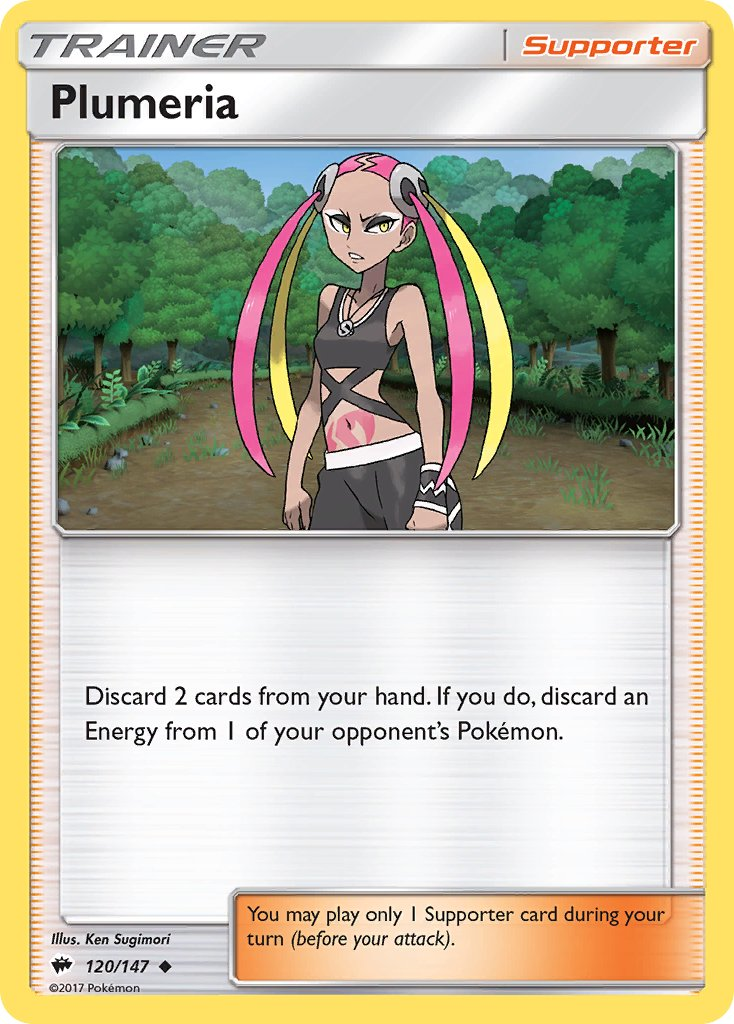
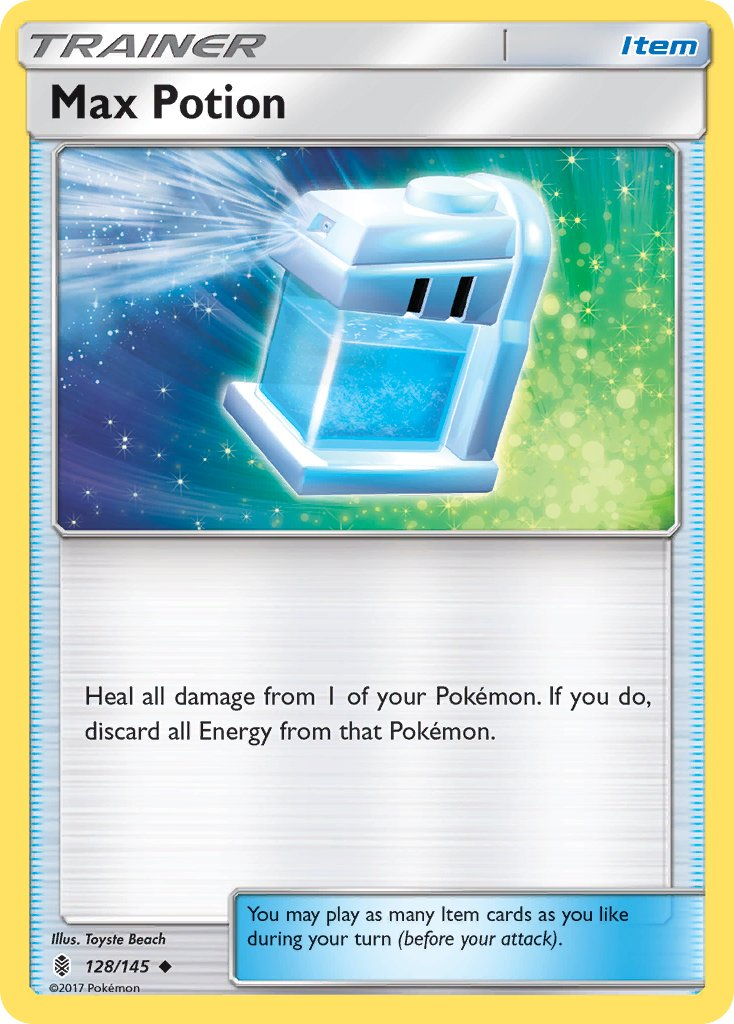
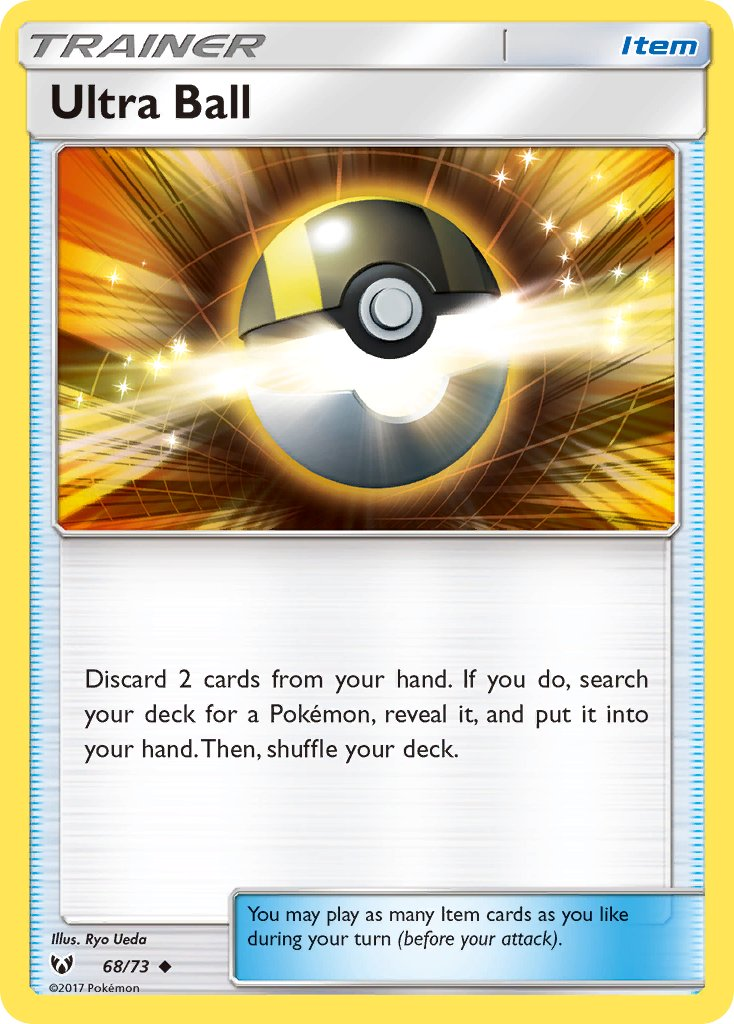
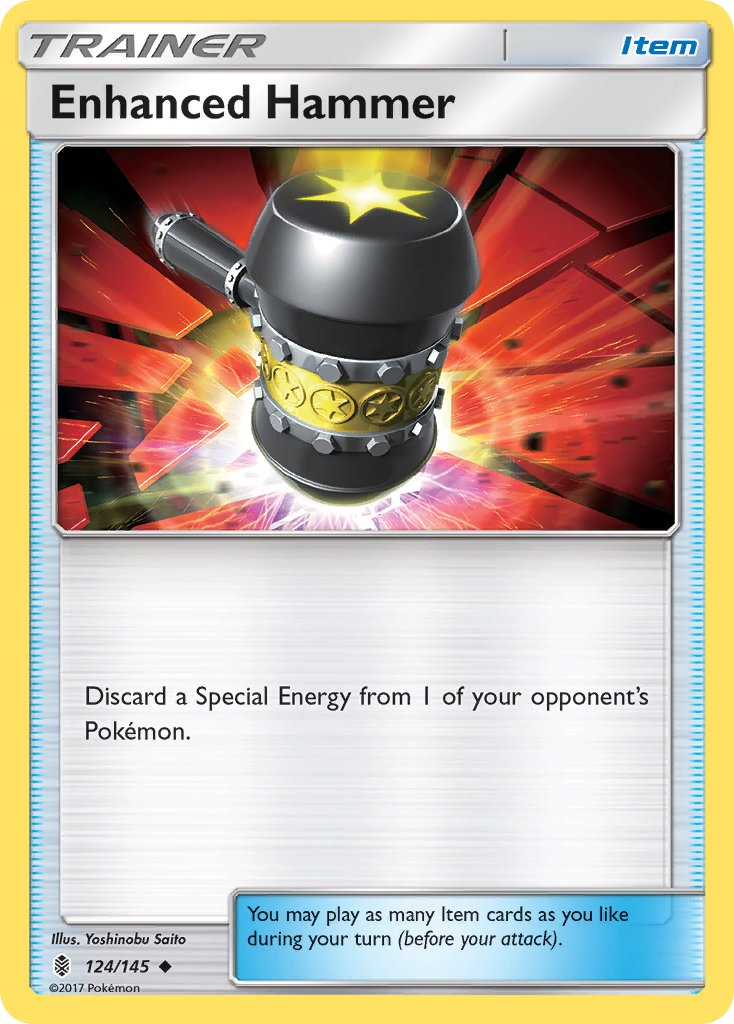
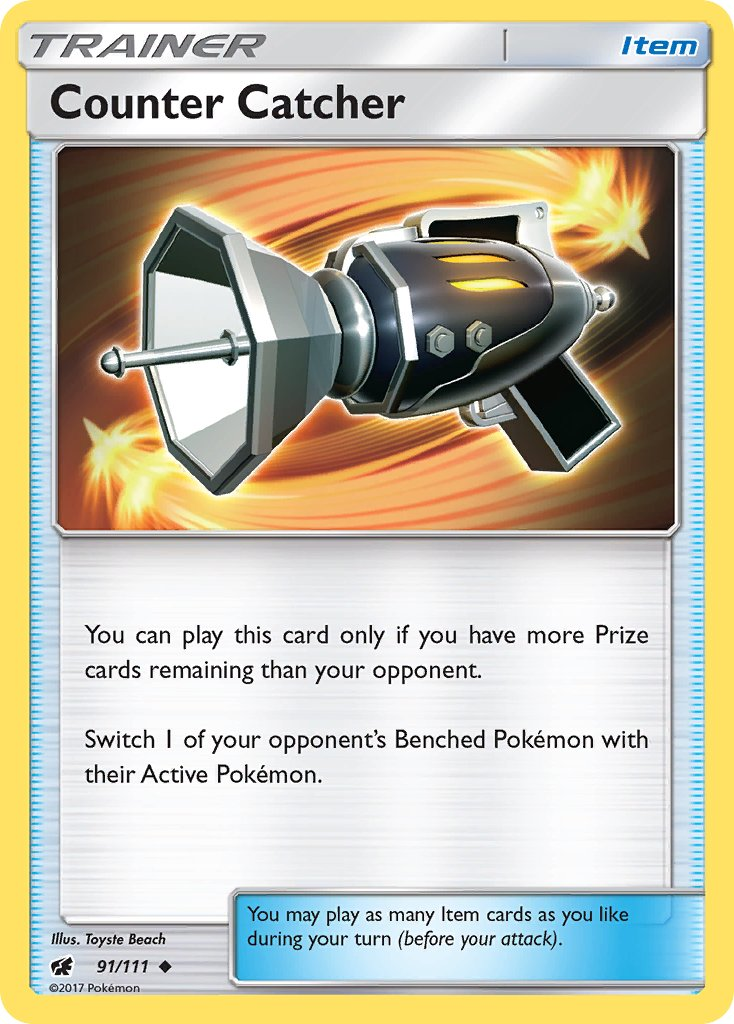
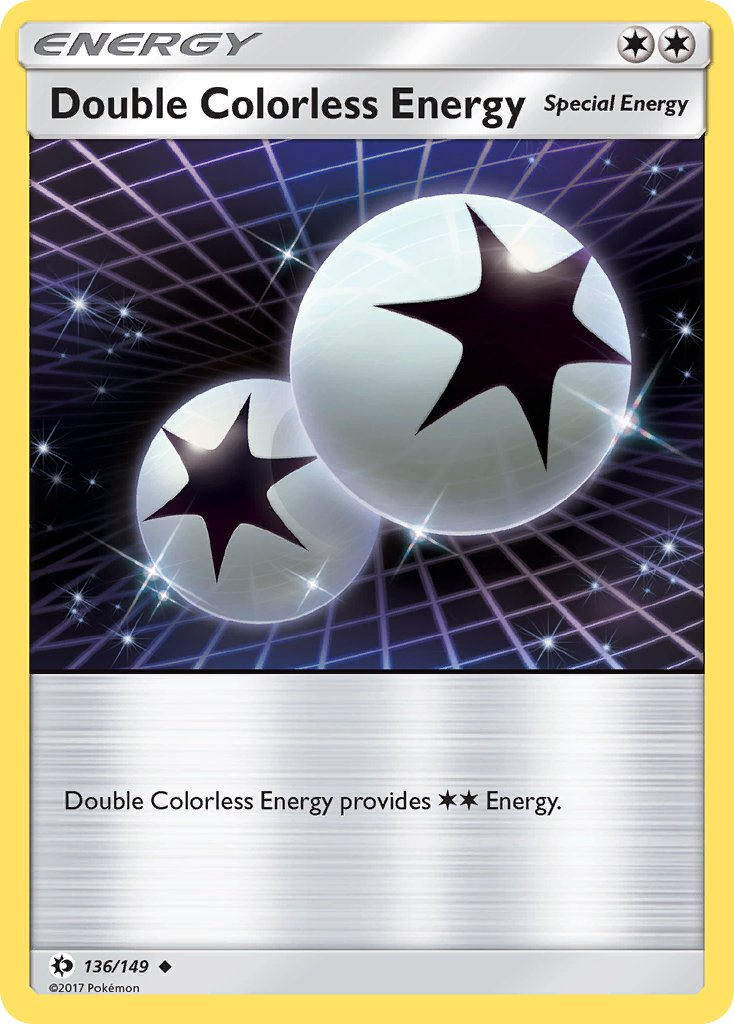
All participants would receive a sealed promo pack containing one of these 3 cards:
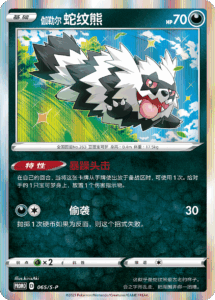
Format
The Shenzhen Masters followed the Standard format for Pokémon TCG rules: each player’s deck contained 60 cards and games were played for six Prize cards (as per the global Standard rules). A few specific card bans were in effect to remove problematic older cards from the format.
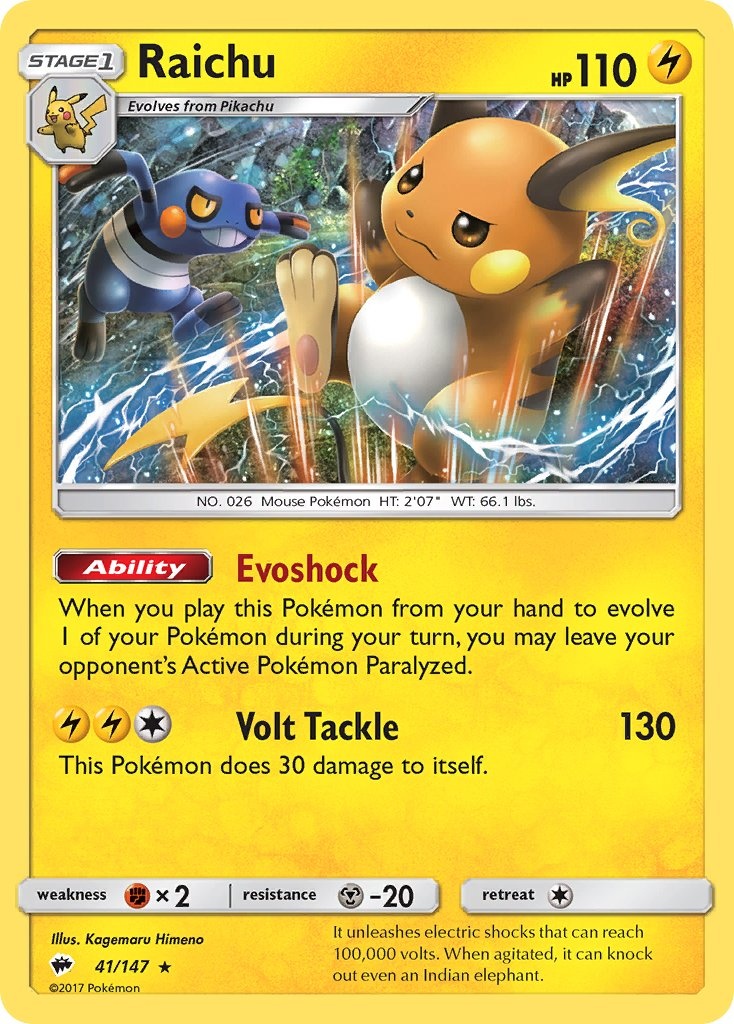
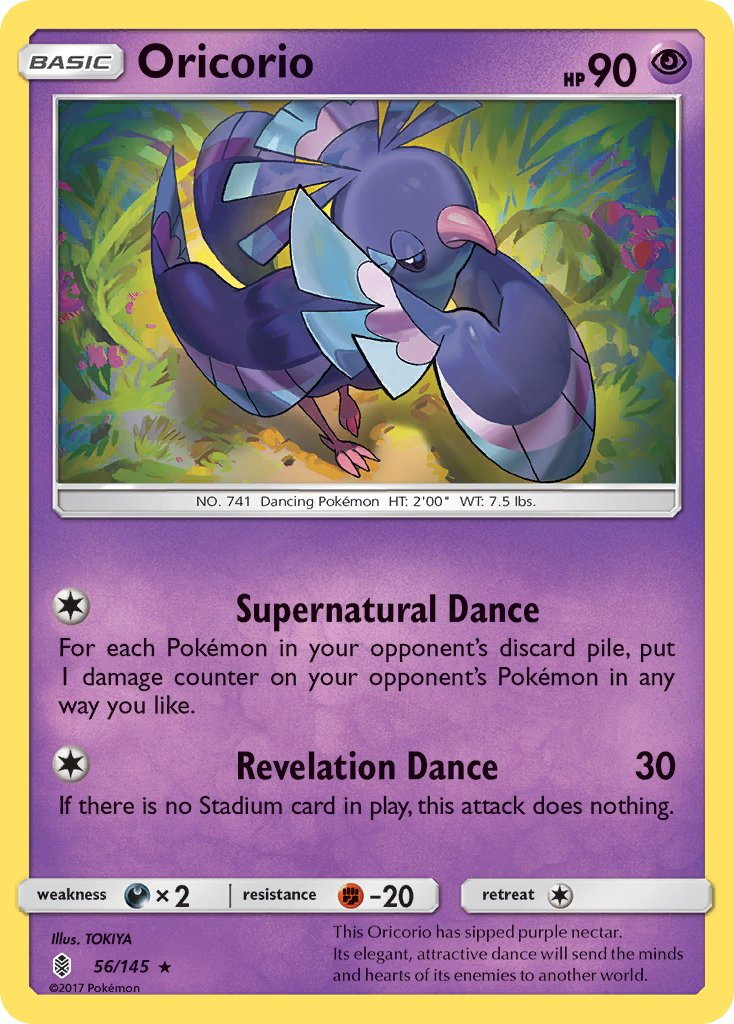
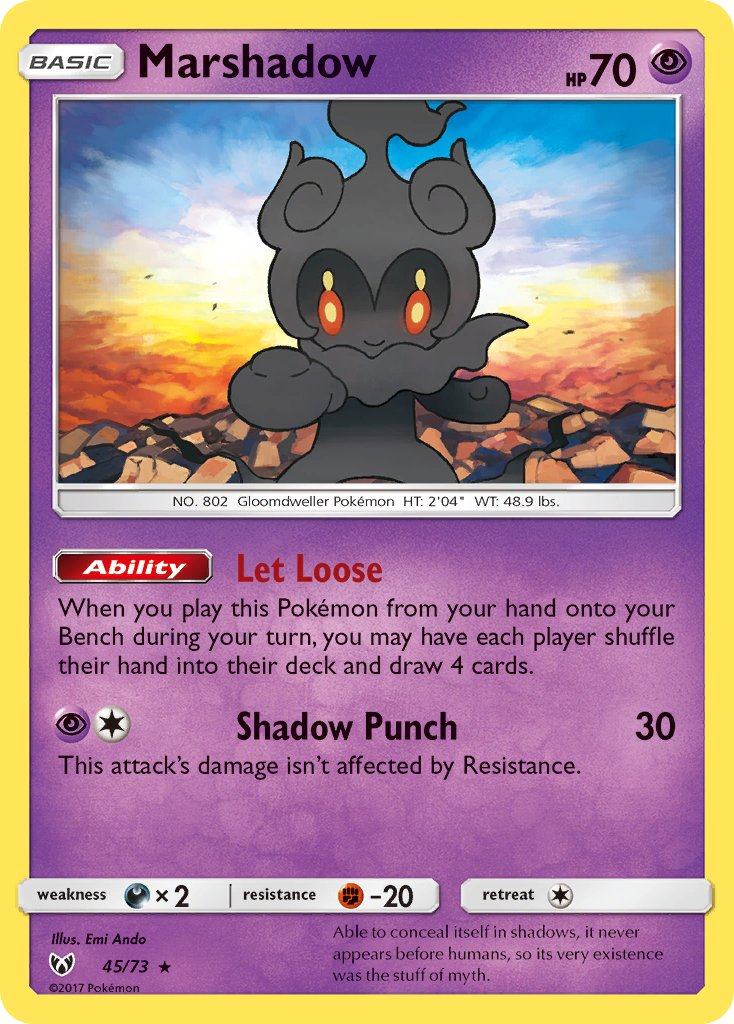
Preliminaries
The tournament structure combined Swiss-style preliminary rounds with top cut playoffs, similar to other major Pokémon events. On Day 1 (September 16), teams/players in each division played through multiple Swiss rounds, each round being a best-of-three team match for the Open teams, or a single game for individual divisions.
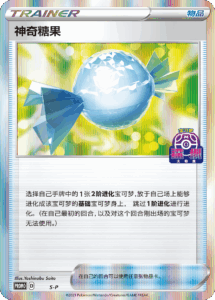
The goal of Swiss rounds was to determine the top-ranked competitors for the elimination stage. Any Open team that achieved at least 5 match wins in Swiss (out of a possible ~7–9 rounds) earned a special event-stamped Rare candy promo card. This same card was given to any Junior group trainers who won 4 or more wins in the preliminaries.
After the Swiss rounds, the highest-ranked teams/players advanced to the Top Cut on Day 2
Main Competition
These teams advanced into a single-elimination bracket on the second day to decide the champions. Similarly, the Junior and Children’s divisions would have cut to a top bracket (e.g. top 8 or 16 players) for playoffs. Matches in the elimination stage continued until the finalists faced off and champions were determined by the end of Day 2 (September 17).
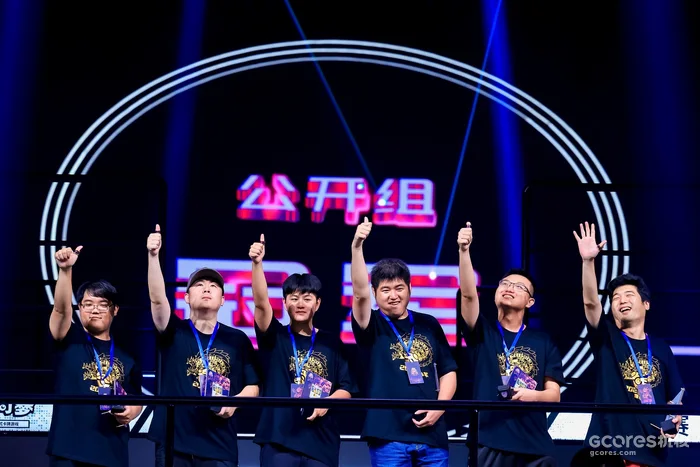
In the Open Division, the team “M&M” emerged as the tournament champions, claiming the Masters trophy. Team M&M, a squad of players from Haikou, navigated the gauntlet of Swiss rounds and playoffs with strong coordination; they triumphed in the finals to take first place.
In the Junior Division (ages ~13–17), the winner was player “p9.晴天雨” (screen name meaning “SunnyRain”) from Shenzhen In the Children’s Division (ages ~9–12), the champion was player “D.F 扬扬” from Shanghai.
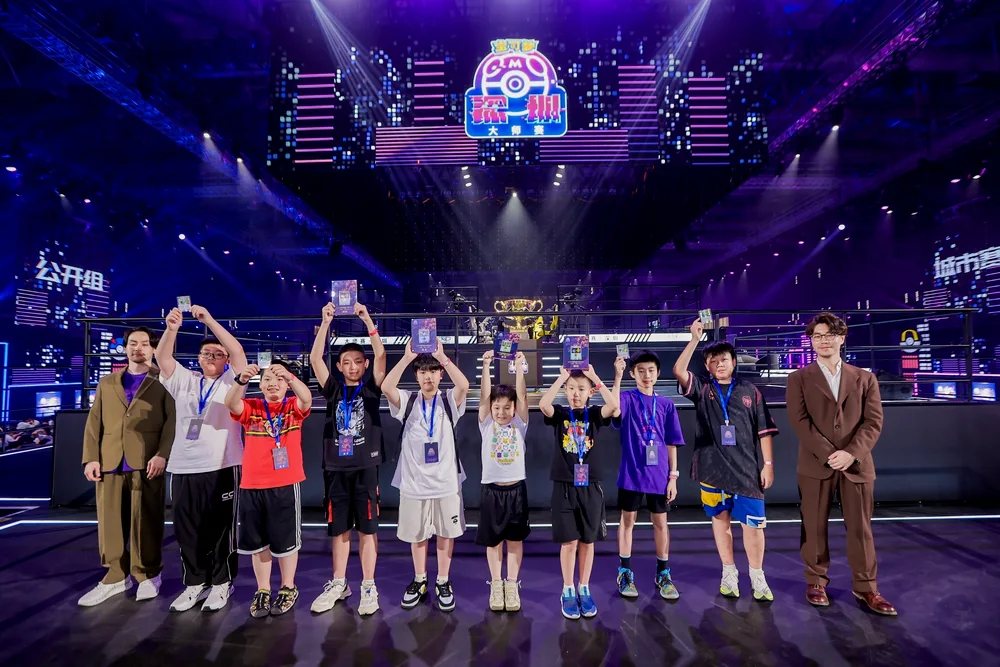
The winning team would be granted the Open Group Champion Trophy, a massive custom-made trophy cup.
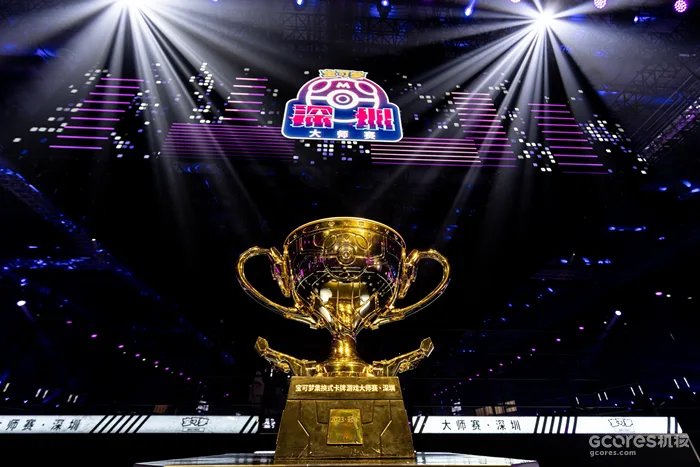
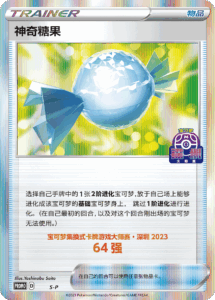
The top 64 players in the Open Group received a Top 64 stamped Rare Candy with the tournament logo.
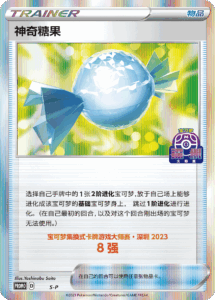
Players in all age groups who placed 5th – 8th would receive a Top 8 stamped Rare Candy with the tournament logo. In the Open Group’s team competition each team member received both cards.
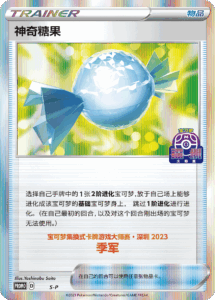
The 3rd and 4th place players of each age group would receive both a 3rd place Rare Candy and a 3rd place Victory Proof card. In the Open Group’s team competition each team member received both cards.
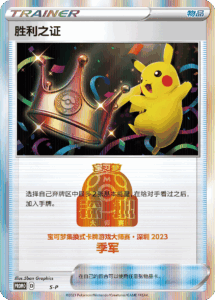
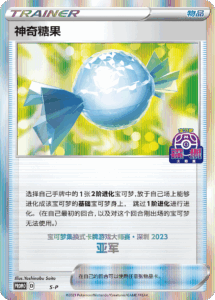
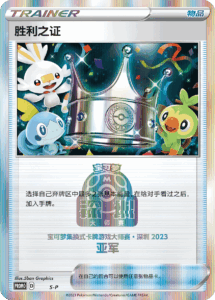
The 2nd place players of each age group would receive both a Runner-up Rare Candy and a Runner-up Victory Proof card. In the Open Group’s team competition each team member received both cards.
The champions of each age group would receive both a Champion Rare Candy and a Champion Victory Proof card. In the Open Group’s team competition each team member received both cards.
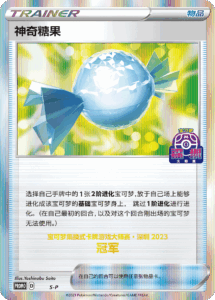
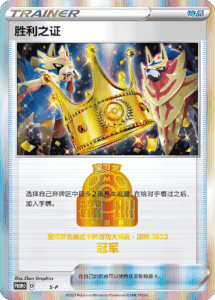
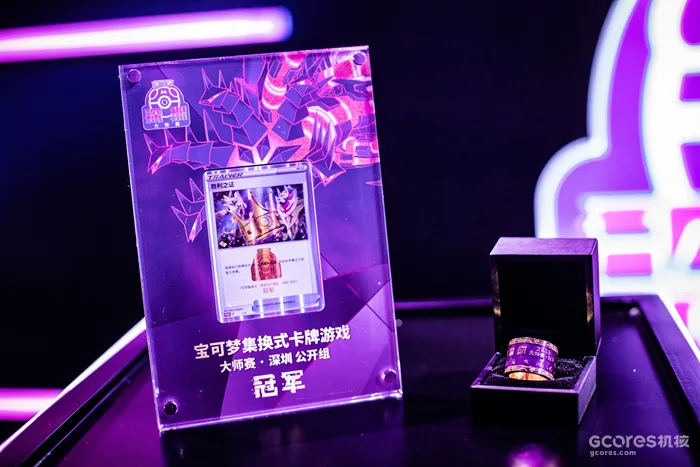
Each winner would be award the Victory Proof in a decorative plaque alongside a special ring.
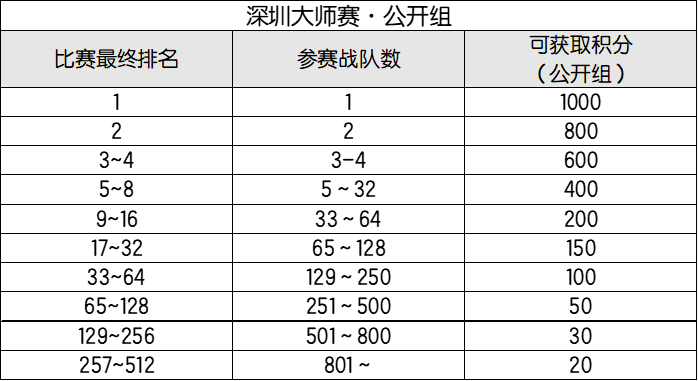
All participants also received tournament points based on their final placements. These would factor into which players from China would get invites to the World Championships.
Side Events
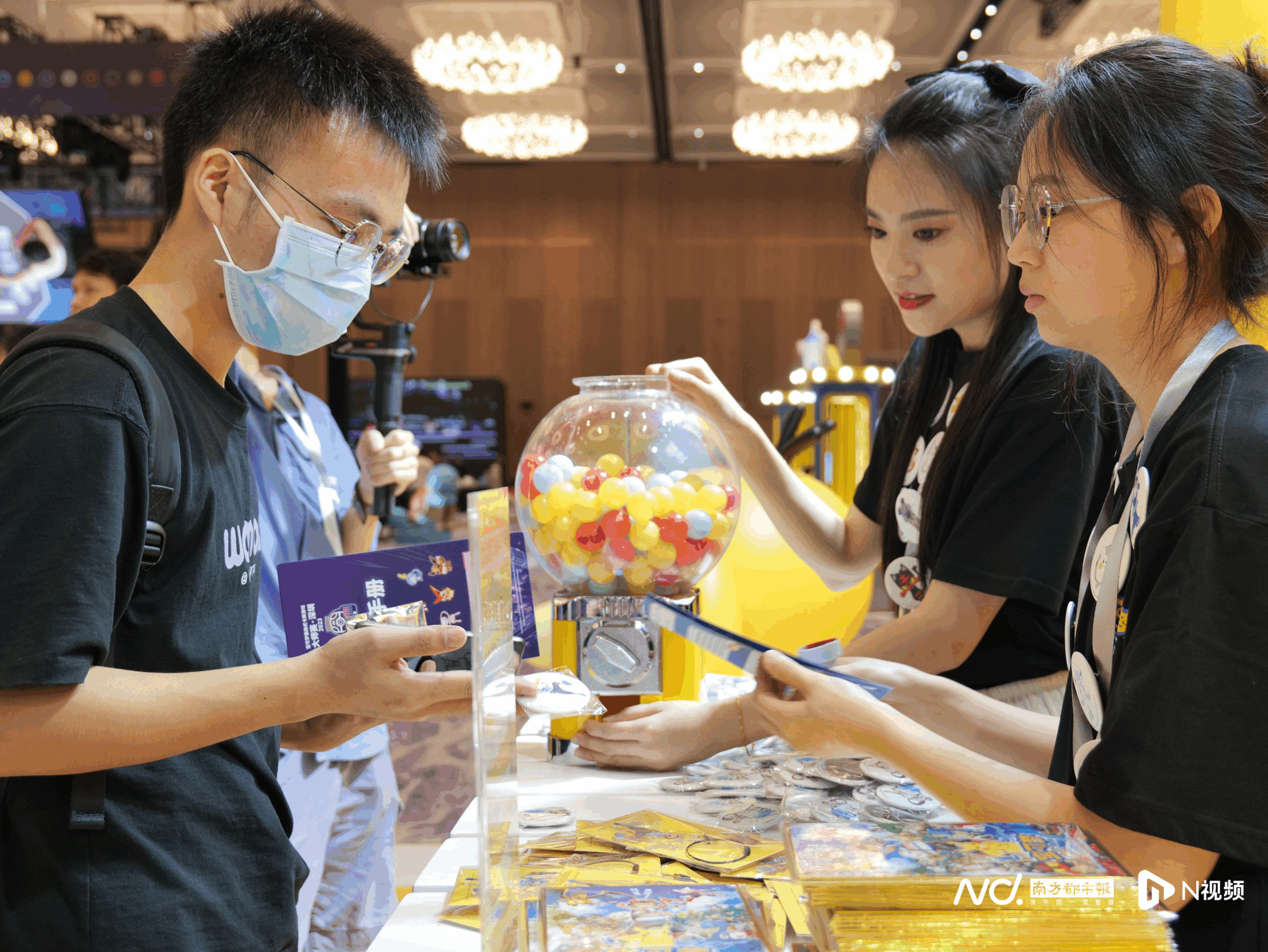
Like major tournaments in other regions, there were also numerous side events for attendees to participate in. These events would give points that could be redeemed for exclusive merchandise at the event.
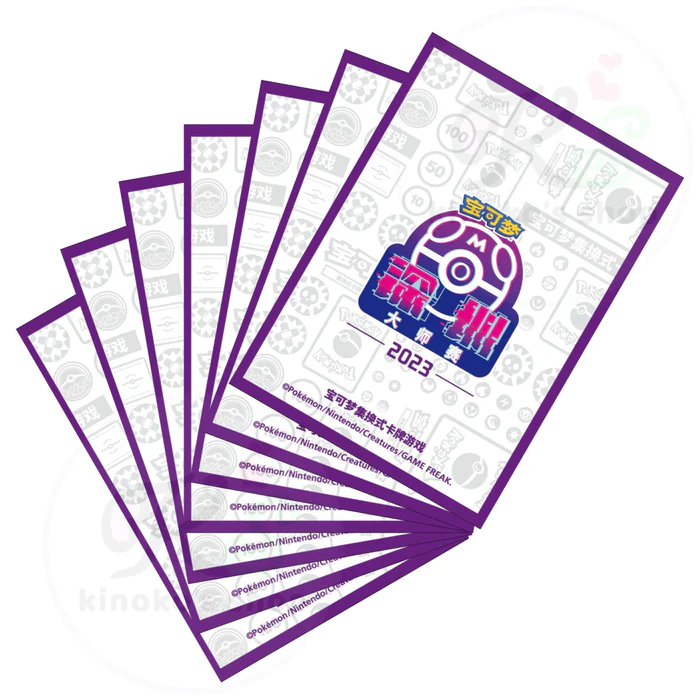
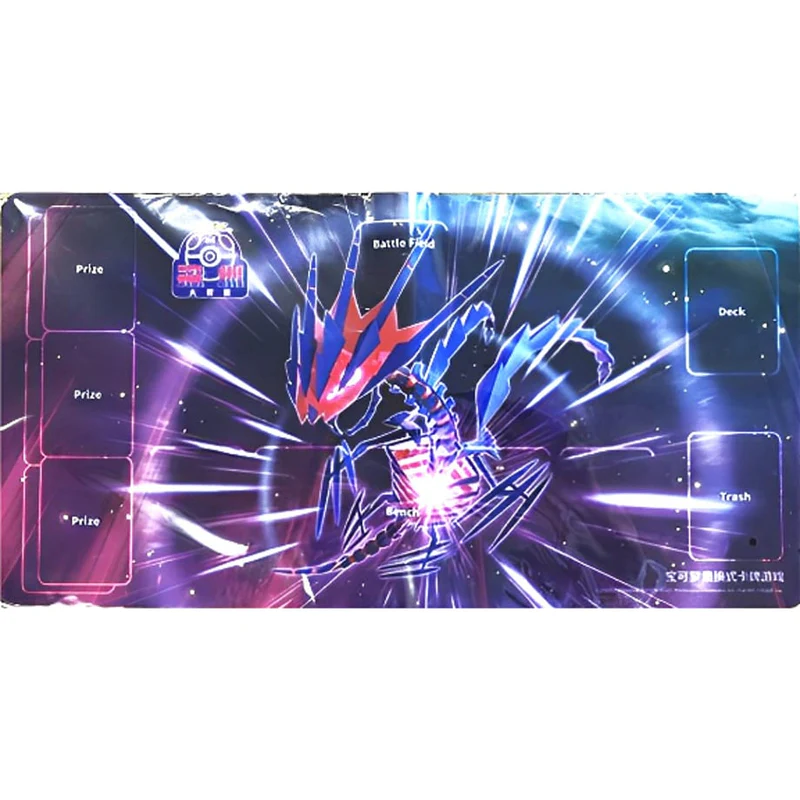
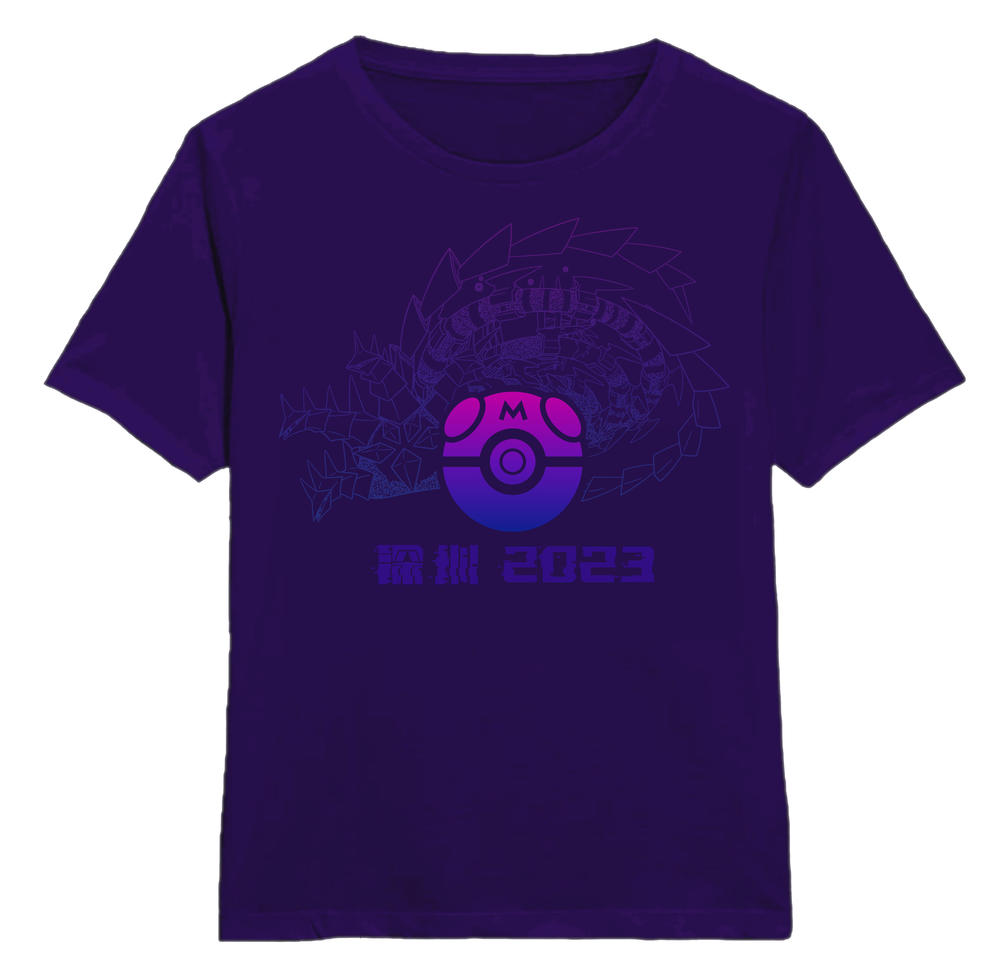
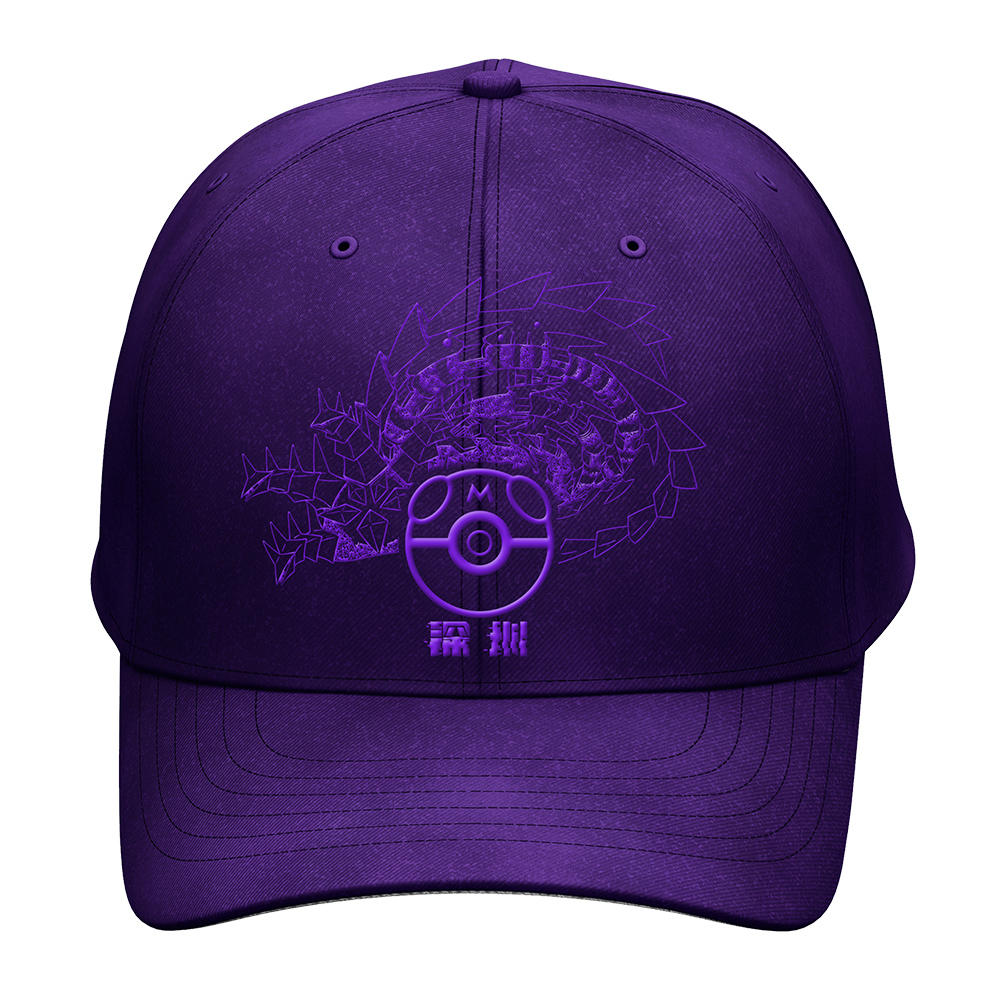
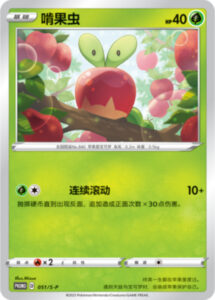
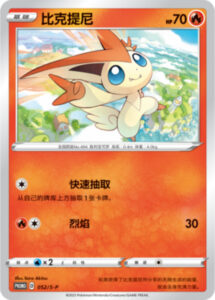
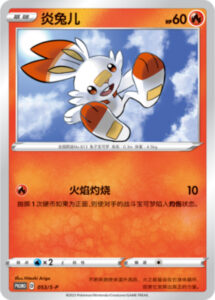
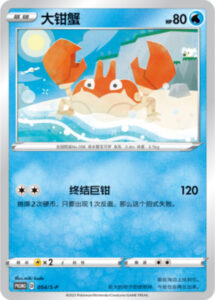
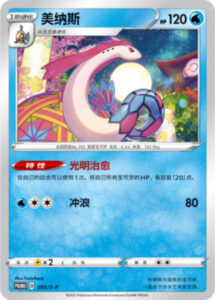
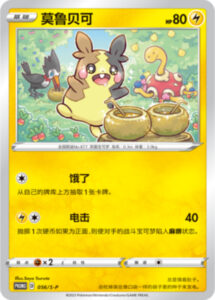
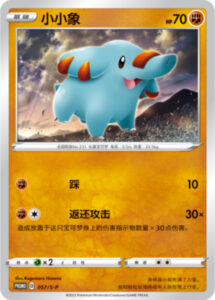
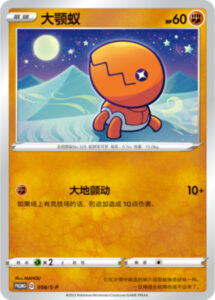
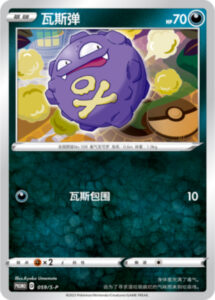
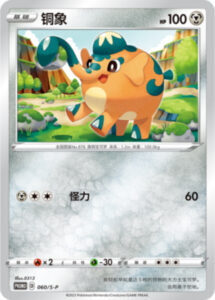
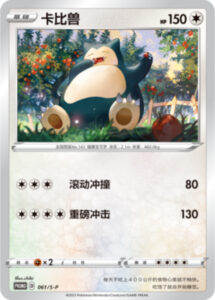
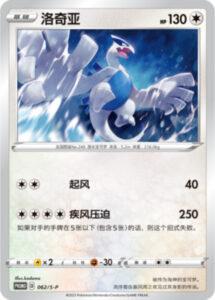
Participating in side events would reward players with a sealed pack that contained a random card from below:
Pokémon Cards Beginner Classroom
This event was meant for new or beginning players to learn how to play the Pokemon TCG. Trainers who participated in it would get a paper playmat.
Newbies welcome!
This side event was meant for Trainers to learn more advanced techniques. Preconstructed decks were distributed to participants to use.
Points were awarded based on the number of wins.
TAG TEAM Doubles
This side event was a 2v2 team event. Each team would compete in best-of-1 matches, with points being awarded based on the number of wins.
Fairy Eevee Challenge
This side event was meant to increase the representation of female Trainers playing the TCG. Only girls were allowed to compete in this event.
Points were awarded based on the number of wins.
Breakthrough
This side event had “zones” similar to the Children’s Group tournament. There were 0, 1, 2, and 3 win zones, with a player advancing to a new zone with each corresponding win. Upon winning a match in the 3-win zone, the player would make a “breakthrough” and win the competition.
Points were awarded based on the number of wins.
Battle Party Experience event (8-player competition)
This event had an entry fee of 28 yuan and was an 8-player competition. Participants had to use the Pokémon Card Mini App to register for the event. It utilized a new product made specifically for in-person side events called the Battle Party Pack.
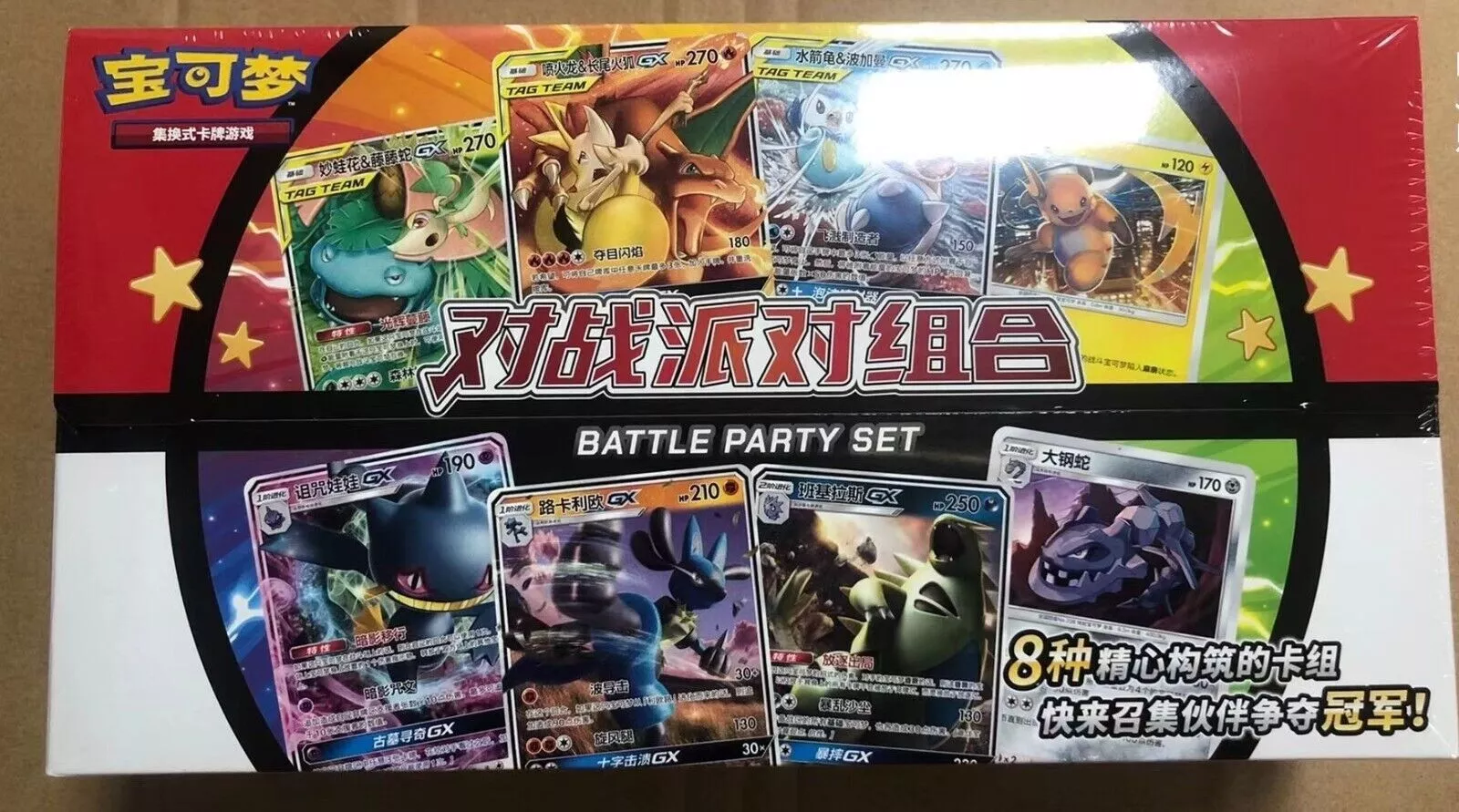
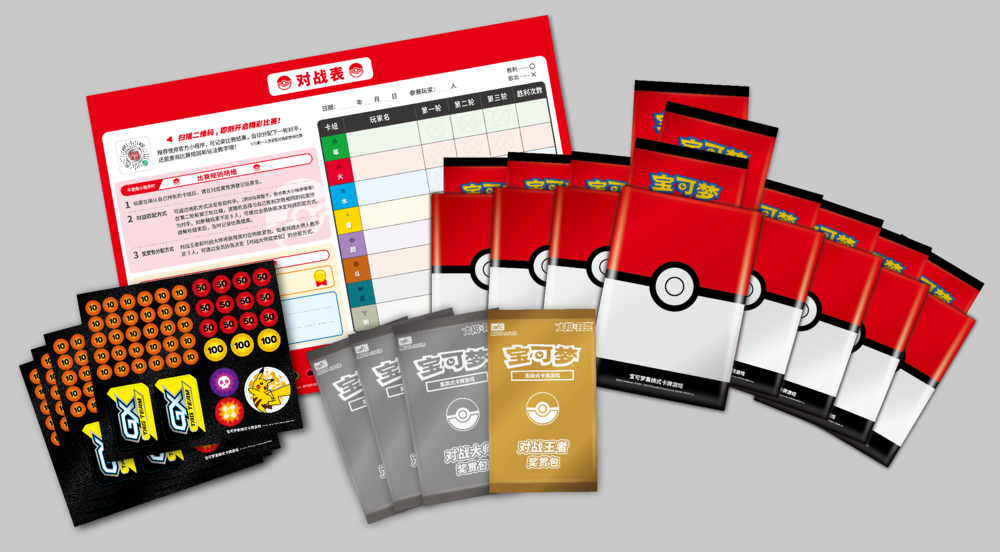
Each Battle Party Pack includes eight 60-card decks that represent a different type, three Battle Master Reward Packs, one Battle King Reward Pack, a score sheet, and four cardboard sheets containing damage counters, Special Condition markers, GX markers, and a coin.
The cards from each deck are enclosed in three 20-card packs, which are held in a plastic wallet. Each pack bears the expansion code of the deck it belongs to, should the box contents become jumbled. The cards within these packs are always the same for each deck; however, each one has a chance to have all cards inside printed in Reverse Holofoil instead of the standard non-Holofoil.
Battle Master Reward Packs come in silver packaging and contain one random card from the Reward Packs’ regular card list. Battle King Reward Packs come in gold packaging and contain one random card from the Reward Packs’ Secret card list. All cards from the Reward Packs are Holofoil.
Trainers would randomly select 1 Battle Deck to compete in 3 rounds of Swiss Battles. Based on the actual battle results, 1 Battle King and 3 Battle Masters would be decided, and they would receive the gold Battle King Reward Pack and silver Battle Master Reward Pack included in the [Battle Party Pack accordingly.
Battle Party King’s Contest (64-player competition)
This event had an entry fee of 32 yuan and was an 64-player competition. Similar to the 8-player Battle Party Experience event, it utilized the Battle Party Pack product.
8 groups of 8 players would each open open one Battle Party Pack per group and compete in a 3-round Swiss tournament.
The 8 winners of each group would then open a new Battle Party Pack in the finals and use those decks to compete in another 3-round Swiss tournament to determine a champion.
All trainers who participated in the event received a promotional Olivia card.
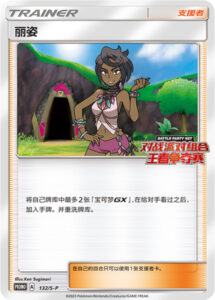
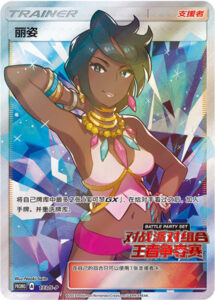
The champion of each event would also receive a full art etched holofoil Olivia promo card.
Carnival
At the event were also other attractions besides Pokemon TCG-themed ones. These were known as the Pokemon Carnival.
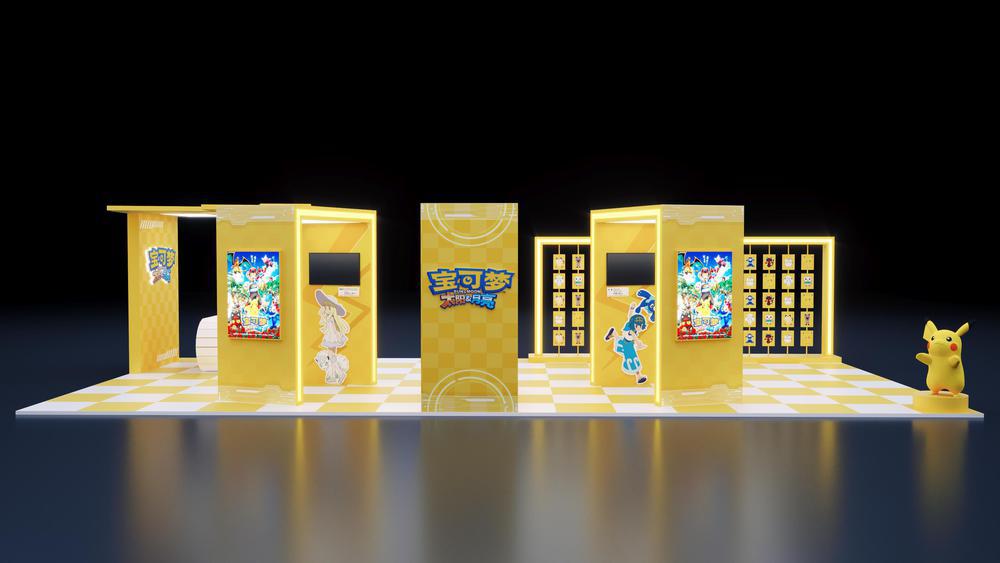
There was a “Pokémon Sun & Moon” exhibition area where attendees could participate in question-and-answer interactions, check in and take photos, and visit the “Dream Journey” short film scene and to watch a movie!
Trainers who visited the Pokémon Animation Gallery will had the opportunity to prizes.
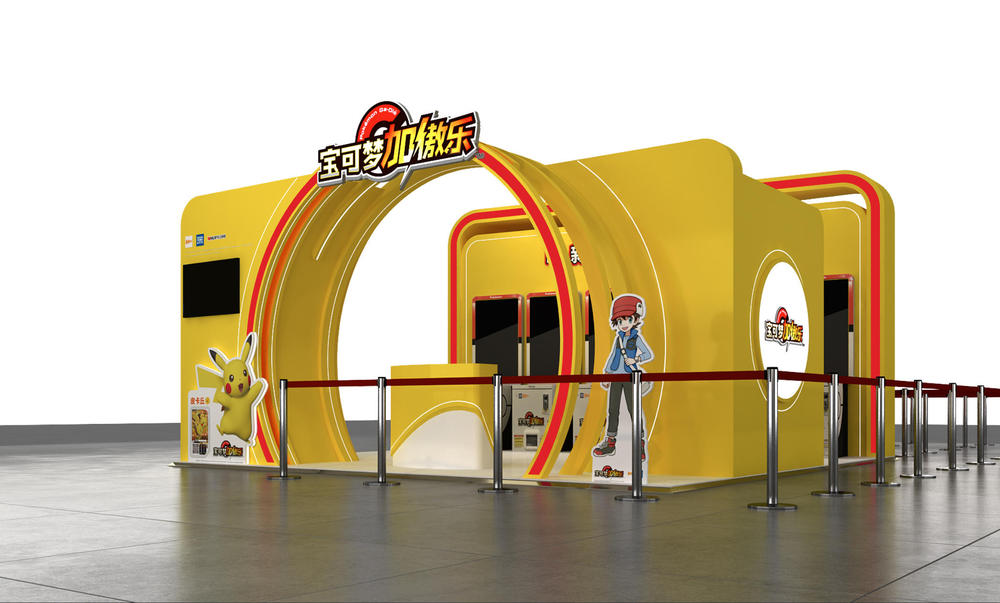
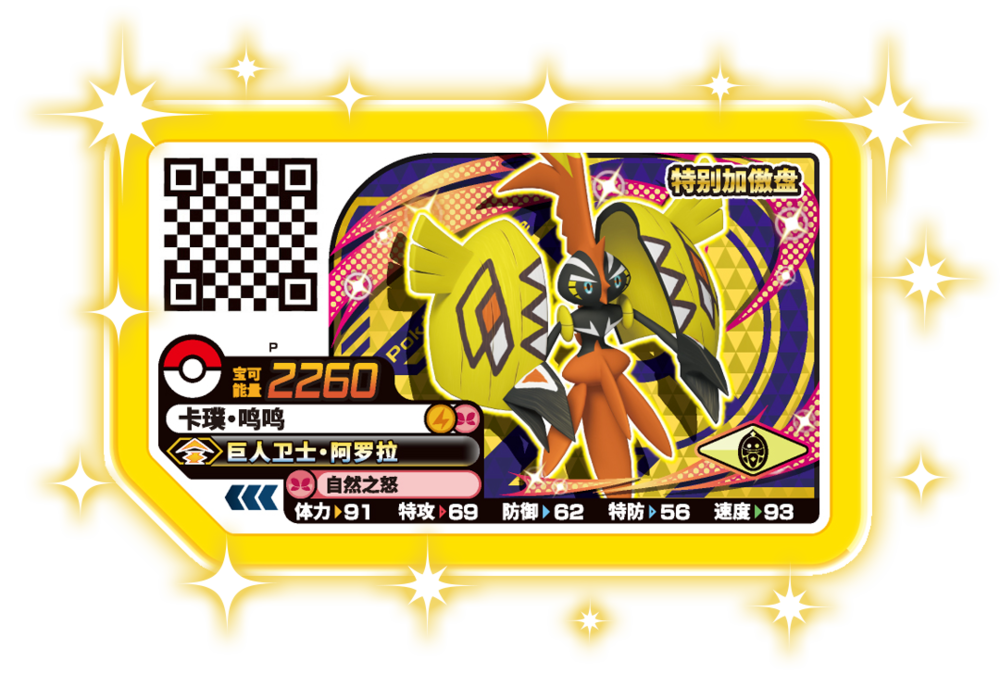
Additionally, there was an area for the Pokemon Gaole arcade game. Trainers who participated in the experience event can receive a special bonus Tapu-Koko Gaole piece while supplies lasted.
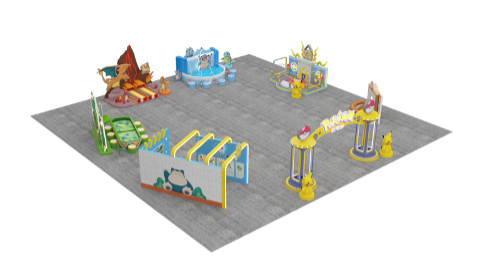
There was a “challenge” area themed around four attributes: “grass”, “fire”, “water” and “electricity”. Attendees could participate in these challenges to get prized.

There was a special side event at this venue to “Celebrate Mid-Autumn Festival with Clefairy” where attendees could get special lanterns.
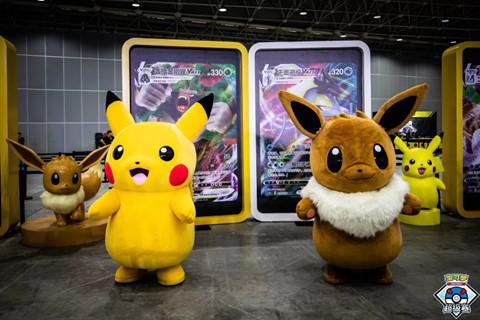
Various costumed Pokemon were also at the event for photo opportunities.
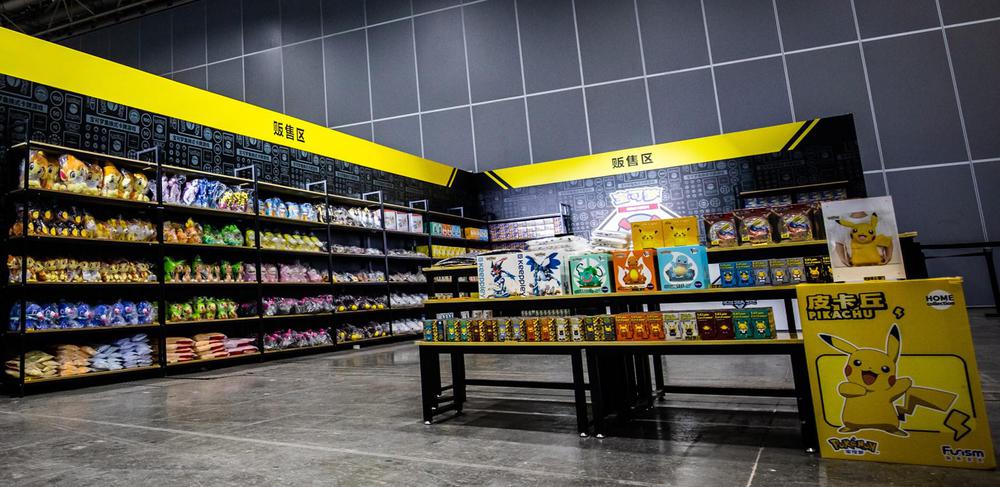
Lastly, like most official events, there was a store that sold various goods and cards.