

The 2023 Pokémon Card Game Shanghai Masters was a major Pokémon Trading Card Game (TCG) tournament held in Shanghai, China, on December 16–17, 2023. It was the culminating Masters event of the 2023 season for the newly launched Chinese-language Pokémon TCG circuit, drawing over 5,000 players from across the country.
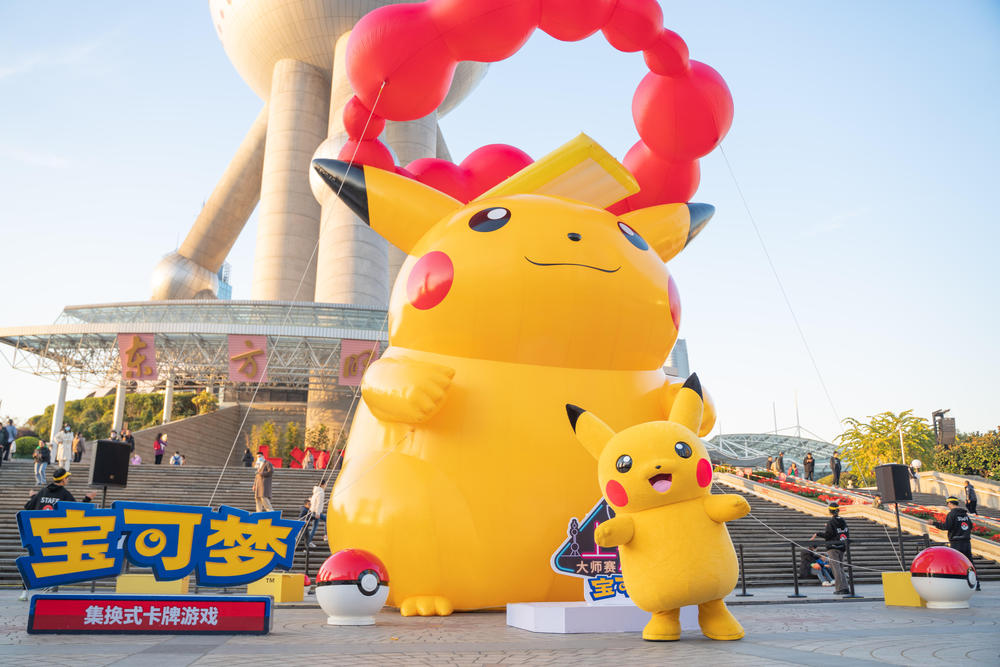
The tournament took place at the National Exhibition and Convention Center (NECC) in Shanghai and featured multiple competition divisions along with extensive side activities and media coverage. It showcased the rapid growth of the Pokémon TCG community in China, and its results had implications for Chinese players’ inclusion in international events such as the World Championships
Format
The tournament used the Standard format for deck construction in the main events. Players were required to build 60-card decks using cards legal in China’s Standard format as of late 2023. In practice, this meant that cards from the Pokémon TCG’s Sword & Shield series and newer sets (up through the latest Scarlet & Violet era releases) were legal, while older Sun & Moon-era cards had been rotated out of Standard.
No special bans beyond the official format rotation were noted for the event, so competitors could use any Standard-legal cards and strategies. Chinese-language cards were used, as the Simplified Chinese version of the TCG had been launched in 2022 and 2023 with localized sets. For enthusiasts, a separate “Sun & Moon format” side tournament was offered at the event for older cards, but the main Masters competition adhered to Standard rules
Age Groups
The event was open to different age divisions as noted:
- Open Division (公开组 in Chinese) for players aged 9 and up. This effectively served the role of the Masters division
- Junior Division (少年组) for roughly ages 13–17
- Children’s Division (儿童组) for ages 9–12
Players who were age-eligible for the younger groups had the option to play in Open instead if they preferred a higher level of competition, but each person could only register in one category. All divisions used the Standard format in their official matches.
Qualification
Participation in the Shanghai Masters was determined through a combination of invitation, qualification, and open registration. By the end of 2023, a Pokémon TCG championship points system had been established in China, and players earned points by competing in official events throughout the year.
Invitations
For the Shanghai Masters (the year’s final championship) the organizers for the first time implemented a partial invitation system. A select group of top players were invited directly into the Day 2 stage, bypassing the large Day 1 Swiss rounds. According to the official event details, six players with outstanding results in prior tournaments were invited straight into the December 17 group stage, including the champions of the year’s earlier Masters events in Guangzhou, Beijing, and Shenzhen. These invitees were joined by a few others who qualified through special means: the top two finishers of an invite-only “Points Invitational” tournament (a playoff among high-ranking players on the points leaderboard) earned slots, as did the winner of a separate “Shanghai Direct Qualifier” event. This accounted for most of the 10-player group stage lineup. The final spot in Day 2 was given as a wildcard – one player who scored at least 7 wins in the Day 1 Swiss rounds was randomly selected to advance to the group stage, adding an element of surprise for a deserving high performer.
Open qualification
The majority of participants, had to earn their way into the event via open registration or preliminary qualifiers. In the months leading up to the Shanghai Masters, a series of city-level qualifying tournaments (“预选赛”) were held across China, where top finishers could secure entry or even byes for the Masters.
Additionally, players with a high enough championship point total by late November were guaranteed a spot in the Masters if they registered by the deadline. After allocating spots to invitees and point qualifiers, the remaining slots were filled through an online lottery registration. Prospective players registered via the “Pokémon Card Game Member” mini-app on WeChat during November 15 – December 1, 2023. From these, up to 5,000 Open Division players were randomly selected to receive entry into the tournament, along with up to 500 in the Youth Division. An additional pool of about 2,000 players were drawn as standby alternates (“补录”), who could show up on the day of the event to fill any no-show or vacated spots.
Notably, for this event the organizers did not allow same-day walk-in registration; all participants had to either be selected in advance or be on the standby list. For the Children’s Division, a smaller number of spots were available and some on-site signup was permitted on Day 2 given the division’s competition took place entirely on December 17.
All players and spectators were required to obtain an entry pass for the venue due to crowd control and safety regulations. Registered competitors received entry credentials for the respective day(s) of competition. General audience members could acquire an entry ticket by purchasing a special “promo package” through an online ticketing platform. Real-name identification (government ID checks) was enforced at the venue to ensure that each registered player attended in person.
Tournament Structure
Tournament rules were enforced according to the official Pokémon TCG ruleset and the Pokémon TCG Tournament Regulations in China. Matches in Swiss and round-robin stages were single-game, so consistency and speed were important.
In the championship finals (best-of-three), the standard Play! Pokémon procedure was followed, including coin flips to decide starting player and an automated tie-break system if time expired mid-series. One notable rule used in this event was the “no draw” policy in Swiss rounds: if a game’s time ran out without a winner, both players received a loss for that round. This encouraged decisive play and avoided complications with tie records given the huge player count.
Players were also not allowed to modify their decks during any single stage of the tournament (no sideboards), though deck changes between Day 1 and Day 2 were permitted – competitors who reached the group stage on Day 2 could submit a new deck list before play began, allowing them to adjust their strategy overnight if desired.
Preliminaries
The preliminaries were played in a Swiss format with best-of-one matches. In the Open and Juniors Group, up to 10 rounds of Swiss were played to determine a top cut.
The Junior’s Group took a different approach to their preliminaries, using a “Breakthrough zone” system. All players would start in the “0-win” zone, and as they won they would move up to the next “1-win” or eventual “2-win” zone. The first 16 trainers to win a game while in the 2-win zone would advance to the next stage.
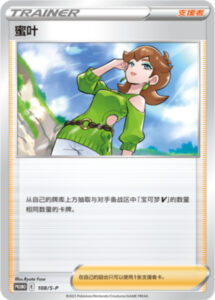
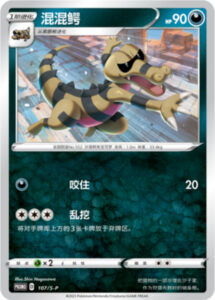
All players who participated in the preliminaries were given a promo pack containing 1 random card from below:
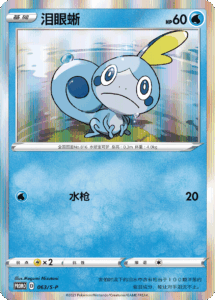
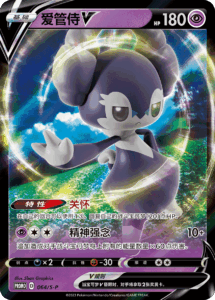
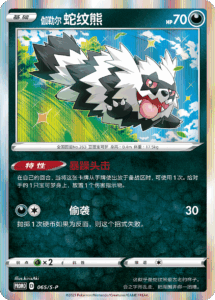
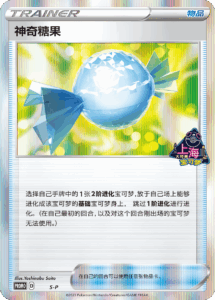
Open group players who won 5 or more games would get a stamped Rare Candy promo card with the event’s logo. Junior division players would have to win 4 games to earn this card, while Children’s group players would have to win 3.
Group Stage & Finals
After Day 1’s Swiss rounds, only a small set of players advanced to Day 2. The Day 2 main stage combined pre-seeded invitees (champions from earlier Masters events, points leaders, and other special invite winners) with the handful of survivors from the Swiss gauntlet.
Players were grouped into two groups of 10 players each, during which they would have to play a best-of-one game against everyone in the same group (9 rounds total). The winner of Group A and the winner of Group B (based on overall match record, with tie-breakers as needed) each advanced to the Grand Final.
No semifinal or top 4 was played — the system was designed to ensure two clear finalists after the round robin.
The top 64 players in the Open Group received a Top 64 stamped Rare Candy with the tournament logo.
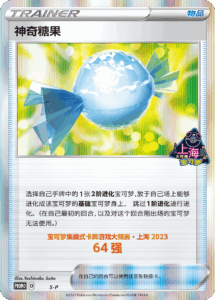
Players in all age groups who placed 5th – 8th would receive a Top 8 stamped Rare Candy with the tournament logo.
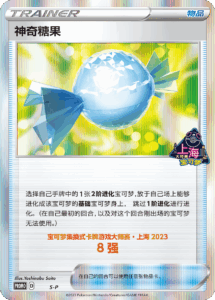
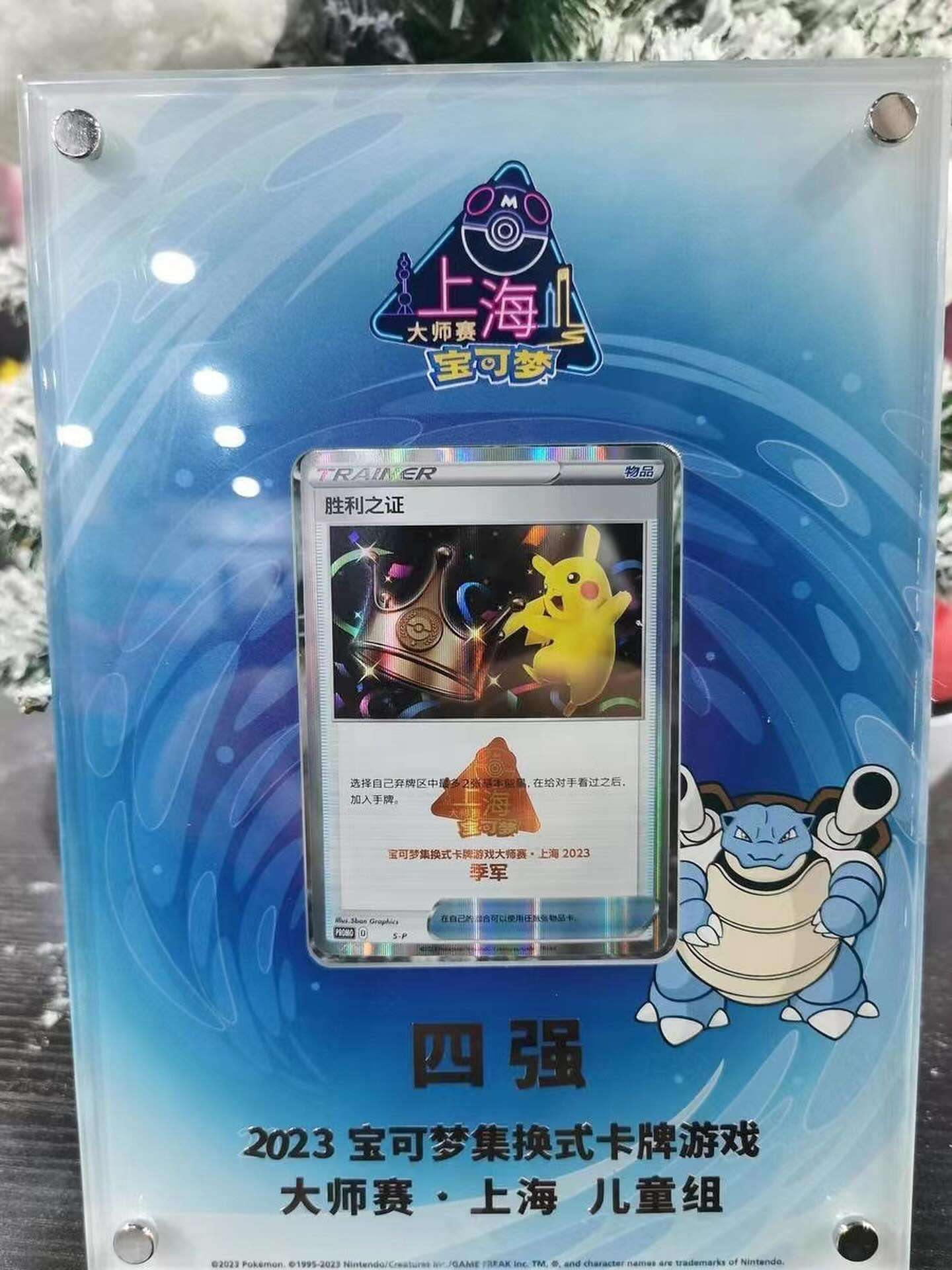
The 3rd and 4th place players of each age group would receive both a 3rd place Rare Candy and a 3rd place Victory Proof card.
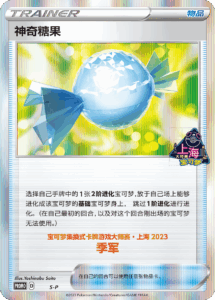
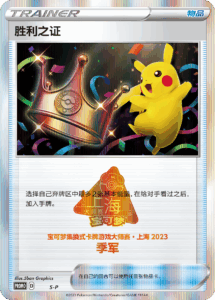
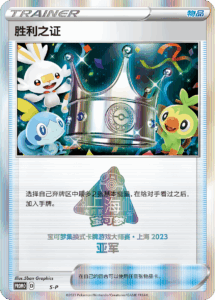
The 2nd place players of each age group would receive both a Runner-up Rare Candy and a Runner-up Victory Proof card.
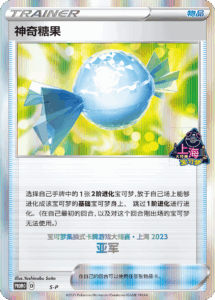
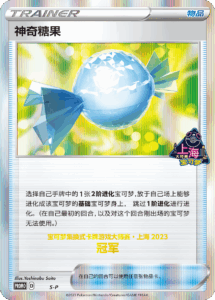
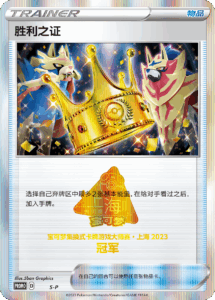
The champions of each age group would receive both a Champion Rare Candy and a Champion Victory Proof card.
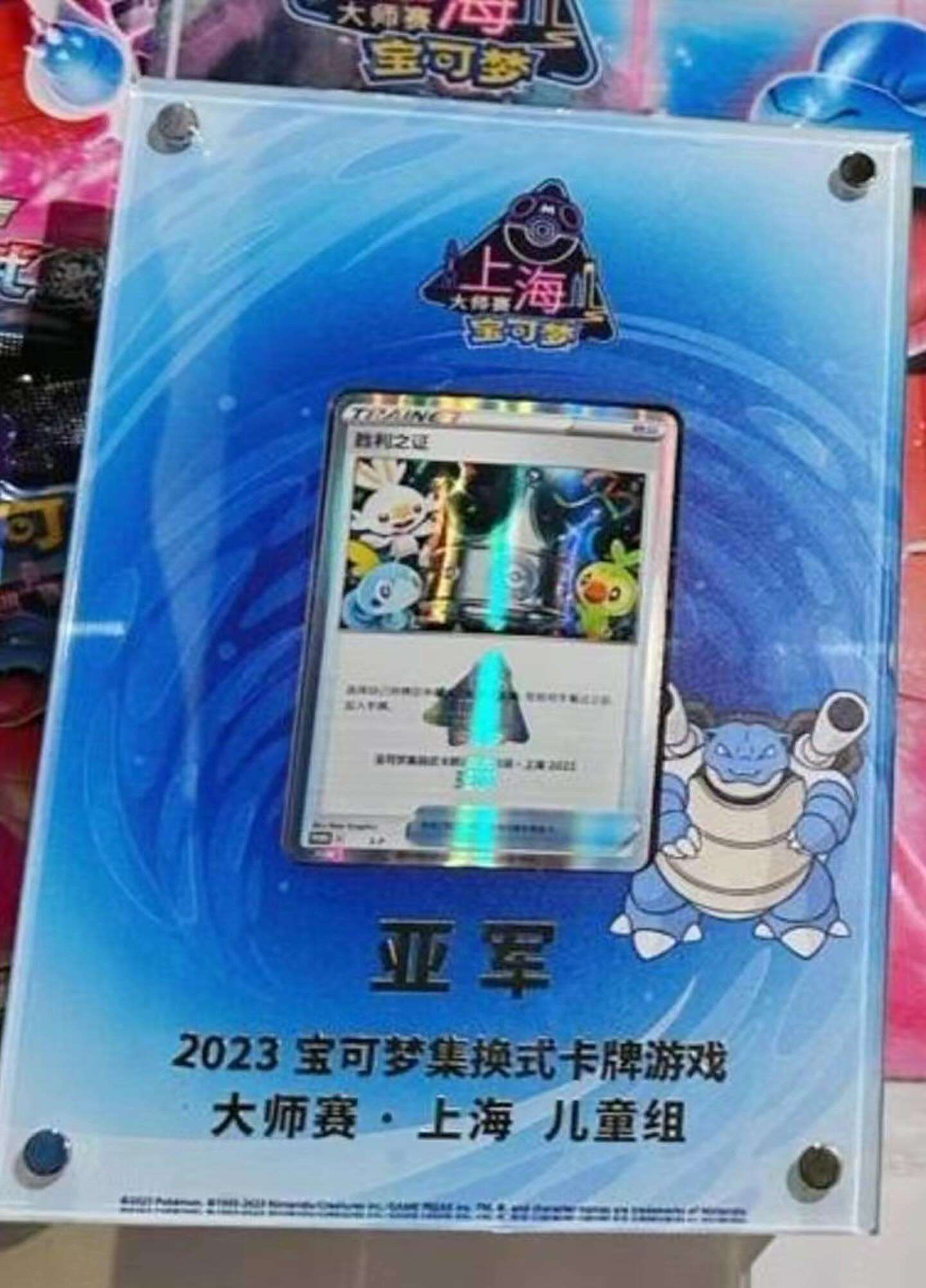
The top 4 placements were all presented in a Shanghai-themed acrylic plaque.
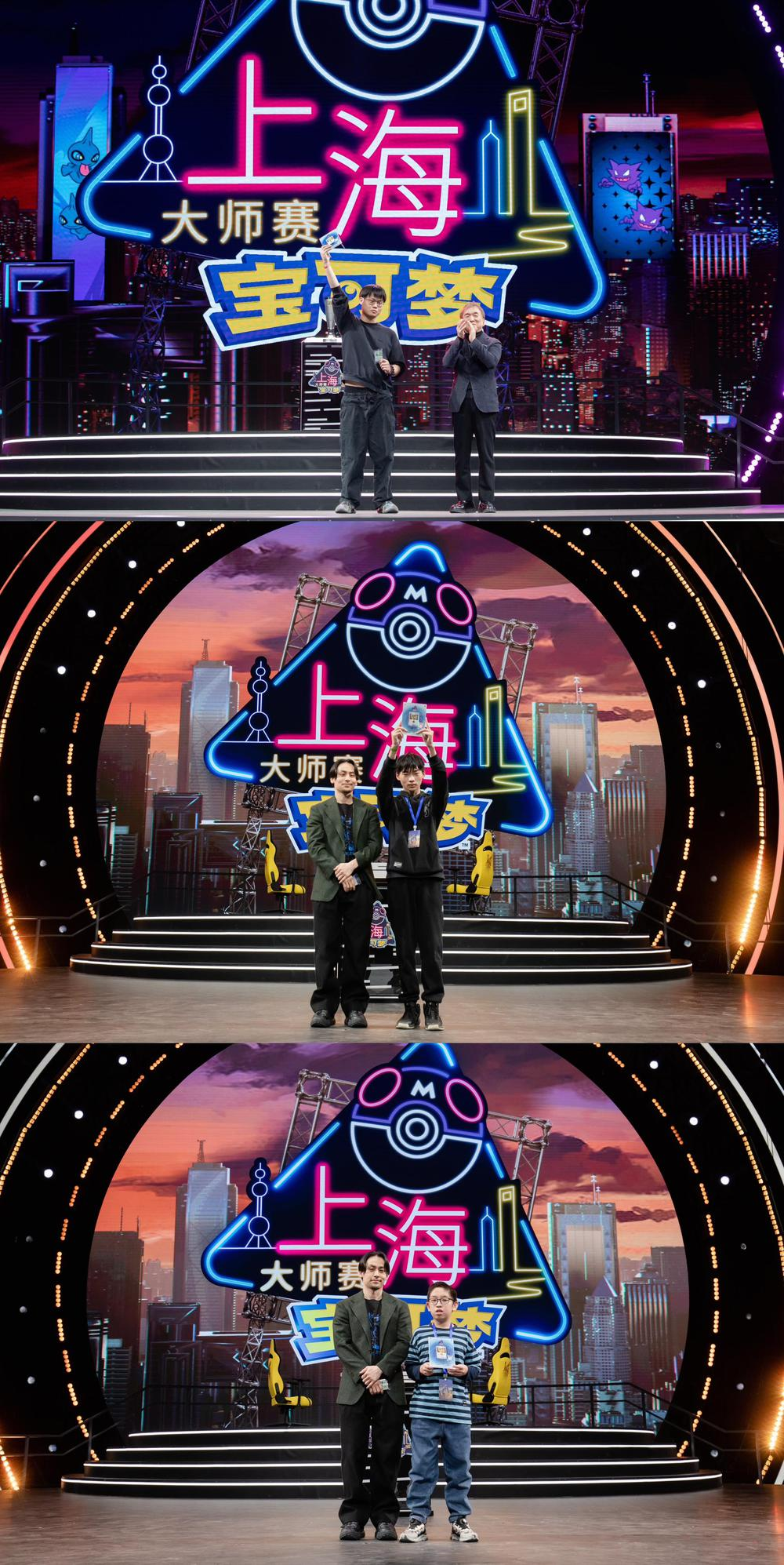
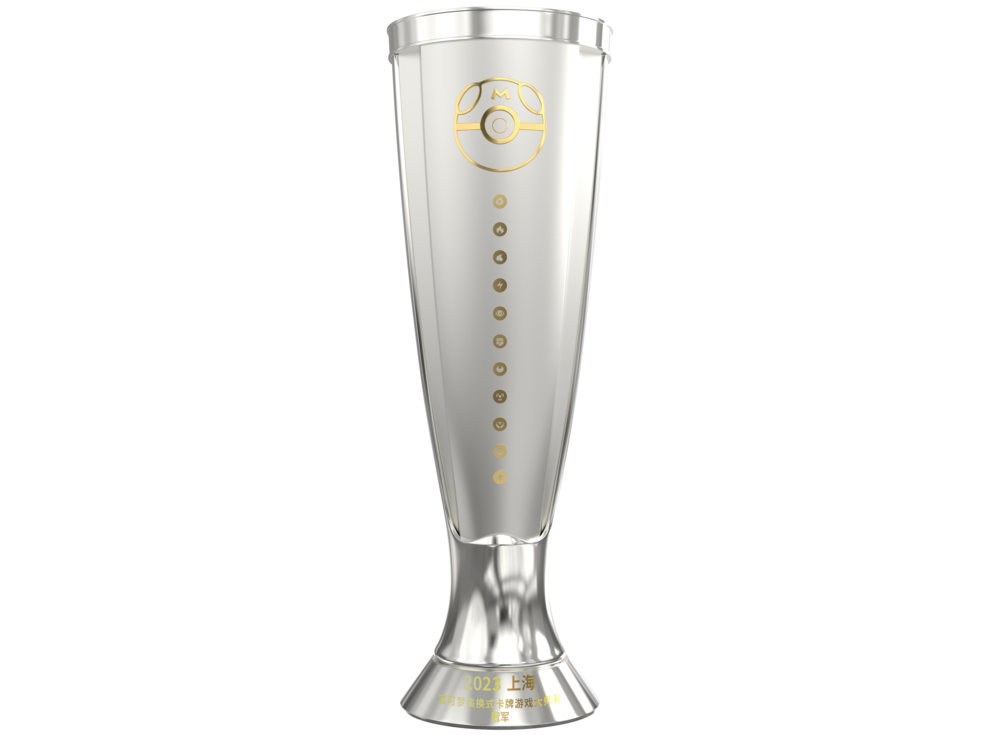
The Pokémon Company Chairman and CEO Tsunekazu Ishihara attended the event, presenting awards to the champions of the Pokémon Card Open Division and Pokémon Unite Pioneer Tournament. The Open division champion received a special trophy cup.
Side Events
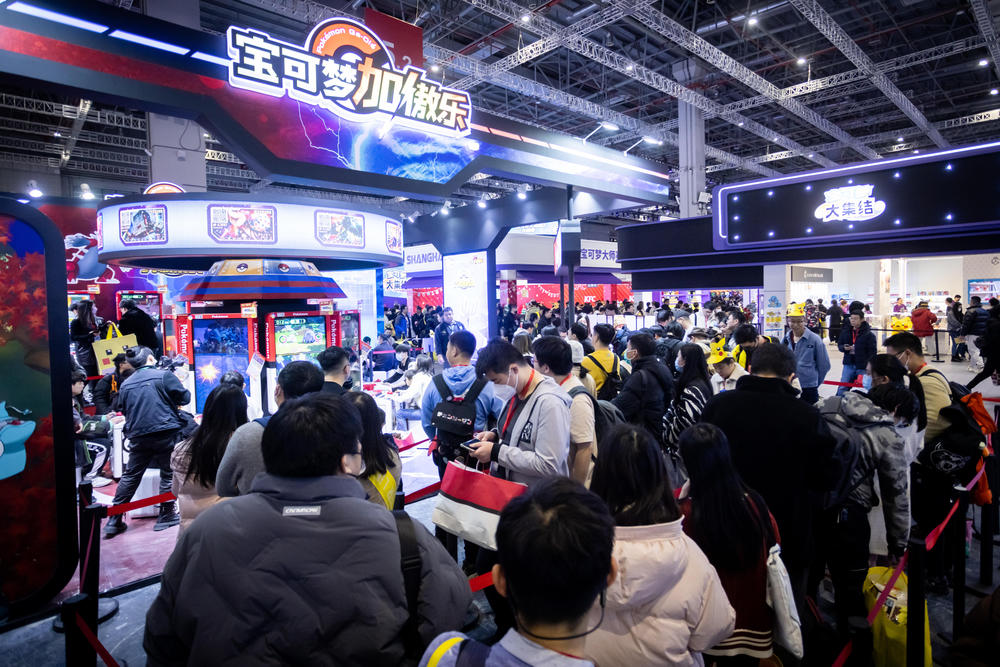
Like major tournaments in other regions, there were also numerous side events for attendees to participate in. These events would give points that could be redeemed for exclusive merchandise at the event.
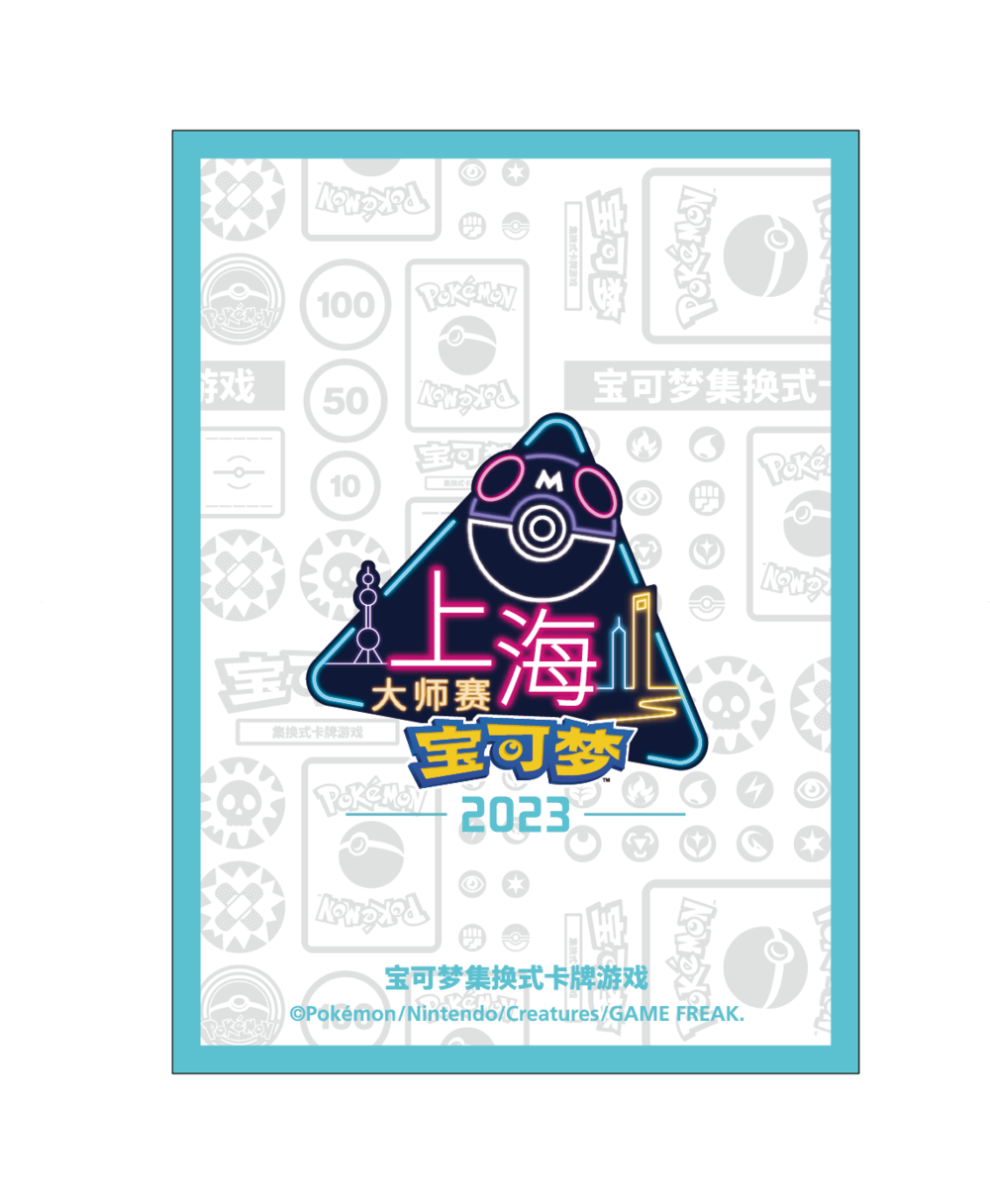
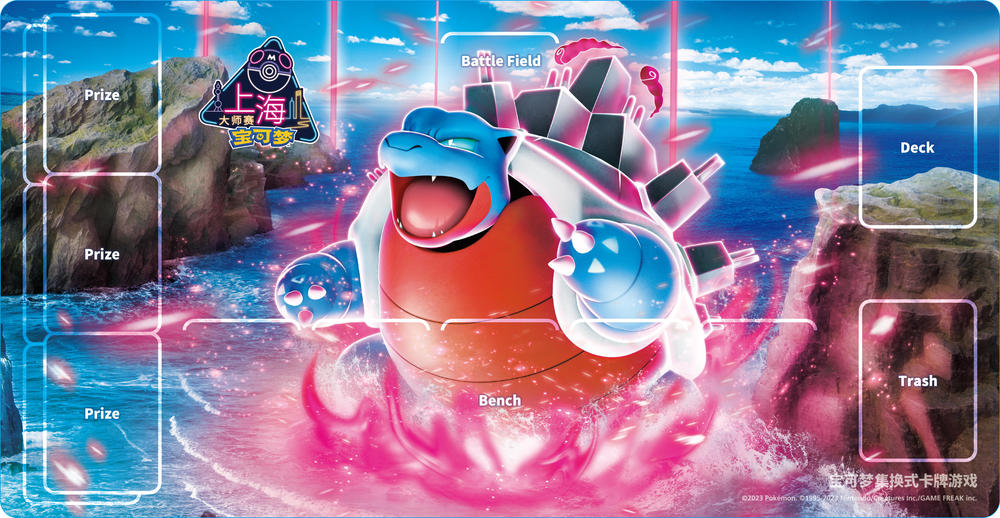
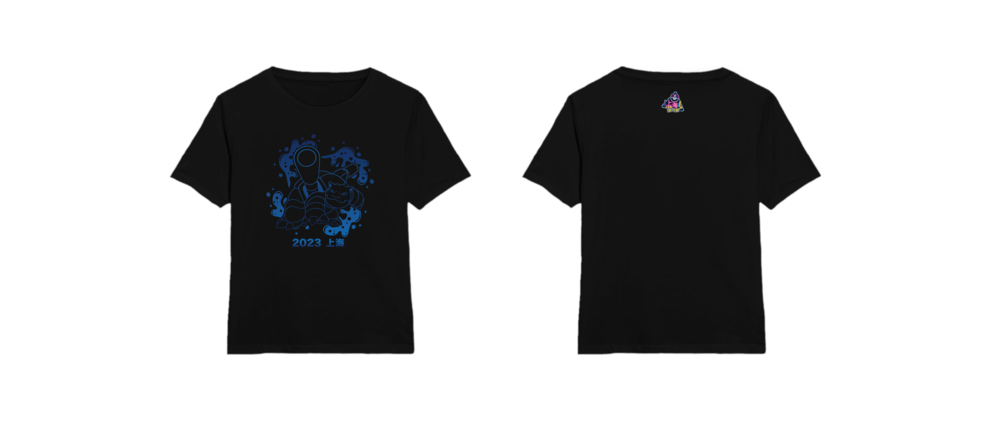
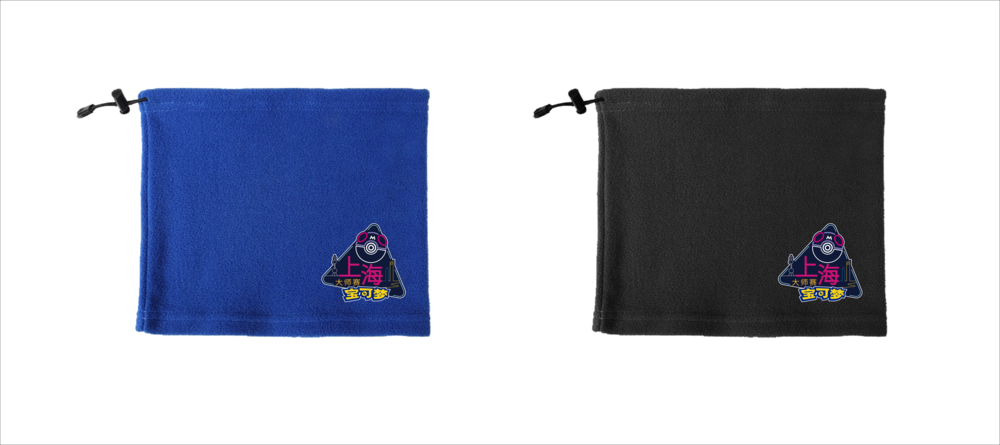
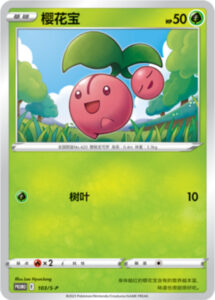
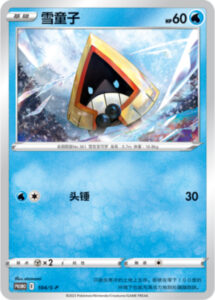
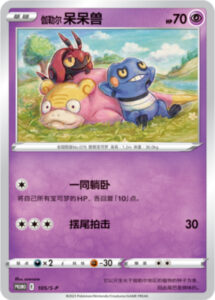
Participating in side events would reward players with a sealed pack that contained a random card from below:
Pokemon Unite Pioneer Tournament
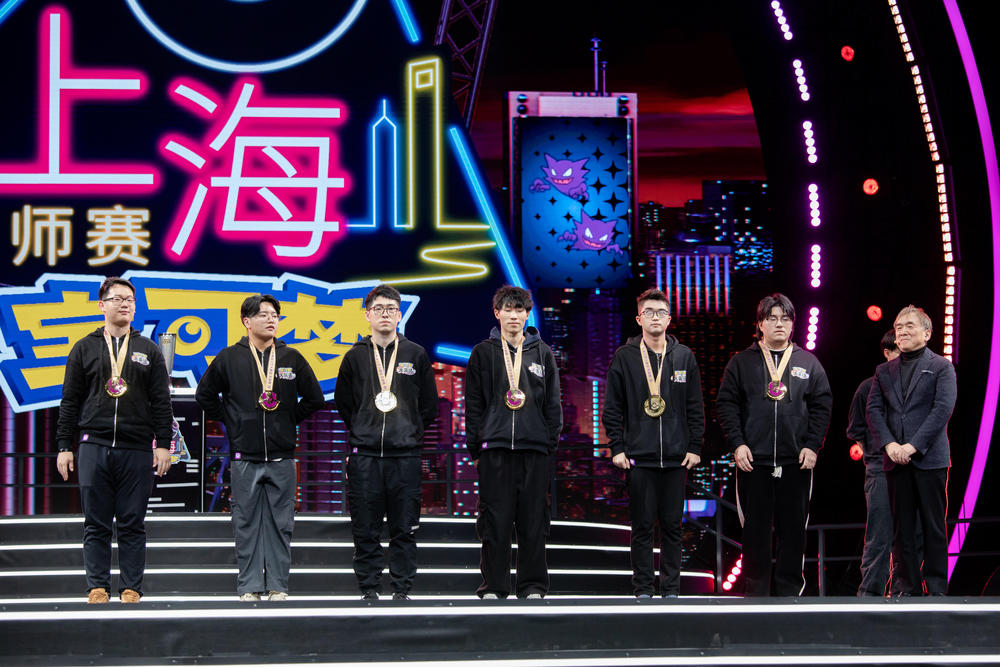
A Pokémon UNITE “Pioneer Tournament” was held as a side competition on both days, featuring top teams in the Pokémon UNITE video game (a 5-on-5 MOBA). After two days of matches, the CRose team emerged as the UNITE champions, winning a thrilling final that went down to the last moments. Their medals were presented by Pokémon Company Chairman and CEO Tsunekazu Ishihara.
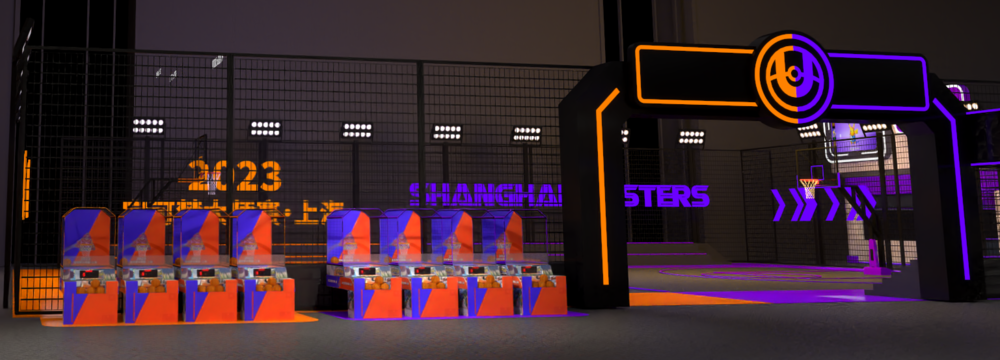
There was also a Poke-basketball throwing activity, reminiscent of the Unite scoring mechanic at the event.
Pokémon Cards Beginner Classroom
This event was meant for new or beginning players to learn how to play the Pokemon TCG. Trainers who participated in it would get a paper playmat.
Newbies welcome!
This side event was meant for Trainers to learn more advanced techniques. Preconstructed decks were distributed to participants to use.
Points were awarded based on the number of wins.
TAG TEAM Doubles
This side event was a 2v2 team event. Each team would compete in best-of-1 matches, with points being awarded based on the number of wins.
Fairy Eevee Challenge
This side event was meant to increase the representation of female Trainers playing the TCG. Only girls were allowed to compete in this event.
Points were awarded based on the number of wins.
Breakthrough
This side event had “zones” similar to the Children’s Group tournament. There were 0, 1, 2, and 3 win zones, with a player advancing to a new zone with each corresponding win. Upon winning a match in the 3-win zone, the player would make a “breakthrough” and win the competition.
Points were awarded based on the number of wins.
Battle Party Experience event (8-player competition)
This event had an entry fee of 28 yuan and was an 8-player competition. Participants had to use the Pokémon Card Mini App to register for the event. It utilized a new product made specifically for in-person side events called the Battle Party Pack.
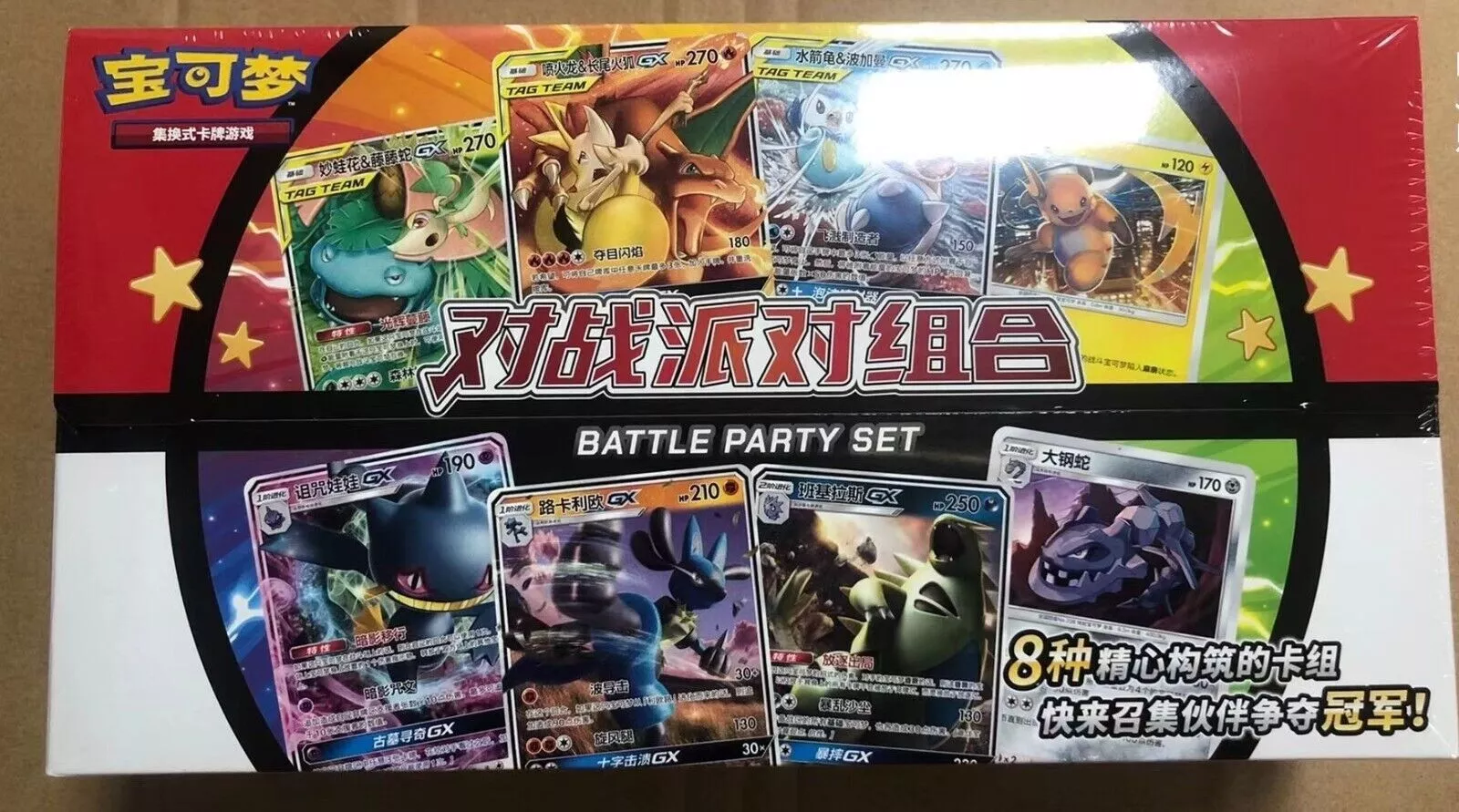
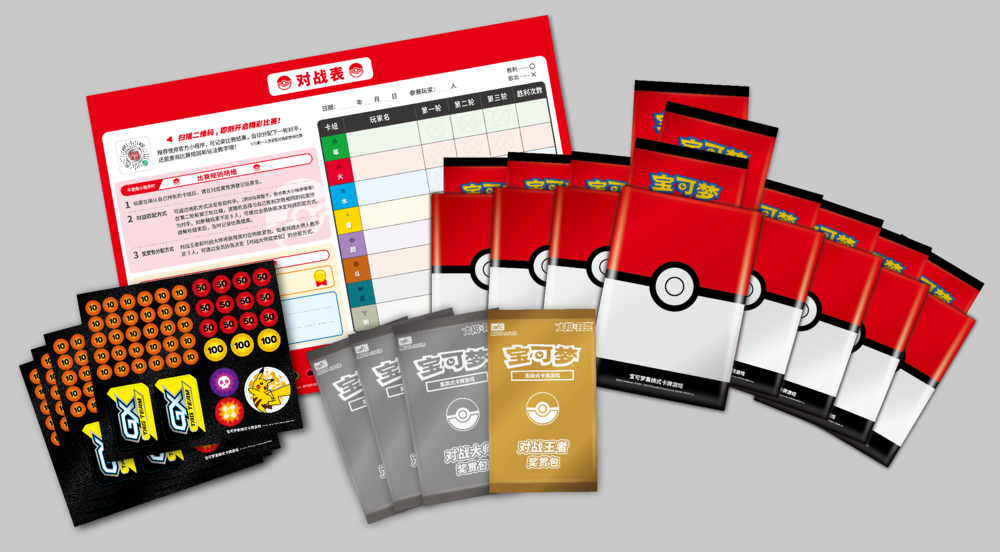
Each Battle Party Pack includes eight 60-card decks that represent a different type, three Battle Master Reward Packs, one Battle King Reward Pack, a score sheet, and four cardboard sheets containing damage counters, Special Condition markers, GX markers, and a coin.
The cards from each deck are enclosed in three 20-card packs, which are held in a plastic wallet. Each pack bears the expansion code of the deck it belongs to, should the box contents become jumbled. The cards within these packs are always the same for each deck; however, each one has a chance to have all cards inside printed in Reverse Holofoil instead of the standard non-Holofoil.
Battle Master Reward Packs come in silver packaging and contain one random card from the Reward Packs’ regular card list. Battle King Reward Packs come in gold packaging and contain one random card from the Reward Packs’ Secret card list. All cards from the Reward Packs are Holofoil.
Trainers would randomly select 1 Battle Deck to compete in 3 rounds of Swiss Battles. Based on the actual battle results, 1 Battle King and 3 Battle Masters would be decided, and they would receive the gold Battle King Reward Pack and silver Battle Master Reward Pack included in the [Battle Party Pack accordingly.
Battle Party King’s Contest (64-player competition)
This event had an entry fee of 32 yuan and was an 64-player competition. Similar to the 8-player Battle Party Experience event, it utilized the Battle Party Pack product.
8 groups of 8 players would each open open one Battle Party Pack per group and compete in a 3-round Swiss tournament.
The 8 winners of each group would then open a new Battle Party Pack in the finals and use those decks to compete in another 3-round Swiss tournament to determine a champion.
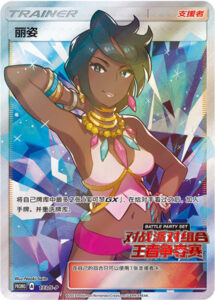
All trainers who participated in the event received a promotional Olivia card.
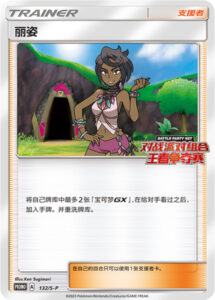
The champion of each event would also receive a full art etched holofoil Olivia promo card.
Carnival
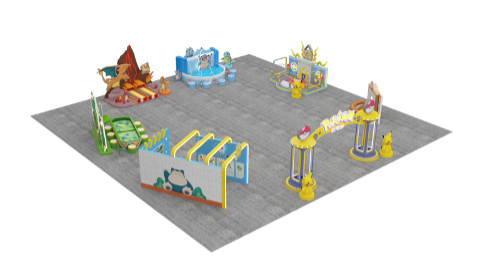
At the event were also other attractions besides Pokemon TCG-themed ones. These were known as the Pokemon Carnival.
There was a “trainer challenge” area themed around four attributes: “grass”, “fire”, “water” and “electricity”. Attendees could participate in these challenges to get prized.
Attendees could also go to a fake campsite area called the Pokemon Animation Gallery Warm Winter Campsite to answer questions, interact, take photos, watch videos, and experience the fun of warm winter camping.
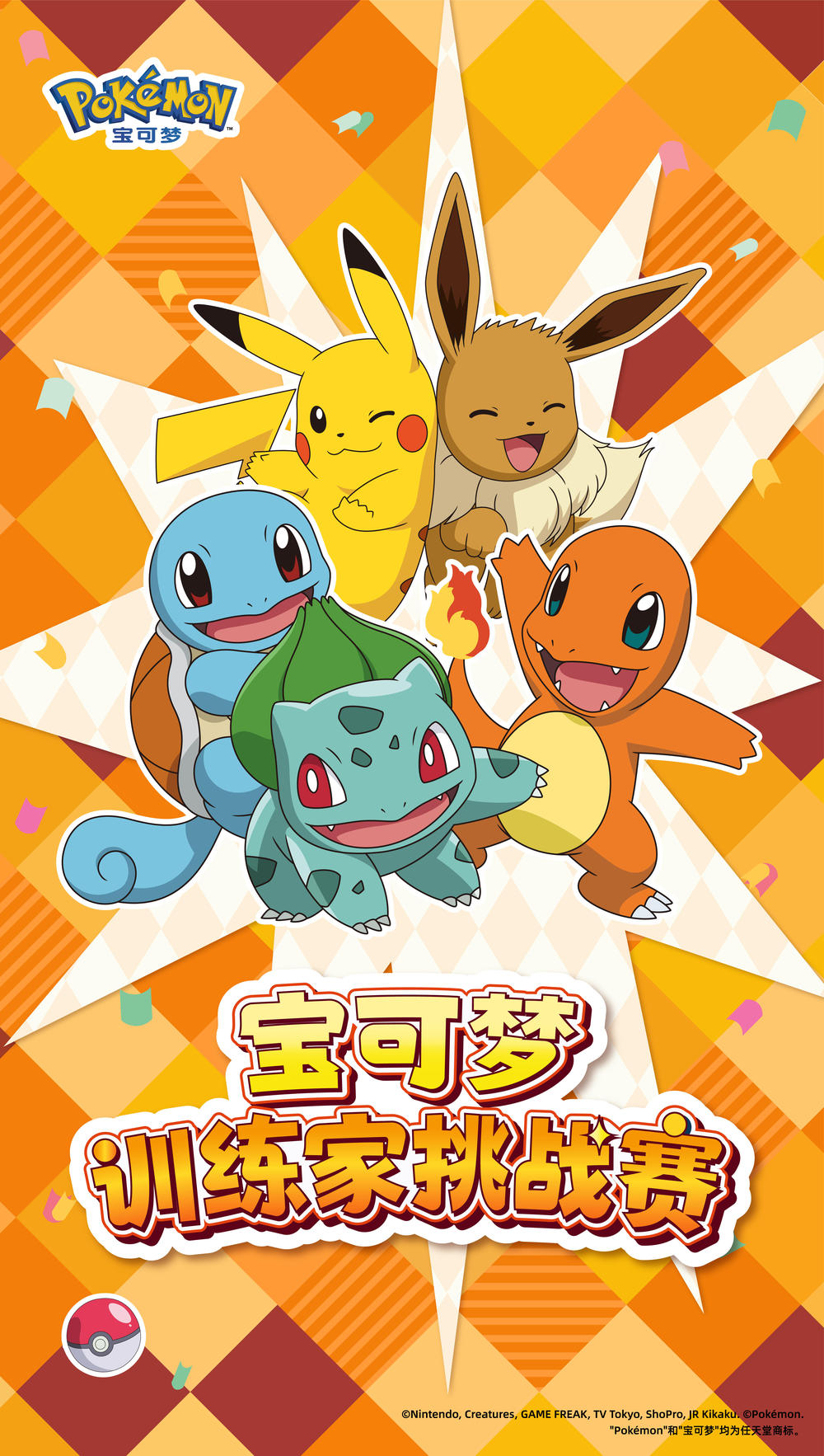
In addition to multiple other activities for attendees, there was a Sales Area to buy products and merchandise