

Pokémon Battle Carnival 2011 was a pair of official Pokémon Card Game events held in Japan in late 2011. As the first Battle Carnival tournaments of the Black & White era, they were large-scale festivals featuring competitive Trading Card Game (TCG) tournaments, side activities for all ages, and exclusive promotional merchandise.
The 2011 series was only held in the autumn – no spring event took place that year (the spring season was curtailed in the aftermath of the March 2011 Tōhoku earthquake and tsunami). The autumn Battle Carnival took place at Mydome Osaka on November 5–6, 2011 and at Sunshine City in Tokyo on November 19–20, 2011.
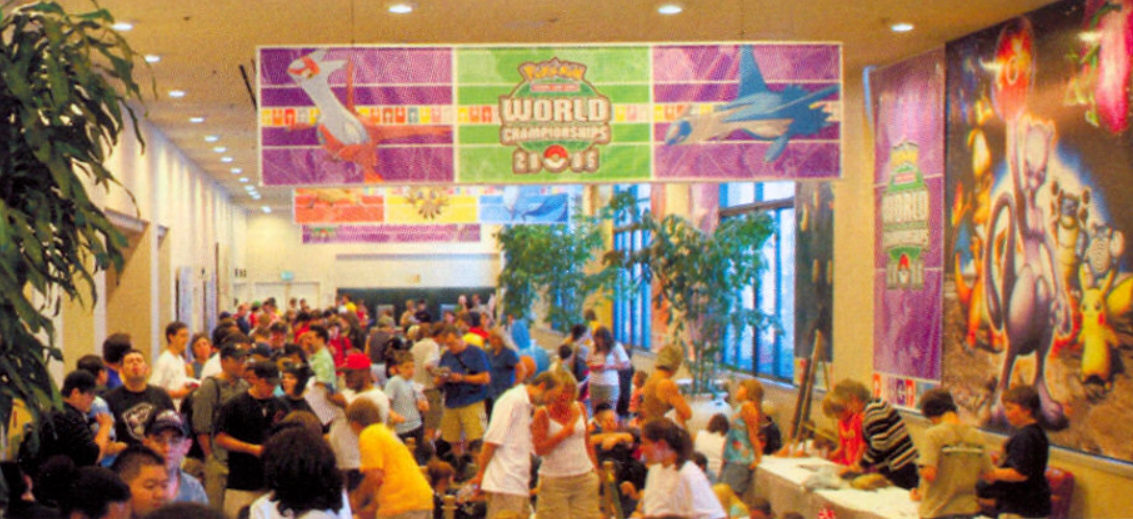
Each venue ran as a full-day public event (approximately 10:00–17:00) with free admission. Thousands of Pokémon fans, from young beginners to veteran players, attended to enjoy tournaments, demos, and collect commemorative items.

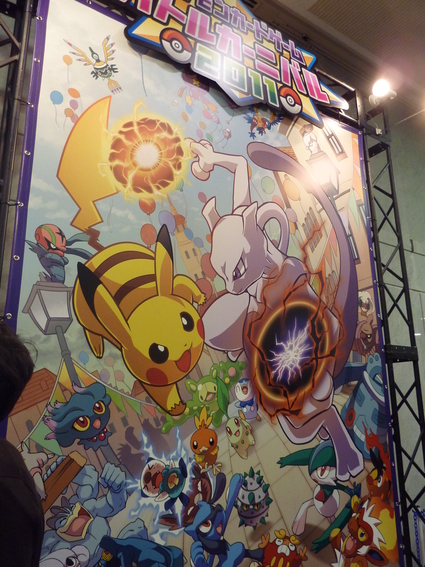
The event’s key visual (illustrated by Hitoshi Ariga) depicted Pikachu, Mewtwo and other Pokémon in a festive scene, and was featured on promotional mini-folders and signage.
Every visitor at the event, whether player or spectator, was given a special Pokémon coin upon entry. This was a silver 15th Anniversary coin (the same design included in the TCG 15th Anniversary Premium Set) featuring a Poké Ball and the number 15.

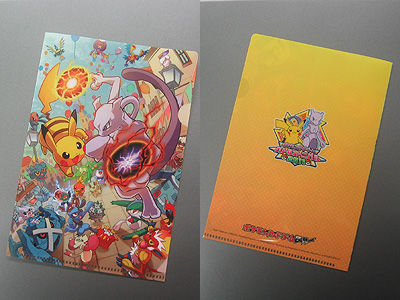
Additionally, visitors could trade an event flyer found at Pokemon Center stores for an event-exclusive clear file. They could also show a specific preconstructed deck (“Beginning Set”) that was available for purchase at the venue to receive the clear file.
Victory Cup TCG Tournament
At the heart of each Battle Carnival was the Victory Cup tournament, an open-entry Pokémon TCG competition that crowned champions in each age division. The 2011 Victory Cup was structured as a three-league tournament:
- A League (open to elementary school students and younger)
- B League (open to junior high school students and above)
- Open League (O League) open to all ages
The A and B Leagues played using a Black & White–on format, allowing cards from the Pokémon Card Game BW series (2010 onward), while the Open League was a broader format using Diamond & Pearl–era cards under “Hall of Fame” rules (a special format that permitted older cards with certain restrictions). This allowed both newer players and longtime competitive players to participate on a roughly even footing in their respective divisions.
Tournament Structure
The Victory Cup used a multi-stage format. This structure meant that hundreds of players could participate casually, while consistently winning players would filter up to the competitive finals.
Challenge Stage
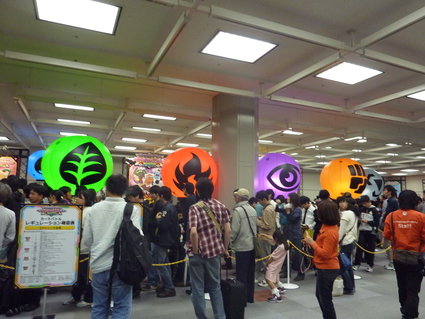
All registered players began in a massive Challenge Stage, playing single-game matches. Any player who achieved three consecutive wins in the Challenge Stage “cleared” that stage and advanced to the Premier Stage. Players could not change their deck during a win streak.
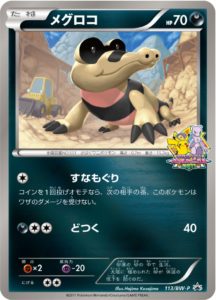
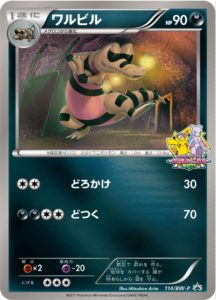
All players who participated in this stage received two reverse holofoil promo cards with the event’s stamp.
Premier Stage
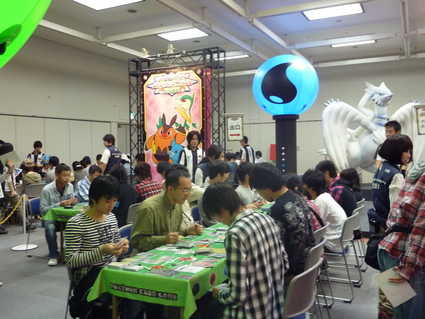
In the Premier Stage, players who had advanced from the Challenge stage would pair up against each other. Players would play games until they lost, and their number of consecutive wins would be recorded. Players who lost could restart their streaks and try to get a higher score.
All players who reached this stage were awarded with two more reverse holofoil promo cards.
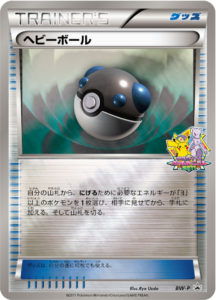
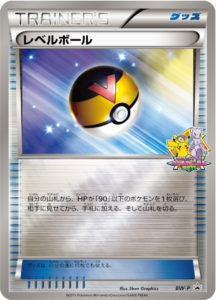
At 2:00 PM, the top players by win streak progressed to a single-elimination Climax Stage finals. If players were tied in their streak score, rock-paper-scissors was used as a tiebreaker.
Climax Stage
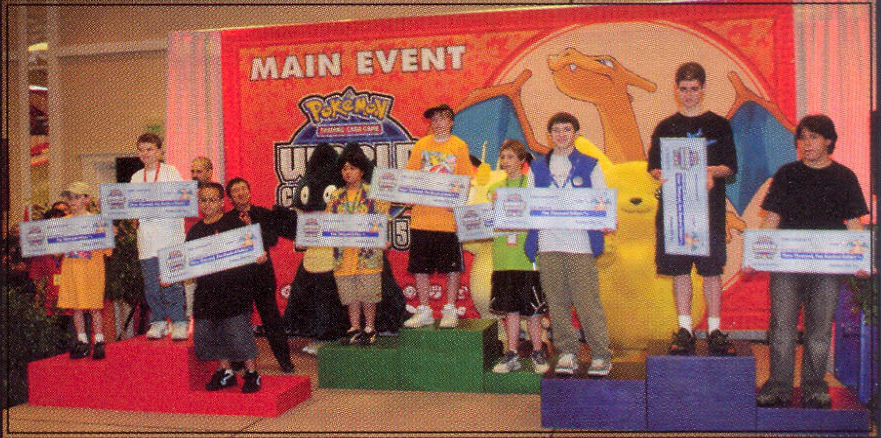
The Climax Stage matches were best-of-three games (with a 60-minute limit) to determine 1st, 2nd, and 3rd place in each league. Each Battle Carnival venue (Osaka and Tokyo) produced its own set of league champions.
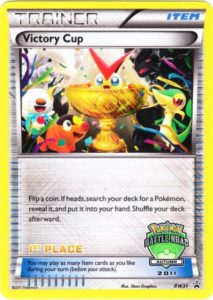
Winners received a Victory Cup promo card depending on their placement. Since 2011 only had 2 tournaments due to the earthquake earlier in the year, only 6 copies of each Victory Cup were printed with the 2011 designation.
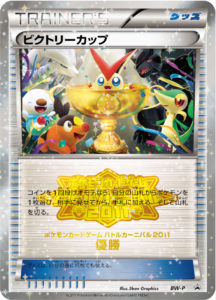
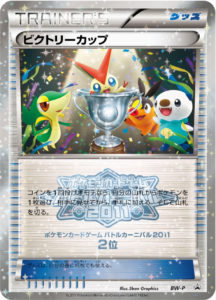
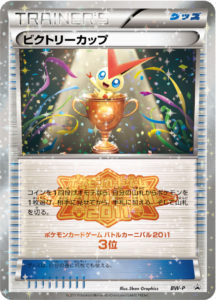
Top winners in each league also were awarded an array of Pokémon TCG products.
- 1st place: Booster box each of the then-new expansions BW Psycho Drive and BW Hail Blizzard, Reshiram-EX and Zekrom-EX Battle Strength decks, and a Pokémon Card Game 15th Anniversary Premium Set
- 2nd place: 10 boosters each of the then-new expansions BW Psycho Drive and BW Hail Blizzard, and the Reshiram-EX and Zekrom-EX Battle Strength decks
- 3rd place: 5 boosters each of the then-new expansions BW Psycho Drive and BW Hail Blizzard, and the Reshiram-EX and Zekrom-EX Battle Strength decks
Side Events
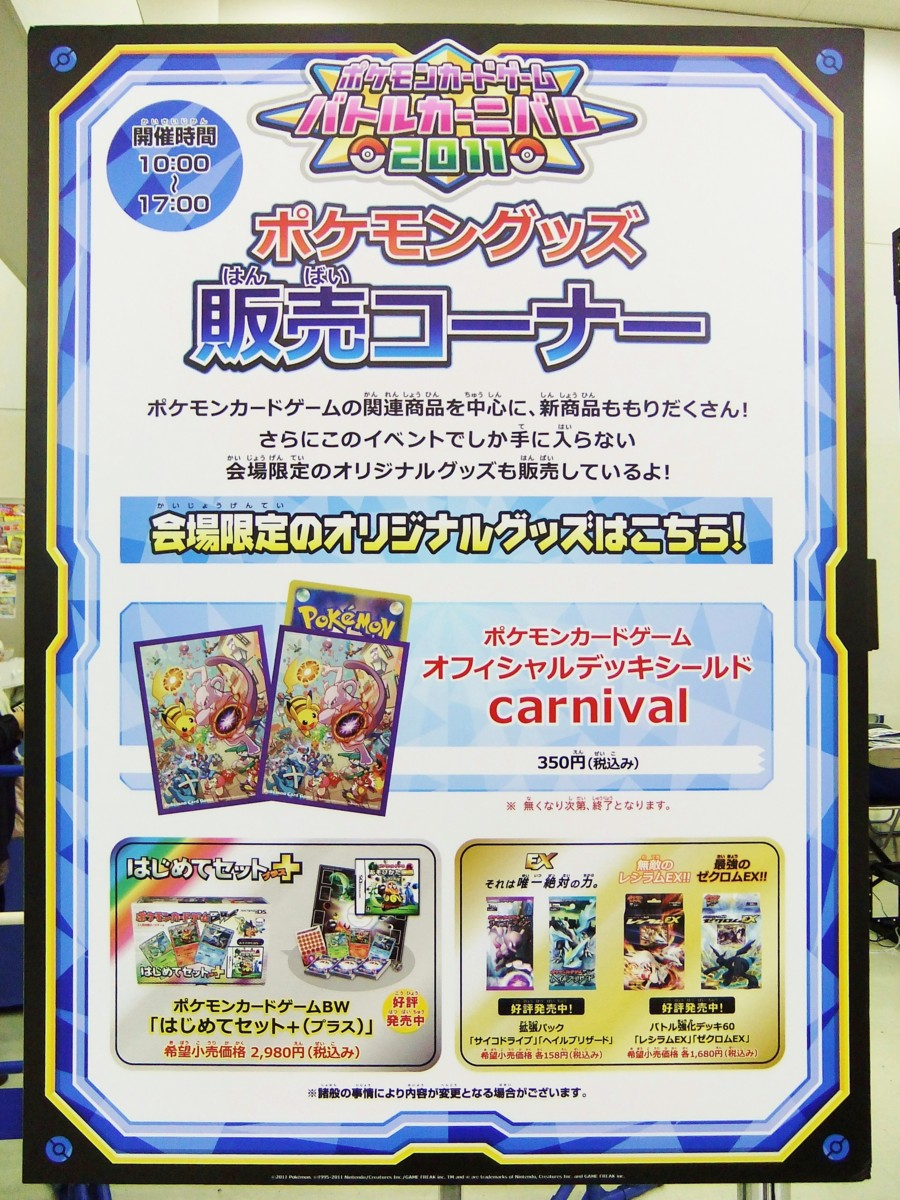
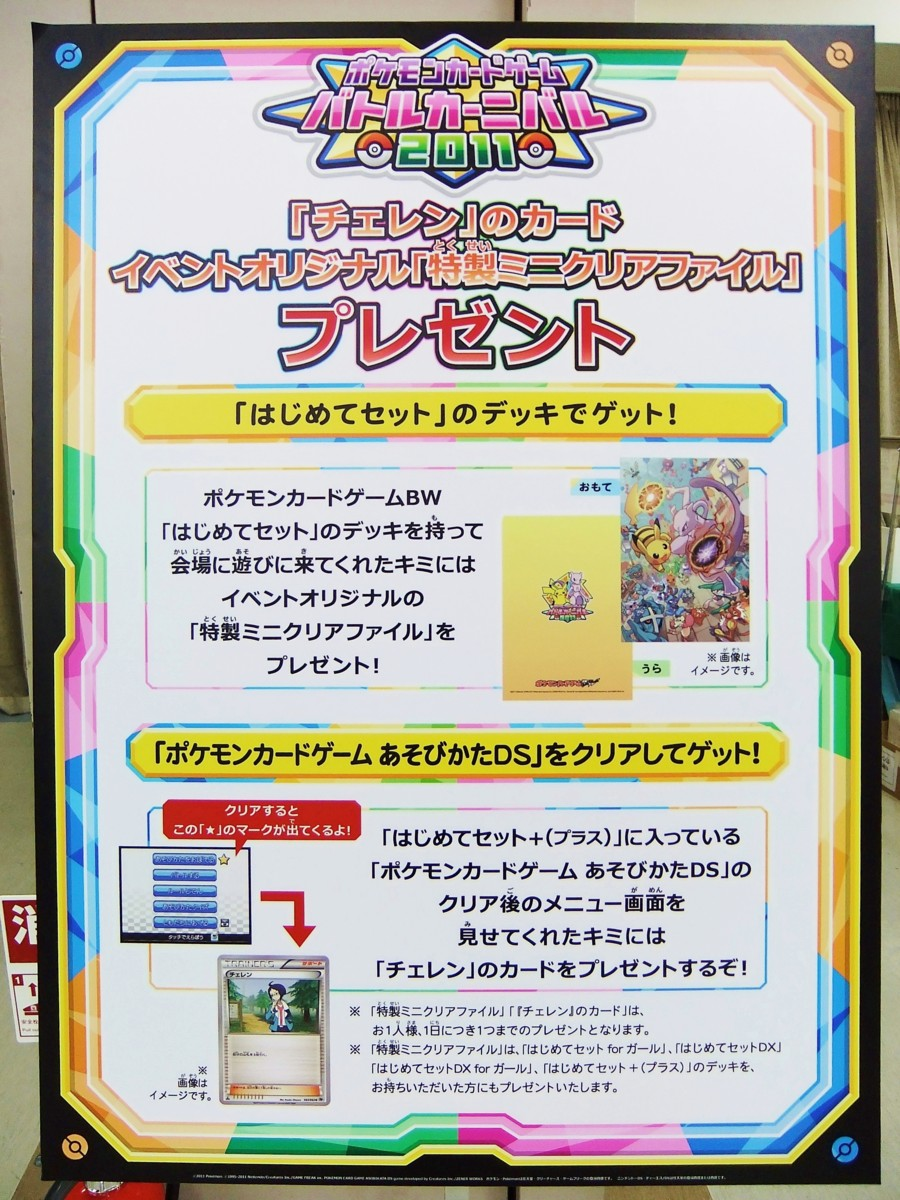
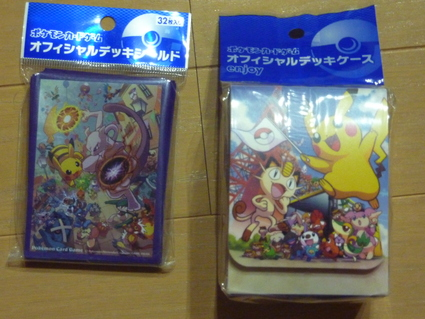
Beyond the main tournament, Pokémon Battle Carnival 2011 offered a variety of side events, demos, and interactive attractions to engage attendees in both the TCG and the wider Pokémon experience.
These side activities catered to different skill levels – from complete beginners learning the game, to casual fun battles, to unique challenges against VIP guests – and often rewarded participants with stamps, prizes or promo items.
Pokemon Card Game Experience Battle
This was a beginner-friendly play corner where new or young players could learn how to battle in a simplified setting. Participants could borrow half-decks (30 cards) or full 60-card decks and play short matches with guidance.
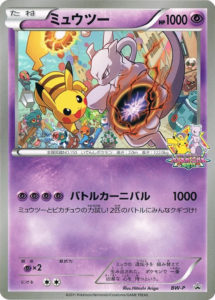
The idea was to teach the basics of the TCG in a hands-on way. Each person who joined the Experience Battle received a special sticker featuring the event’s key artwork as a participation gift. In addition, if a player completed at least one battle using a 30-card deck and one using a 60-card deck, they earned a “clear” prize: an oversized Mewtwo jumbo card.
Reshiram vs Zekrom One-Day Battle
This was a special team-based competition held in the afternoon at each venue, intended as a fun side tournament separate from the main Victory Cup. Participants chose to join either “Team Reshiram” or “Team Zekrom,” and battled other players from the opposing team during a designated period.
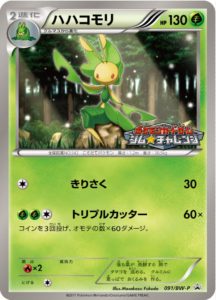
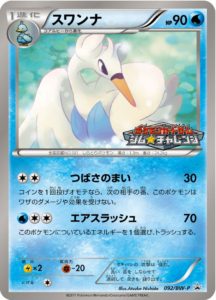
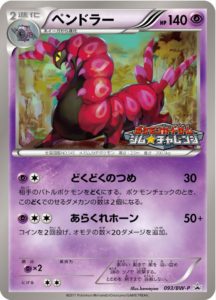
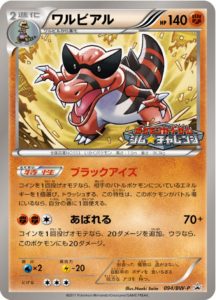
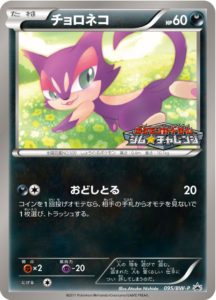
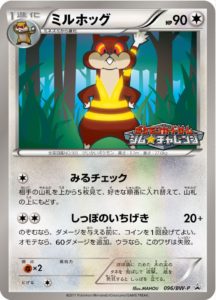
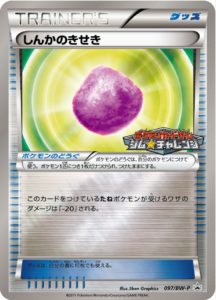
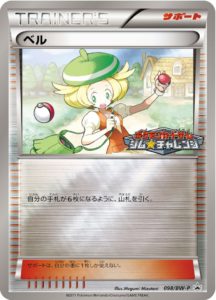
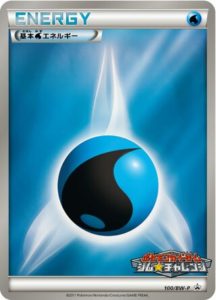
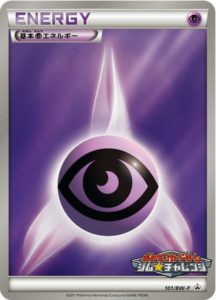
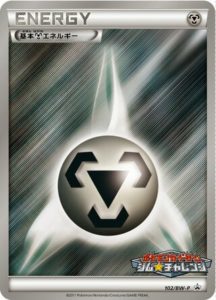
To make it accessible, the One-Day Battle was split into two age groups (A and B divisions, similar age cut-offs as the main event). Each player received a promo pack (the Gym Challenge Promotional Card Pack, September 2011 edition) as a participation prize.
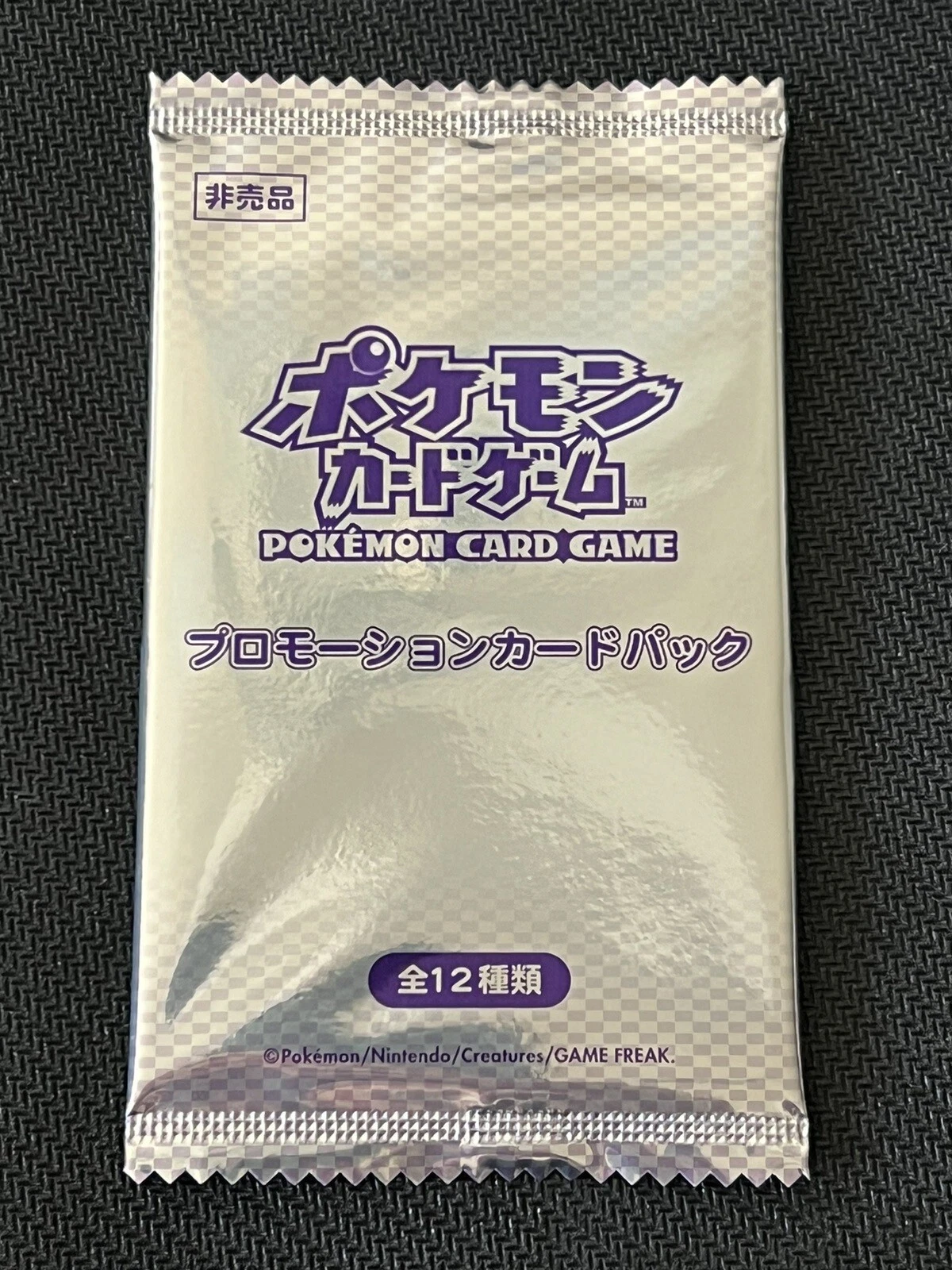
This pack contained one of 12 random promo cards.

Challenge the Special Guest!
One of the most exciting attractions was the chance to battle celebrity guests on the Pokémon card game stage. The special guests included top-performing Japanese players (e.g. World Championships finalists), members of the Pokémon TCG development/design team, and other notable figures from the community.
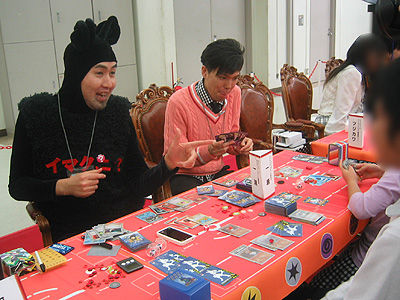
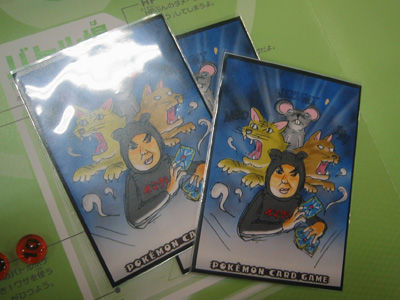
For example, the famous costumed entertainer Imakuni? (known for his appearances in Pokémon TCG events) was reported to be in attendance on the Tokyo day, offering whimsical battles against fans. Players could queue to duel a special guest in a one-on-one match. The rules were flexible – guests could accommodate either beginner decks or standard decks (even Hall of Fame format could be used), ensuring anyone had a chance to play.
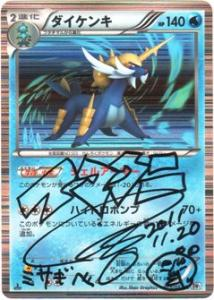
Winning against a Special Guest would earn players three promotional card packs from the Gym Challenge Promotional Card Pack, September 2011 edition. In addition, this gave attendees the opportunity to get cards signed by the special guests and receive special gifts.
Legacy
The 2011 Pokémon Battle Carnival marked the revival of large-scale official TCG events in Japan after a period of restructuring during the early BW era. It effectively replaced the older “Battle Road” tournament series with a more festival-like approach.
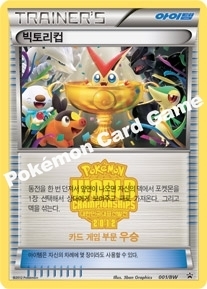
Because the Spring 2011 events were canceled, the Autumn 2011 Battle Carnival carried extra significance as the sole major Pokémon Card Game competition in Japan that year. This would also be the first region to distribute Victory Cups as a trophy card, with the US and Korea later distributing their own versions for their events.
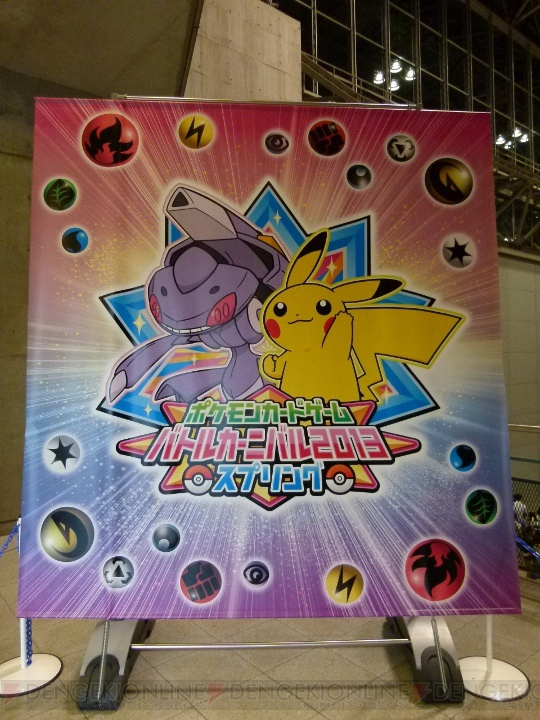
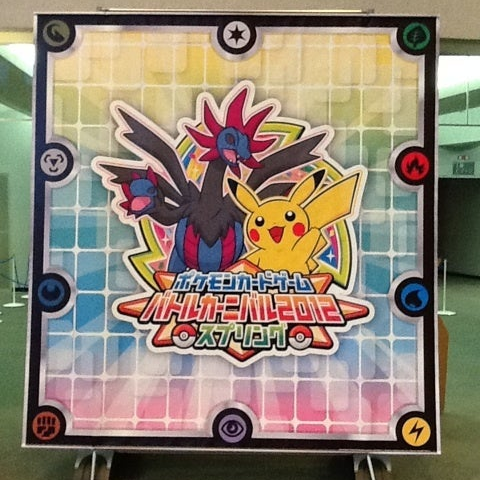
The success of Battle Carnival 2011 paved the way for expanded Carnival events in 2012 and 2013. In 2012, The Pokémon Company organized Battle Carnival 2012 Spring (with multiple regional stops in Sendai, Yokohama, Nagoya, Osaka) and Autumn 2012 (in Sapporo, Osaka, Tokyo), each with their own Victory Cup tournaments and promo card lineups.
By 2013 Spring, the format evolved further (introducing a “World Challenge Tournament” and even more side events). After 2013, the “Battle Carnival” branding was retired and replaced with new tournament series (e.g. the Mega Battles in the XY era).
Nevertheless, the 2011 Battle Carnival remains a historic milestone for the Pokémon TCG in Japan: it re-energized organized play after a difficult year, introduced some of the BW era’s first prize cards, and left fans with enduring memories of a Pokémon carnival where anyone—from a first-time trainer to a seasoned champion—could share the joy of the game under one roof.
Sources
- https://web.archive.org/web/20111004181040/http://www.pokemon-card.com/event/card-event/battle_carnival2011/
- http://blog.livedoor.jp/alice_umbreon/archives/1933956.html
- https://oopoomooor.blog.fc2.com/blog-entry-278.html
- https://nemcco.exblog.jp/16711521/
- http://pikachuftt.blog82.fc2.com/blog-entry-2408.html
- https://ameblo.jp/matamanta/entry-11084084760.html